What is a 1 Pole Circuit Breaker and How Does it Work?
A 1 Pole Circuit Breaker is essential in residential and commercial electrical systems. It serves as a protective device that interrupts electrical flow in case of overloads or short circuits. According to a report by Markets and Markets, the global circuit breaker market is projected to reach $12 billion by 2025. This growth underscores the increasing importance of reliable electrical safety mechanisms.
In recent years, the demand for efficient 1 Pole Circuit Breakers has surged. These devices ensure safety while optimizing space in electrical panels. However, not all 1 Pole Circuit Breakers are created equal. Some might lack features like surge protection or automated reset, leading to potential safety hazards.
Choosing the right 1 Pole Circuit Breaker can be confusing. Installation mistakes can also pose serious risks. It’s crucial to understand their specifications and compatibility with existing systems. In a rapidly evolving electrical landscape, staying informed about advancements can make a difference. This device serves a vital role, but users must reflect on their choices to enhance safety and efficiency.
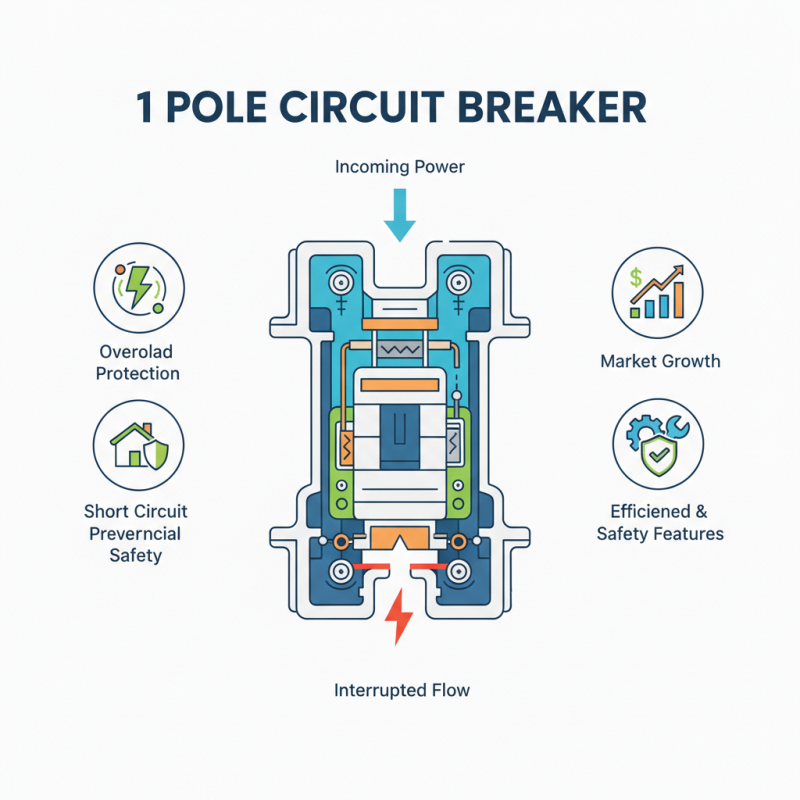
Definition and Purpose of a 1 Pole Circuit Breaker
A 1 pole circuit breaker is a crucial component in electrical systems. Its main purpose is to protect electrical circuits from overload and short circuits. This device disrupts the electrical flow when it detects faults, preventing potential damage. According to industry reports, nearly 70% of electrical failures are due to overloads. This has led to increased demand for reliable circuit protection.
When it trips, it interrupts the current quickly, minimizing risks. A typical 1 pole circuit breaker can handle up to 15 to 20 amperes. Users should be aware that improper sizing can lead to nuisance tripping. It's essential to select the right amperage for your specific needs.
Tips: Always consult a professional for installation. Regular maintenance checks can enhance safety. Be mindful of the breaker’s rating, as using a higher capacity can mask underlying issues. A faulty breaker may indicate deeper electrical problems. Always prioritize safety and ensure that your system is adequately protected.
1 Pole Circuit Breaker Load Current Ratings
This chart illustrates the number of installations of various load current ratings for 1 pole circuit breakers. The ratings range from 15A to 40A, highlighting the distribution of installations across these common ratings.
Components of a 1 Pole Circuit Breaker
A 1 pole circuit breaker is a crucial component in electrical systems. Its primary role is to protect circuits from overloading and short circuits. It automatically disconnects the electrical supply when it detects anomalies. Understanding its components helps in grasping its operation.
The main components include the switch, bimetallic strip, and trip mechanism. The switch allows users to turn the circuit on or off. The bimetallic strip bends under heat, causing the breaker to trip. This strip is sensitive; a minor overload can trigger it. The trip mechanism releases the switch when needed. It’s vital for safety.
However, even these components can fail. Aging or poor installation may lead to malfunctions. Regular checks are necessary to ensure reliability. Understanding each part prepares you for potential issues. Small details matter in safety mechanisms. Ensuring proper function can save lives. It’s easy to overlook, but vigilance is essential.
Working Mechanism of a 1 Pole Circuit Breaker
A 1 Pole Circuit Breaker is a crucial device in electrical systems. It is designed to interrupt the flow of electricity in one phase. When a fault occurs, it reacts quickly to prevent damage. The core mechanism involves a simple spring-loaded switch. This switch opens and closes the circuit, ensuring safety.
When the current exceeds the rated limit, the circuit breaker trips. This happens due to a thermal or magnetic mechanism. The thermal mechanism reacts to heat. The magnetic mechanism works instantly for short circuits. Both these functions work together for safety.
Tips: Always check the ratings before installation. Ensure it matches your load requirements. Incorrect ratings may lead to inefficient operation. Inspect regularly for any signs of wear. Don't overlook small issues; they can become big problems.
A 1 Pole Circuit Breaker is simple yet vital. However, installation mistakes can lead to failures. Consider your electrical environment. It may require more than one breaker. Reflect on your system’s complexity and plan accordingly.
Applications and Use Cases of 1 Pole Circuit Breakers
1 Pole Circuit Breakers are essential components in electrical systems. They protect circuits from overloads and short circuits. Their applications extend across various settings, including homes, offices, and industrial environments. They are commonly used to safeguard lighting, outlets, and small appliances.
In residential settings, 1 Pole Circuit Breakers can control specific circuits for lights or outlets. They help prevent damage from electrical faults. For example, if there's a power surge, these breakers will trip. By doing so, they stop current flow and reduce the risk of fire.
Tip: Always ensure a circuit breaker is compatible with your appliances. Using the wrong type can lead to inadequate protection. In industrial applications, 1 Pole Circuit Breakers offer protection for machinery and equipment. However, they may not be suitable for high-power devices. Always assess the specific needs of your system. Understanding your electrical layout improves safety and efficiency.
What is a 1 Pole Circuit Breaker and How Does it Work? - Applications and Use Cases of 1 Pole Circuit Breakers
| Application | Use Case | Current Rating (Amps) | Voltage Rating (Volts) |
| Residential Lighting | Protecting circuits for home lighting | 15 | 120 |
| HVAC Systems | Protection of heating and cooling systems | 20 | 240 |
| Power Tools | Overcurrent protection for portable tools | 20 | 120 |
| Electric Water Heater | Dedicated circuit for water heating | 30 | 240 |
| Refrigerators | Protection against electrical overloads for refrigerators | 15 | 120 |
Maintenance and Troubleshooting for 1 Pole Circuit Breakers
Maintaining a 1 pole circuit breaker is vital for safety and efficiency. Regular inspection can prevent unexpected downtimes. Look for signs of wear or scorch marks. These can indicate overheating. A simple visual check can save you trouble later. If you notice any unusual noises, it could also mean something is off. Don’t ignore it.
Troubleshooting often starts with resetting the breaker. If it trips repeatedly, there’s likely a deeper issue. Check for overloaded circuits or faulty devices. Sometimes, just plugging in too many appliances can stretch capacity. It’s essential to assess your load. If everything seems normal yet the breaker still trips, professional inspection may be necessary. Ignoring persistent problems may lead to more costly repairs down the line. Regular maintenance prevents these issues and ensures your safety.