2026 Best Stainless Steel Floor Drain Options for Your Needs?
In today's modern bathrooms and kitchens, the choice of a Stainless Steel Floor Drain is essential. According to a market report by Research and Markets, the global floor drain market is projected to grow at a CAGR of 5.2% from 2021 to 2026. Stainless steel options are gaining popularity due to their durability and corrosion resistance. These drains are not only functional but also add a sleek look to any space.
Choosing the right Stainless Steel Floor Drain can be overwhelming. There are multiple designs and features to consider, including drainage capacity and ease of installation. Although they are generally reliable, some products may not meet the expected quality standards. Consumer reviews highlight the importance of researching brands before making a purchase.
Investing in a high-quality Stainless Steel Floor Drain can save money in the long run. Poor drainage systems can lead to water damage, mold growth, and costly repairs. It’s crucial to reflect on your individual needs and the specific environment where the drain will be installed. In 2026, a proficient choice is vital for both functionality and aesthetics.
Top Features to Consider When Choosing Stainless Steel Floor Drains
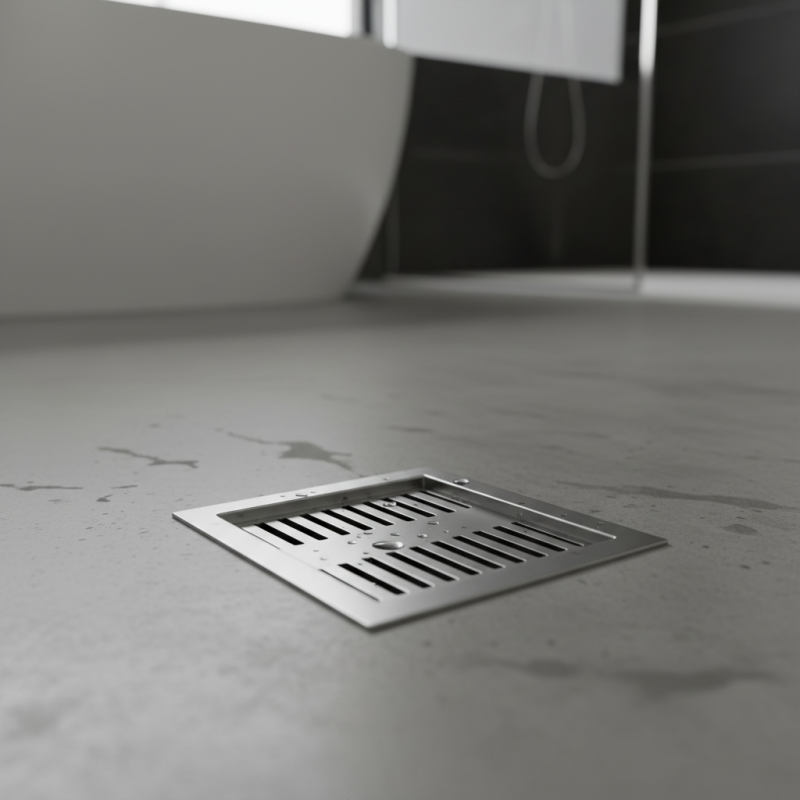
Choosing the right stainless steel floor drain is crucial for any space. A good drain prevents clogging and damage. Look for models with durable construction. High corrosion resistance is essential. It helps ensure longevity, especially in wet areas.
Design matters. A sleek, low-profile drain blends well with various flooring types. Be mindful of the grate design as well. Some designs trap debris better than others. Ease of cleaning cannot be overlooked. A drain that’s difficult to maintain can become a hassle.
Finally, size plays an important role. Ensure the drain fits your specific needs. An oversize drain might look awkward. Conversely, a small drain might not handle water flow efficiently. Balance is key when making your choice. Take your time. The right drain can enhance both functionality and aesthetics in your home.
Different Types of Stainless Steel Floor Drains and Their Applications
When considering stainless steel floor drains, it's essential to understand the variety of options available. There are several types, each suited for different applications. Grate drains, for example, are often used in residential spaces, providing effective drainage in showers and kitchens. Their simple design facilitates easy cleaning and maintenance. In contrast, channel drains are preferred in commercial settings, efficiently managing larger volumes of water. According to industry reports, approximately 65% of water-related issues stem from poor drainage systems.
Another option is the trap drain, commonly used in basements and laundry rooms. They prevent odors and allow water to flow without blockage. On average, these drains can handle around 15 gallons per minute, demonstrating their capacity for heavy usage. Yet, improper installation can lead to complications like slow draining, requiring costly repairs. Regular maintenance is necessary to ensure optimal performance and lifespan.
Understanding the intended use of a floor drain is vital. Not all drains are created equal, and choosing the right type can enhance functionality. Studies show that an estimated 30% of drain failures result from inadequate planning and installation. It’s crucial to consider your space, water flow, and potential debris when making a selection. Each different type serves a unique purpose, and your decision can greatly affect drainage efficiency.
2026 Best Stainless Steel Floor Drain Options
This chart represents the popularity rating of different types of stainless steel floor drains in 2026, based on their applications and user preferences.
Maintenance Tips for Prolonging the Life of Your Stainless Steel Floor Drain
Maintaining your stainless steel floor drain is crucial for its longevity and performance. Regular cleaning can prevent clogs and unpleasant odors, which often develop due to debris buildup. According to a study by the Plumbing Manufacturers International, nearly 30% of drainage issues stem from improper maintenance. Removing hair, soap residue, and food particles every few weeks can significantly reduce the risk of blockages.
Using a mild detergent and a soft brush can effectively clean the drain without causing damage. Avoid harsh chemicals, as they can lead to corrosion over time. Research shows that stainless steel drains have a lifespan of up to 20 years with proper care. This might sound impressive, yet many homeowners fail to implement basic maintenance routines.
Consider inspecting your drain regularly for signs of rust or tarnishing. Any discoloration might indicate underlying issues. Even with preventive care, someone might overlook the need for routine checks, leading to unexpected repairs. Keeping a maintenance schedule can help catch these issues early. Remember, an overlooked drain can lead to costly plumbing repairs and inconveniences. Implementing a few simple tasks can enhance the functionality and lifespan of your stainless steel floor drain considerably.
Comparative Analysis of Popular Stainless Steel Floor Drain Brands
When investigating the stainless steel floor drain market, it’s crucial to understand the various options available. According to industry reports, the global floor drain market is projected to grow at a rate of 5.6% annually through 2026. This growth signals an increasing need for reliable drainage solutions in both residential and commercial sectors.
Key factors distinguish popular brands. Durability and corrosion resistance are essential. Stainless steel drains must withstand harsh environments. Experts note that thickness and finish matter. A thicker gauge typically indicates increased longevity. High-grade finishes can resist stains and scratches, significantly extending the product's life. A study indicated that drains with a 304 and 316 stainless steel composition hold up better against moisture and chemical exposure.
Cost remains a critical consideration. While cheaper options may be tempting, they often lack quality assurances. Not all affordable products will perform well long-term. This raises questions about cost-effectiveness for consumers. Investing in a more reliable option may save money on maintenance and replacements down the line. Evaluating warranties and customer feedback can provide insights. Careful research is essential to ensure quality meets expectations in this competitive market.
2026 Best Stainless Steel Floor Drain Options for Your Needs
| Model | Material | Dimensions (mm) | Flow Rate (L/min) | Price (USD) | Warranty (Years) |
| Model A | 304 Stainless Steel | 100 x 100 | 50 | 29.99 | 3 |
| Model B | 316 Stainless Steel | 150 x 150 | 60 | 34.99 | 5 |
| Model C | 201 Stainless Steel | 75 x 75 | 45 | 19.99 | 2 |
| Model D | 304 Stainless Steel | 100 x 150 | 70 | 39.99 | 4 |
| Model E | 316 Stainless Steel | 200 x 200 | 80 | 49.99 | 6 |
Installation Guidelines for Optimal Functionality of Floor Drains
When installing steel floor drains, attention to detail is key for optimal functionality. Properly positioned drains enhance water flow and reduce the risk of clogs. Professional reports show that poorly installed drains can lead to system failures, costing homeowners thousands in repairs. Therefore, understanding the correct installation process is essential.
Ensure that the drain is pitched correctly. A slope of at least 1% is often recommended to facilitate water drainage. This can prevent standing water, which is a breeding ground for mold. Use high-quality silicone sealant to create a water-tight seal. This can minimize leaks that cause structural damage over time.
Tips for installation: A level is crucial to ensure the slope is adequate. Check for compatibility with your floor type. Additionally, consider adding a strainer to catch debris. Regular maintenance is important too. Cleaning the drains every few months can prevent buildup and ensure long-lasting performance. Knowing when to clean and how to handle minor blockages can save time and stress. Taking these steps can lead to better long-term functionality.