What is Aluminothermic Welding Kits and Their Benefits?
Aluminothermic Welding Kits are essential tools in various industries. These kits leverage a thermite reaction to produce molten metal for welding. This process is widely used in railway construction, where strong, durable joints are required for heavy loads. According to a report by the International Energy Agency, the global demand for effective welding solutions has increased by 25% over the past five years.
The advantages of Aluminothermic Welding Kits include their portability and efficiency. They can be used in remote locations without the need for bulky equipment. Additionally, the kits offer quick setup times, allowing for rapid repairs and assembly. However, while they are powerful, improper use can lead to safety hazards. Understanding the proper techniques is crucial for maximizing their benefits.
In light of evolving industry standards, these kits represent a balance between innovation and reliability. Their ability to create strong, lasting bonds makes them invaluable. Still, users must remain vigilant and educated about potential inefficiencies and proceedings. Leveraging the strengths of Aluminothermic Welding Kits will ensure both safety and quality in welding operations.
What is Aluminothermic Welding?
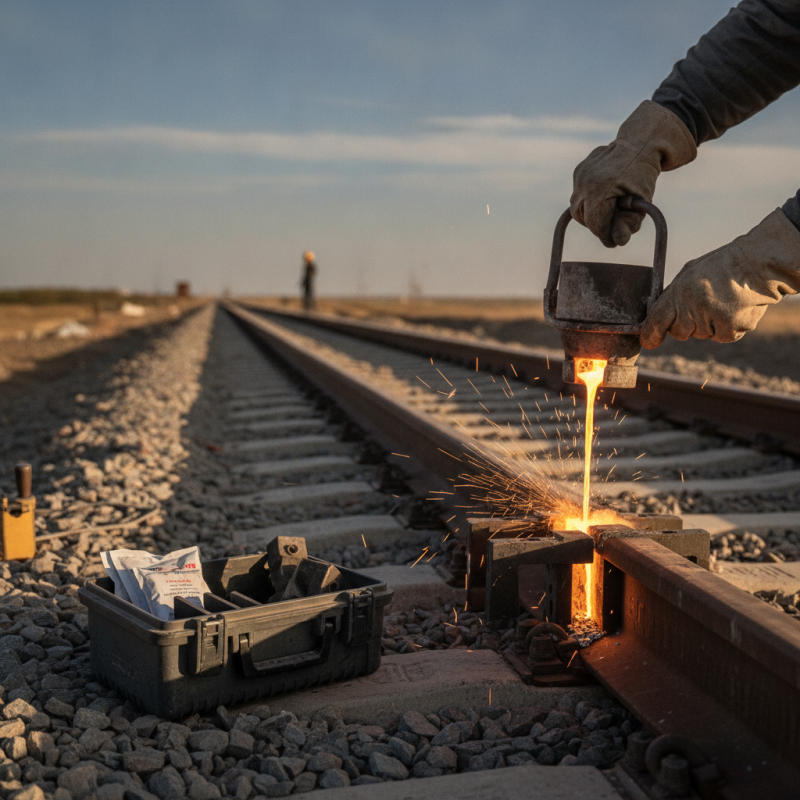
Aluminothermic welding is a specialized technique commonly used in railway, civil engineering, and heavy construction. This process involves the chemical reaction between aluminum powder and metal oxides. The high heat generated from this reaction melts the metals, allowing them to fuse together. Unlike conventional welding, aluminothermic methods often require no external power source. This can be a significant advantage in remote locations.
One of the standout features of aluminothermic welding is its portability. Welders can easily transport the necessary kits to job sites without requiring extensive equipment. The process is also known for creating durable joints. However, one must be cautious with the setup. Poor preparation can lead to inconsistent results. The user must have a clear understanding of the materials being welded and the proper techniques to ensure safety and effectiveness.
Another aspect to consider is the environmental impact. While the method is efficient, sourcing the materials can sometimes be linked to ecological concerns. It's essential for practitioners to reflect on these elements. Better practices can lead to more sustainable outcomes without sacrificing the reliability of the welds produced. Knowledge and experience play a crucial role, guiding welders to make informed decisions throughout the process.
The Process of Aluminothermic Welding
Aluminothermic welding is a fascinating process that combines metal powders to create strong bonds. This technique relies on a chemical reaction between aluminum and metal oxides, producing molten metal. The process begins with placing metal oxide materials in a mold, followed by adding aluminum powder. When ignited, the reaction generates intense heat and melts the materials, allowing them to fuse together seamlessly.
Aluminothermic welding is beneficial for several reasons. It provides excellent strength and durability. The welds resist corrosion, making them ideal for outdoor applications. Additionally, this method is portable and requires minimal equipment. Environments where traditional welding may not be possible are perfect for aluminothermic welding.
**Tips:** Always ensure you have protective gear during the process. Safety goggles and gloves are essential. This method can be sensitive to environmental conditions. Extreme temperatures might affect the reaction. Be mindful of the workspace to avoid spills and accidents. Understanding these elements can lead to better outcomes in welding projects, enhancing both the weld quality and safety.
Aluminothermic Welding Kits - Benefits and Usage Metrics
Key Components of Aluminothermic Welding Kits
Aluminothermic welding kits are essential tools used in metalworking processes. These kits ensure reliable and efficient welding. Understanding their key components can help you appreciate their applications.
One vital component is the aluminothermic reaction powder. This powder ignites and generates high temperatures. The heat produced melts the metal, creating strong bonds. Another critical part is the mold, which shapes the welded metal. Proper mold design ensures a seamless fit for the workpieces. The safety equipment included in the kit is equally important. It protects users from high temperatures and sparks.
However, it's important to note that using these kits requires careful handling. Mismanagement can lead to hazardous situations. Regular training is necessary for operators. They need to understand the risks and safety precautions involved in this process. Continuous learning improves skillsets and enhances safety measures. Through this, users can achieve better results while minimizing accidents.
Advantages of Using Aluminothermic Welding Kits
Aluminothermic welding kits offer a unique approach to join metals, often used in heavy-duty applications like rail track welding. The process utilizes a chemical reaction to generate heat. This method can produce high-quality welds that are resistant to fatigue and stress, making it ideal for demanding environments.
One significant advantage of aluminothermic welding is its portability. Unlike traditional welding methods, these kits are compact and can be used in remote locations without the need for electric power. A study by the American Welding Society noted that portability is vital for maintenance work, especially in rail and construction sectors. Additionally, aluminothermic welding does not rely on external gases or electricity, enhancing its reliability during onsite operations.
Efficiency is another key benefit. The process can complete welds in just a few minutes, saving valuable time on projects. Reports indicate that these kits can reduce weld times by up to 50% compared to conventional methods. However, users must be trained to handle the materials and processes effectively. A lack of experience can lead to poor-quality welds. Proper training ensures safety and efficiency, which are critical in this industry.
Common Applications of Aluminothermic Welding
Aluminothermic welding is widely used in various industries due to its effectiveness and reliability. This method creates strong bonds through high-temperature reactions between aluminum and metal oxides. One of the notable applications is in railway tracks. According to industry reports, over 60% of new railway constructions utilize aluminothermic welding. This technique ensures a seamless joint, which significantly enhances the structural integrity of the tracks.
Another common application is in the construction of pipelines. Aluminothermic welding provides a robust solution for joining dissimilar metals. The oil and gas sector particularly benefits from this process, as pipelines transport resources over long distances. Reports indicate that over 30% of pipeline constructions employ this welding technique. It withstands harsh environmental conditions, making it vital for reliability.
However, challenges remain. The skill required for operation can be a barrier to consistent quality. Moreover, safety precautions are crucial due to the extreme heat and molten metal involved. Addressing these issues is vital for improving application outcomes. Industry professionals emphasize the need for regular training to enhance worker proficiency. The balance between benefits and challenges defines the evolution of aluminothermic welding in modern applications.