What are the Benefits of Microinverter Solar Off Grid Systems?
As the world shifts toward sustainable energy, microinverter solar off grid systems are gaining attention. Renowned solar energy expert Dr. Emily Carter emphasizes their value: "Microinverters enhance efficiency and energy independence." This sentiment reflects the growing interest in small-scale, self-sufficient solar solutions.
These systems allow users to harness solar power without being tied to the grid. They offer advantages like increased energy efficiency and improved performance in shaded areas. Homeowners can enjoy reduced electricity bills and greater control over their energy sources. However, they also come with challenges. The initial investment may be higher than traditional systems, prompting a need for careful financial planning.
Moreover, microinverter solar off grid systems require regular maintenance and monitoring. Users must assess whether they are ready for this commitment. While there are clear benefits, it is essential to reflect on personal energy needs and lifestyle choices. This technology could empower individuals and communities, but it also demands responsibility and engagement.
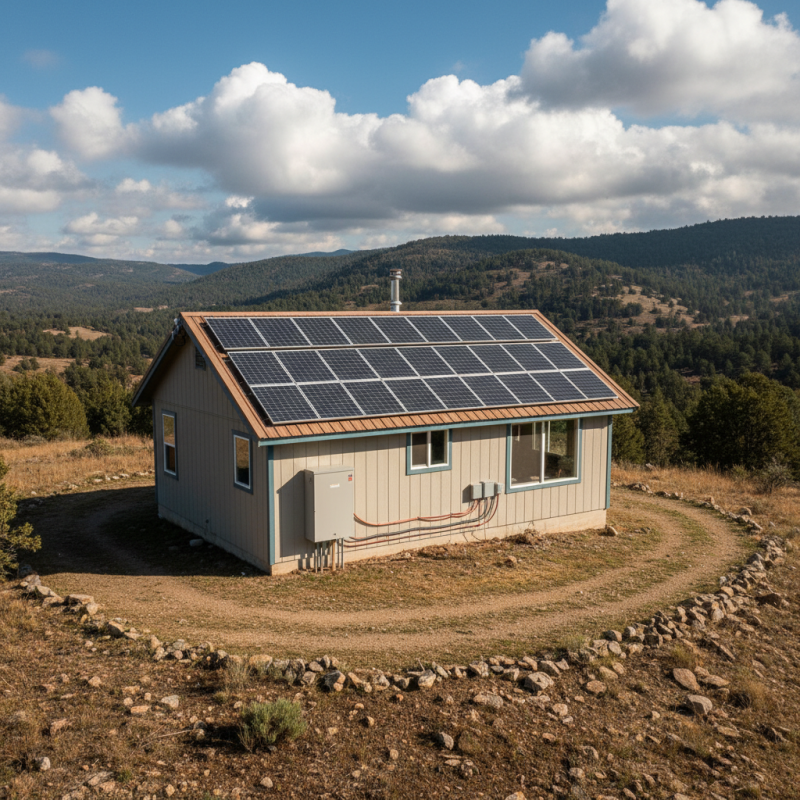
Benefits of Microinverter Solar Off Grid Systems for Energy Independence
Microinverter solar off-grid systems offer significant benefits for energy independence. These systems convert solar energy at each panel. This increases the overall efficiency. According to a report from the National Renewable Energy Laboratory, microinverters can boost energy production by 20% compared to traditional systems. Their ability to optimize performance under varying conditions is vital.
A key advantage is their modular nature. Homeowners can scale their systems more easily. If energy needs grow, it's simple to add more panels. This flexibility can be crucial as energy demands fluctuate. The average family could save thousands on electricity bills over time.
While these systems present clear advantages, there are some challenges. Installation can be more complex. Initial costs are higher than traditional systems. Not all homes may be suited for this setup. A thorough evaluation is necessary. The benefits often outweigh the concerns, but careful planning is essential for optimal performance.
Enhanced Energy Efficiency with Microinverter Technology in Solar Systems
Microinverter technology has transformed solar energy systems. With microinverters, each solar panel operates independently. This boosts energy efficiency significantly. If one panel underperforms, the others still function optimally. This design maximizes overall energy output.
Enhanced energy efficiency doesn’t just mean more power. It also leads to better performance in shaded conditions. Microinverters minimize losses from shading or dirt. They adapt to varying weather conditions effectively. As sunlight changes, these systems adjust instantly. The result? More consistent energy generation throughout the day.
Installation can be a bit complex. Homeowners should consider skilled professionals. They must understand unique system needs. Regular maintenance is crucial, too. Monitoring performance may reveal unexpected issues. Embracing microinverter technology can be rewarding, but it requires careful planning and awareness. Each installation is an opportunity for improvement.
Cost Savings from Reduced Installation and Maintenance in Off-Grid Solutions
Microinverter solar off-grid systems are becoming increasingly popular. They offer significant cost savings, especially regarding installation and maintenance. Each microinverter operates independently. This allows for quicker installation because less wiring is needed. Technicians can save time, which translates directly into lower labor costs.
Maintenance is simplified as well. With fewer components to manage, the systems require less ongoing attention. If a single microinverter fails, the impact is limited. This contrasts with traditional systems, where the entire array might be affected. Fewer interruptions mean less downtime, which can help maximize energy harvesting.
Despite these benefits, there can be challenges. The initial decision to switch might feel daunting. Some may worry about the reliability of newer technologies. Additionally, the complexity of having multiple components could lead to confusion. It's crucial to weigh the pros and cons before making a choice. Understanding your specific needs will guide you to the right solution.
Flexibility and Scalability of Microinverter Systems for Renewable Energy Needs
Microinverter solar off-grid systems offer unique flexibility and scalability for renewable energy needs. Each microinverter connects to one solar panel. This setup allows easy expansion as energy demands grow. If you install more panels, you can add more microinverters. There’s no need for a complete overhaul of your system.
Tips: Start small. If you are new to solar energy, consider a few panels first. This way, you can see how your energy needs change over time. You might find areas where you need more power. Adjust your system accordingly.
Microinverters also perform better in shaded environments. If your roof has obstacles, this can be a significant advantage. However, not everyone takes this into account. People often overlook the impact of shading. Evaluating your space carefully can lead to better performance. The wrong choice might limit your energy production.
Improved Reliability and Performance Monitoring of Off-Grid Solar Arrays
Microinverter solar off-grid systems provide a unique advantage in terms of reliability. These systems convert solar energy at the panel level. Individual panels operate independently, enhancing overall performance. If one panel faces shade or malfunction, the others continue to function optimally. This decentralized approach minimizes energy loss and boosts efficiency.
Moreover, performance monitoring becomes seamless with microinverters. Each panel’s output can be tracked individually. Homeowners can easily identify underperforming panels. This real-time data helps in making timely maintenance decisions. However, monitoring systems might not always be user-friendly. Some users may struggle with data interpretation. Regular training could help resolve these issues.
The ability to monitor performance closely leads to improved energy management. Users can adjust energy consumption based on real-time output. This feature may encourage better energy habits. Though sometimes, network connectivity issues can hinder monitoring. Users must be aware of these challenges to maximize their systems' reliability. Overall, microinverters significantly enhance the performance and monitoring of off-grid solar arrays, while also presenting areas for improvement.
Benefits of Microinverter Solar Off Grid Systems
| Benefit | Description | Impact |
| Improved Reliability | Microinverters operate independently, which helps to prevent the entire system failure in case one unit underperforms. | Increased overall energy production and reduced downtime. |
| Performance Monitoring | Allows real-time performance tracking of each solar panel, making it easier to detect issues promptly. | Quick problem resolution and optimization of energy output. |
| Higher Energy Harvesting | Microinverters maximize the energy harnessed from each panel regardless of shading or orientation. | Improved energy yield, especially in complex installations. |
| Simpler Installation | Easier to install compared to string inverters, with less wiring complexity. | Reduced labor costs and shorter installation times. |
| Scalability | Easily expandable as additional panels can be added without major system redesign. | Flexible growth options tailored to energy needs. |