China Best Brass Die Casting Solutions for Global Buyers?
In today’s global market, sourcing quality Brass Die Casting solutions is crucial for manufacturers. China stands out as a key player, offering a range of options for buyers worldwide. The brass die casting process is known for its precision and durability. Companies can achieve complex designs and high-quality finishes, which are essential for various applications.
However, not all suppliers meet the same standards. It’s vital to evaluate potential partners based on their experience and expertise. Many Chinese manufacturers have a solid track record, yet some may lack the reliability that buyers seek. Investigating their production capabilities and quality assurance processes is essential.
Understanding the nuances of brass die casting will help buyers make informed decisions. Attention to detail in the casting process can significantly impact the final product. Recognizing the importance of these factors ensures that companies not only receive products that meet specifications but also foster long-term partnerships that enhance operational efficiency.
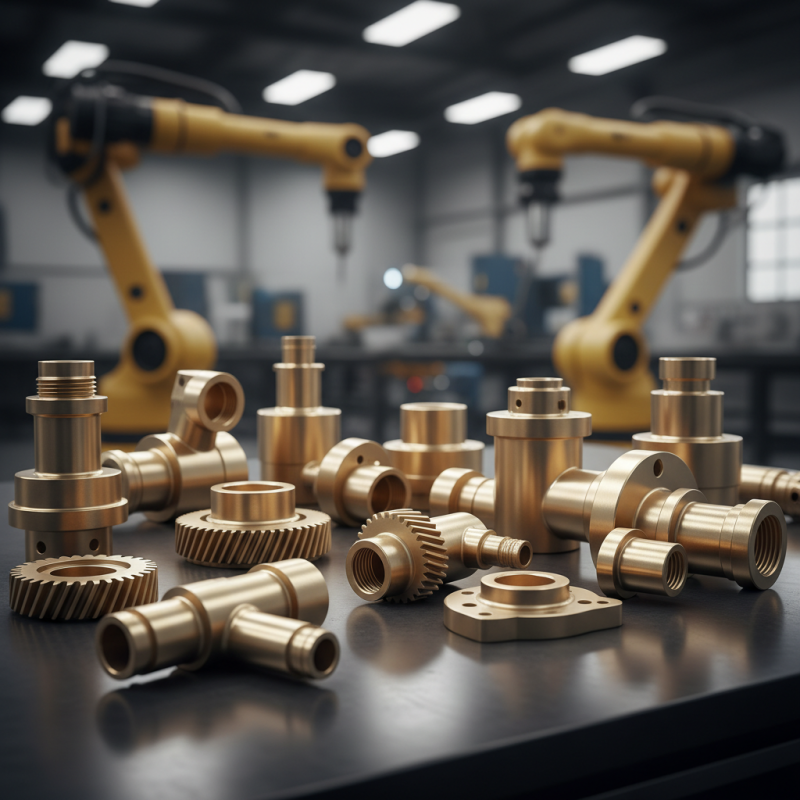
China's Dominance in the Global Brass Die Casting Market
China has established itself as a leading player in the global brass die casting market. Recent reports indicate that China's share in the die casting industry is approximately 30%, making it a significant contributor to global production. The country’s strong manufacturing capabilities, combined with advanced technologies, have played a pivotal role in this ascent.
The Chinese brass die casting sector is known for its ability to produce high-quality components at competitive prices. The average cost of brass die castings in China is 15-20% lower compared to regions like North America and Europe. This cost efficiency, coupled with a skilled workforce, enhances China’s appeal to global buyers. However, the industry faces challenges, including environmental concerns and fluctuating raw material prices. These factors require continuous improvement and innovation to remain competitive.
Moreover, the demand for brass die casting parts is growing steadily. Markets like automotive and electronics heavily rely on these components. Analysts predict a compound annual growth rate (CAGR) of 4% in this sector over the next five years. Despite these optimistic projections, some manufacturers must foster better sustainability practices. Addressing environmental impacts is crucial for long-term success in the global arena.
Key Specifications and Standards for Brass Die Casting Products
Brass die casting products require adherence to specific specifications and standards. Precision is essential. Designs must accommodate features like complex shapes and high durability. Both aesthetics and functionality are crucial in the production process. Materials used should meet certain grade levels for optimum performance. Quality assurance processes play a significant role in maintaining these standards.
The specifications include dimensional accuracy and surface finish quality. Thickness limitations in casting can affect the structural integrity of the final product. It’s vital that manufacturers pay attention to these elements during production. Understanding the importance of these specifications is vital for global buyers. What works well in one market may not meet the standards in another, highlighting the need for thorough research.
Testing methods also vary. Many companies use non-destructive testing to ensure product reliability. However, not all manufacturers employ the same rigorous testing protocols. This inconsistency can lead to potential risks. Global buyers should remain vigilant and choose suppliers who prioritize quality control and adherence to international standards.
Cost-Effectiveness: Comparing China’s Brass Die Casting with Global Rivals
When comparing brass die casting solutions, China stands out for its cost-effectiveness. The competitive pricing is one of the key attractions for global buyers. With lower labor costs and efficient manufacturing processes, Chinese factories can offer significant savings. This is appealing for companies looking to reduce production expenses without compromising quality.
However, buyers should be cautious. The quality of materials and the attention to detail can vary. Some manufacturers prioritize speed over quality, leading to potential issues in the final product. Therefore, thorough supplier research is crucial. Understanding the capabilities of a foundry ensures that the buyer receives reliable and consistent products.
Certification and compliance with international standards also play a significant role. Not all Chinese manufacturers adhere to the same quality control measures. A focus on establishing relationships with reputable firms can lead to better outcomes. Ultimately, the decision involves balancing cost and quality to ensure long-term success.
Technological Innovations in China's Brass Die Casting Industry
China's brass die casting industry has undergone significant technological innovations. These advancements have positioned China as a leader in the global market. Recent studies indicate that the industry has grown at a compound annual growth rate (CAGR) of around 6.5% over the past five years. This growth is fueled by the rising demand for lightweight and durable components in various sectors.
Innovative techniques, such as automated casting processes and advanced alloy compositions, enhance production efficiency. Data shows that manufacturers are now achieving up to 90% yield rates, minimizing waste. However, the industry still faces challenges, including energy consumption and environmental impact of production processes. Addressing these issues is crucial for sustainable growth.
Tips: Choosing die casting solutions? Assess the supplier's technology and efficiency metrics. Verify their ability to adapt to changing market needs. Additionally, engaging in continuous improvement practices will ensure your solutions remain competitive.
Investing in R&D can lead to breakthroughs in die casting materials and processes. This focus is vital for companies looking to enhance product quality and reduce costs. Engaging in partnerships with tech firms might also foster innovation.
Sustainability Practices in China's Brass Die Casting Solutions
Brass die casting has evolved significantly in China, especially regarding sustainability. Recycling scrap metal is now a common practice. Many manufacturers are focused on minimizing waste and reducing energy consumption. Their efforts contribute to a healthier environment and showcase their commitment to sustainable manufacturing.
Another prominent aspect is the use of eco-friendly materials. Some factories are exploring alternatives to traditional casting methods. This shift often includes investing in advanced technologies to reduce emissions. Despite these efforts, challenges remain. Not every facility adheres strictly to sustainable practices. Gaps in regulation and compliance can hinder overall progress.
Collaboration among producers is essential. Sharing best practices can lead to improved standards industry-wide. Open dialogues on sustainability are necessary. The journey towards greener solutions is ongoing, with room for improvement. Every effort counts, but it requires constant vigilance and adaptation.
Brass Die Casting Sustainability Practices by Year