Top China Best Cable Manufacturing Machine for Global Buyers?
The global demand for efficient Cable Manufacturing Machines has surged in recent years. According to a report by MarketsandMarkets, the cable manufacturing equipment market is projected to reach $1.5 billion by 2025, growing at a CAGR of 4.2%. This growth is driven by various sectors, including construction, telecommunications, and automotive industries. As these sectors expand, the need for advanced Cable Manufacturing Machines becomes imperative.
In China, several manufacturers lead the industry with innovative technology and cost-effective solutions. Companies like Shanghai Shenjian and Hunan Jinxin offer cutting-edge machines that enhance production speed and quality. However, choosing the right equipment can be challenging. Buyers must consider factors such as machine efficiency, durability, and after-sales support.
While Chinese manufacturers provide competitive options, potential buyers need to tread cautiously. Not all machines meet international quality standards. Buyers should conduct thorough research and seek expert advice before making a decision. This ensures that they invest in machines that not only meet their needs but also adhere to global industry standards.
Overview of Top Cable Manufacturing Machines in China
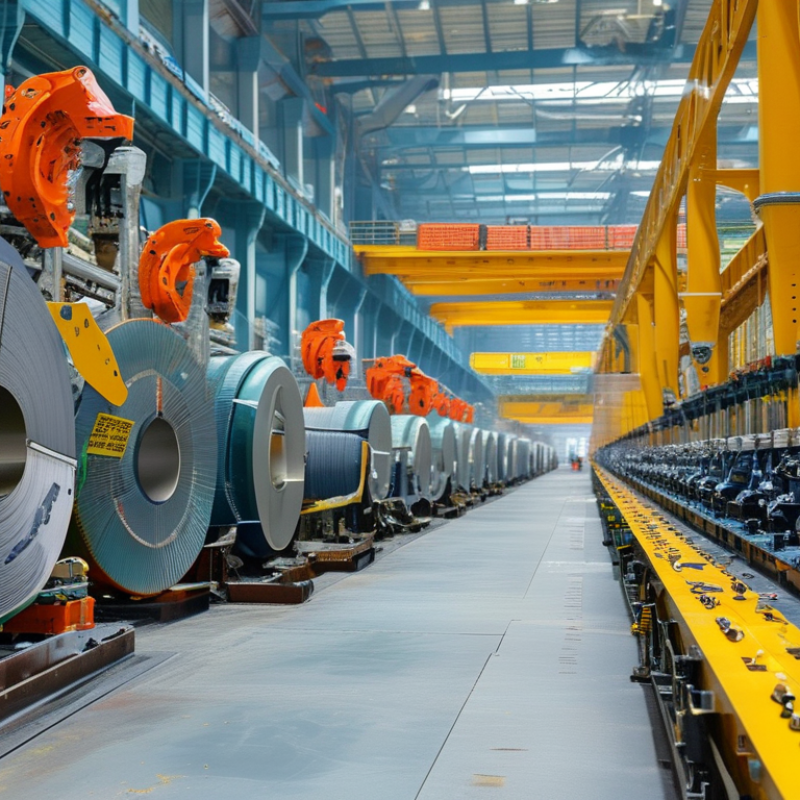
China has become a hub for cable manufacturing machines, attracting global buyers with its advanced technology. The array of machines available ranges from simple extruders to multi-layer cable production lines. Each machine offers unique features, catering to different manufacturing needs. Such diversity allows manufacturers to select machines that align with their production goals.
When investing in cable manufacturing machines, consider the following tips. Always evaluate the technical specifications of the machines. Focus on production speed, energy efficiency, and automation features. These factors can significantly impact your overall productivity and costs. Additionally, paying attention to after-sales support is crucial. Reliable support ensures minimal downtime during production, which can be a costly setback.
Investing in quality machines requires careful consideration. Look for suppliers who provide comprehensive training. Operators must fully understand how to maximize the machine's potential. Misunderstandings can lead to inefficiencies in production. Always remain open to upgrading your equipment as technology evolves. This helps keep your production line competitive and efficient.
Key Manufacturers of Cable Making Equipment in China
China remains a global leader in cable manufacturing, driven by innovation and efficiency. The country’s cable production sector is vital, with a reported output of over 10 million kilometers annually. Key manufacturers in this domain have embraced advanced machinery to enhance quality and reduce production costs. Recent findings from industry reports indicate that automated cable making machines have gained a 30% market share in the last five years.
The top manufacturers focus on high-speed, precision-oriented equipment. These machines are beneficial in meeting increasing global demands. However, there are challenges. Some production facilities struggle with outdated technology. This problem often leads to production inefficiencies. Additionally, quality control remains a pressing issue in various production lines. While many manufacturers have adopted rigorous testing standards, inconsistencies still occur, impacting overall performance.
Experts suggest that further investment in research and development is critical. Improved training for operators can also enhance machinery efficiency. Adapting to technology trends is crucial for maintaining competitiveness. In an ever-evolving market, even established companies must reflect on their strategies and operational practices to avoid stagnation. The cable making equipment sector in China holds promising prospects, with continuous advancements paving the way for future growth.
Top China Best Cable Manufacturing Machine for Global Buyers
| Machine Type | Production Capacity (kg/h) | Power Consumption (kW) | Material Compatibility | Key Features |
| Wire Drawing Machine | 1000 | 50 | Copper, Aluminum | High Efficiency, Compact Design |
| Extrusion Machine | 800 | 75 | PVC, PE, TPU | Intelligent Control System, Easy Maintenance |
| Bunching Machine | 500 | 40 | Multiple Wire Types | High Speed, User-friendly Interface |
| Cable Sheathing Machine | 600 | 65 | Polyethylene, PVC | Versatile Applications, Customizable Specs |
Features to Consider When Choosing Cable Manufacturing Machines
When selecting cable manufacturing machines, several key features warrant close attention. First, consider the machine's throughput rate. A higher throughput will increase productivity. Industry reports indicate that machines with a throughput rate over 2000 meters per hour can significantly enhance efficiency for manufacturers. However, it's essential to balance speed with quality. Fast production can lead to defects, necessitating careful calibration and monitoring.
Additionally, automation features are crucial. Automated systems can reduce labor costs and minimize human errors. Recent studies highlight that facilities utilizing fully automated machines see a 30% reduction in operational costs. Yet, one must evaluate the learning curve associated with automation. Employees may require training to operate advanced machines effectively.
Tips: Always assess the maintenance requirements of the machinery. Some machines may have high upkeep costs that can impact long-term profitability. Process flexibility is another aspect to ponder. Machines that can easily adapt to different cable types can provide better market responsiveness. Flexibility is vital in a dynamic industry but poses challenges in acquiring a single machine that meets all needs.
Advantages of Sourcing Cable Machinery from China
Sourcing cable machinery from China offers distinct advantages for global buyers. The country is known for its advanced manufacturing capabilities. Many factories possess state-of-the-art technology that ensures high efficiency and precision in production. This equipment can meet various specifications, catering to different cable types. Buyers often find competitive pricing in China, which makes it an attractive option.
Collaboration with Chinese manufacturers presents challenges, though. Time zone differences can lead to communication delays. Quality control can vary between suppliers, requiring careful selection. Buyers should ensure they conduct thorough research before making decisions. Establishing strong relationships with suppliers can improve trust and result in better service.
Despite potential hurdles, the benefits often outweigh the risks. Many companies benefit from reduced production costs. The rapid production capabilities facilitate faster go-to-market strategies. These aspects can significantly enhance a buyer's competitive edge in the industry. Investing time to understand the Chinese market can prove advantageous for growing businesses.
Top Cable Manufacturing Machines Production by Country
Trends in the Global Cable Manufacturing Industry
The global cable manufacturing industry is evolving rapidly. As of 2022, the industry was valued at over $187 billion, with expectations to grow at a rate of 4.5% annually. This growth is primarily driven by increasing demand in sectors like construction, automotive, and renewable energy. The push for sustainable energy solutions, such as electric vehicles and solar power, is transforming how manufacturers approach production.
Technological advancements are reshaping production methods. Automation and smart manufacturing techniques are becoming essential. A recent report highlighted that companies integrating automation can boost productivity by 20-30%. However, the shift requires significant investment. Some manufacturers struggle to keep pace with these changes, risking inefficiencies.
Quality control remains critical in this competitive landscape. Detailed inspections and real-time monitoring are essential for maintaining high standards. Companies face challenges in balancing speed and quality. Striking this balance is vital for long-term sustainability. The focus on enhancing manufacturing processes is a priority across the industry. As these trends unfold, adaptability will be crucial for manufacturers aiming to thrive in a dynamic market.