10 Best Fittings and Valves Suppliers Worldwide?

Choosing reliable fittings and valves suppliers is not a simple matter of comparing prices. A supplier may look impressive online, yet fail when a valve faces pressure cycling, corrosive media, or urgent replacement demands. This guide examines ten leading companies worldwide through practical criteria, including material quality, certification, manufacturing experience, testing, delivery capability, and after-sales support.

Joseph M. Juran, a respected quality-management authority in industrial manufacturing, said, “Quality is fitness for use.” That principle remains highly relevant to fittings and valves. A stainless-steel fitting for a clean-water system has different requirements from one handling seawater, steam, or aggressive chemicals. Threads must be precise. Seals must match the service conditions. Documentation must be clear and traceable.

Real projects are rarely perfect. Specifications change. Shipments arrive late. Even experienced buyers can overlook pressure ratings or regional standards. This overview therefore considers both supplier strengths and practical limitations. It looks at product range, engineering support, production capacity, inspection systems, and customer feedback. Some companies excel in large infrastructure projects. Others serve smaller industrial orders with greater flexibility.

The selected suppliers operate across major markets, including North America, Europe, and Asia. Their products may support oil and gas, water treatment, power generation, food processing, construction, and general manufacturing. No ranking can fit every application. A reliable choice depends on actual operating conditions, required standards, budget, and risk tolerance. The best supplier is not always the largest. It is the one that delivers suitable products consistently, communicates honestly, and remains accountable after installation.
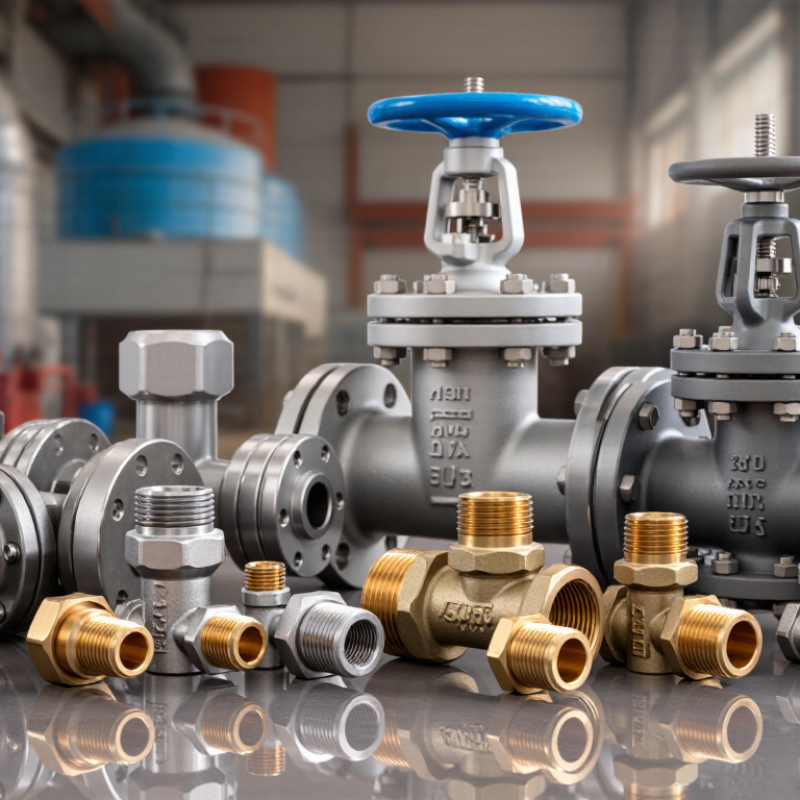
10 Best Fittings and Valves Suppliers Worldwide?

Definition and Role of Fittings and Valves in Fluid Control Systems

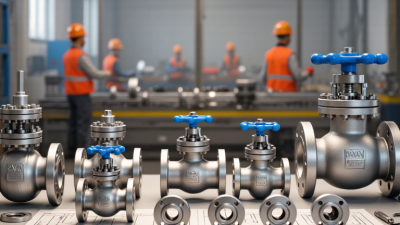
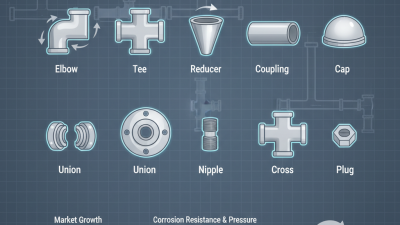
Fittings and valves are the working joints of fluid control systems. Fittings connect pipes, change direction, reduce size, and support maintenance access. Valves regulate, isolate, or redirect liquid and gas flow. Together, they control pressure, velocity, temperature, and system safety.

Their role becomes clearer inside a real pipeline. An elbow turns flow around a tight corner, while a reducer manages changing pipe diameters. A shutoff valve can isolate a damaged section before repairs begin. According to Grand View Research, the global industrial valves market was valued at approximately USD 78.9 billion in 2023. This scale reflects demand from water treatment, energy, chemical processing, and manufacturing facilities. However, market size does not guarantee good selection.

Performance depends on material compatibility, pressure class, temperature range, connection type, and maintenance access. A valve suitable for clean water may fail quickly in abrasive slurry. Small details matter. The World Bank has reported that treated water losses can reach billions of cubic meters annually worldwide, with leakage among the major causes. Poor fittings can contribute through weak seals, vibration, or corrosion. Engineers should verify test standards, flow requirements, and installation conditions instead of trusting catalog ratings alone. Specifications are useful, but they are not perfect. Field conditions often expose gaps in the original design.

Key Criteria for Evaluating Global Fittings and Valves Suppliers

Choosing global fittings and valves suppliers requires more than comparing catalog prices. The real test begins with material traceability, pressure ratings, and manufacturing consistency. Ask for heat numbers, inspection reports, and test records linked to each shipment. A supplier should explain standards clearly, not hide behind certificates. Small details matter. Review how threads, seals, and valve seats perform after repeated cycling. Experience from actual installations often reveals weaknesses that brochures omit.

Evaluate production capability through site audits, independent inspections, and sample testing. Check whether the supplier controls machining tolerances, surface treatment, and final assembly. Confirm that pressure, leakage, and dimensional tests match the intended service. Request evidence from similar industries and operating conditions. One successful project proves little. Speak with technical staff who understand flow, temperature, corrosion, and maintenance constraints. Their answers should be specific, measurable, and easy to verify.

Reliability also includes communication, documentation, and delivery discipline. Compare response times, spare-part access, packaging quality, and procedures for handling nonconforming goods. Total cost matters, but the cheapest fitting may create costly downtime. Review warranty terms carefully. They may sound reassuring, yet exclusions can be broad. A practical scorecard should balance quality, compliance, capacity, service, and financial stability. Reassess suppliers after delivery, because field performance can challenge an impressive prequalification file. No scorecard is perfect. Leave room for evidence, not assumptions.

Ten Leading Fittings and Valves Suppliers Worldwide

Ten Leading Fittings and Valves Suppliers Worldwide

Choosing among the ten leading fittings and valves suppliers worldwide requires more than comparing catalog sizes. Experienced buyers examine material grades, pressure ratings, testing methods, and traceability records. A dependable supplier provides clear certificates and practical installation guidance. Factory visits can reveal machining quality, storage conditions, and inspection discipline. Paperwork alone is not enough.

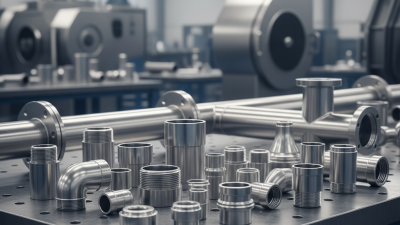
The leading supplier landscape includes manufacturers specializing in stainless steel fittings, carbon steel valves, forged components, sanitary systems, plastic piping, and automated controls. Other strong suppliers focus on cryogenic service, high-pressure energy applications, water treatment, and custom engineering. Their products may serve chemical plants, food facilities, pipelines, shipyards, and municipal networks. Each application demands different sealing materials, temperature limits, and maintenance plans. A supplier experienced in one sector may still struggle with another.

Independent testing and compliance with recognized international standards improve purchasing confidence. However, standards cannot replace field experience. Buyers should review delivery records, spare-parts availability, warranty terms, and technical response times. A technically excellent valve can still create costly delays when replacement parts arrive late. I have seen projects choose lower prices and later pay for redesigns, leakage checks, and emergency labor. That mistake remains easy to repeat. Supplier evaluation should include real operating conditions, not only polished quotations and impressive product photographs.

10 Best Fittings and Valves Suppliers Worldwide? - Ten Leading Fittings and Valves Suppliers Worldwide

This chart presents commonly used ASME valve pressure classes and their nominal pressure ratings at 100°F for carbon-steel valve materials. These standardized specifications help buyers compare technical offerings across international fittings and valves suppliers without ranking individual companies or brands.

Reference: ASME B16.34 pressure-temperature rating basis for carbon-steel valves, approximately 100°F service temperature. Actual allowable pressure depends on material grade, temperature, design, and applicable standards.

Product Range, Industry Expertise, and Global Market Coverage

Choosing among the 10 best fittings and valves suppliers worldwide requires more than comparing prices. A reliable supplier should offer forged and cast fittings, ball, gate, globe, butterfly, and check valves. Actuators, strainers, tube fittings, and custom assemblies also matter. Product depth becomes important when a project faces pressure changes, corrosive fluids, or limited installation space.

Industry expertise separates a catalog seller from a dependable engineering partner. Strong suppliers understand water treatment, energy, chemical processing, food production, marine systems, and high-purity manufacturing. They should provide material certificates, pressure-test reports, dimensional drawings, and traceable batch records. Site experience helps too. A valve that looks suitable on paper may fail after repeated cycling, poor alignment, or unexpected temperature changes.

Global market coverage involves more than shipping products overseas. Local inventory, regional technical teams, multilingual documentation, and dependable spare-part support reduce project delays. Suppliers serving several regions should understand different certification systems and purchasing practices. However, no supplier is perfect. Broad product ranges can hide weak customization or slow engineering responses. Procurement teams should check reference projects, factory quality controls, inspection procedures, and actual delivery performance. Small details matter. A missing gasket or unclear thread specification can stop an entire installation.

10 Best Fittings and Valves Suppliers Worldwide? - Product Range, Industry Expertise, and Global Market Coverage

Comparative overview based on product breadth, engineering capabilities, standards alignment, and international service coverage

Profile Primary Operating Region Core Product Range Key Materials Connection and Pressure Options Industry Expertise Global Market Coverage Common Standards and Certifications Distinctive Strength
Supplier Profile 01 North America Ball, gate, globe, check, butterfly, and control valves; pipe fittings Carbon steel, stainless steel, alloy steel, ductile iron Threaded, socket-weld, butt-weld, flanged; ANSI pressure classes Oil and gas, chemical processing, power generation, water treatment North America, Latin America, Middle East, Asia-Pacific ISO 9001; API, ASME, ASTM, and MSS requirements where applicable Wide industrial valve portfolio and engineered flow-control packages
Supplier Profile 02 Western Europe Industrial valves, sanitary fittings, actuated valves, filtration accessories Stainless steel, nickel alloys, bronze, engineered plastics Flanged, clamp, threaded, wafer, and lug designs Food and beverage, pharmaceutical, biotechnology, water, HVAC Europe, North Africa, Middle East, Asia-Pacific ISO 9001; EN, DIN, ISO, PED, and hygienic design requirements Strong hygienic design and regulatory compliance capability
Supplier Profile 03 East Asia Forged and cast valves, threaded fittings, flanges, pipe nipples Stainless steel, carbon steel, alloy steel, brass Threaded, socket-weld, butt-weld, and flanged connections General industrial, energy, construction, water infrastructure Asia-Pacific, Europe, Middle East, Africa, North America ISO 9001; ASTM, ASME, API, JIS, and DIN specifications High-volume production and broad standard-size availability
Supplier Profile 04 Northern Europe Severe-service valves, cryogenic valves, actuators, control systems Stainless steel, duplex steel, nickel alloys, carbon steel Flanged, welded, wafer, and cryogenic connection designs LNG, offshore energy, hydrogen, chemical processing, power Europe, North America, Middle East, Asia-Pacific ISO 9001; API, ASME, EN, PED, and low-temperature service requirements Advanced engineering for low-temperature and high-integrity service
Supplier Profile 05 South Asia Butt-weld fittings, forged fittings, flanges, industrial valves Carbon steel, stainless steel, alloy steel, duplex steel Socket-weld, threaded, butt-weld, and flanged; multiple pressure ratings Petrochemical, refineries, power, infrastructure, process industries Middle East, Africa, Europe, Southeast Asia, North America ISO 9001; ASTM, ASME, API, and project-specific inspection requirements Competitive fabrication capacity and customization for project orders
Supplier Profile 06 Southern Europe Butterfly, ball, check, knife-gate, and resilient-seated valves Ductile iron, cast iron, stainless steel, carbon steel, elastomers Wafer, lug, flanged, threaded, and grooved options Water and wastewater, irrigation, HVAC, fire protection, mining Europe, North Africa, Middle East, Latin America ISO 9001; EN, ISO, DIN, WRAS, and potable-water requirements where applicable Strong municipal water and infrastructure application knowledge
Supplier Profile 07 Southeast Asia Sanitary valves, hygienic fittings, tube systems, sampling and drain components 316L stainless steel, 304 stainless steel, PTFE, EPDM, silicone Tri-clamp, butt-weld, orbital-weld, and hygienic threaded connections Dairy, food processing, beverage, pharmaceutical, personal care Asia-Pacific, Europe, North America, Middle East ISO 9001; EHEDG, 3-A, FDA-contact material, and sanitary design requirements Hygienic fabrication, surface finishing, and cleanability
Supplier Profile 08 Middle East Pipeline valves, forged fittings, flanges, actuators, and maintenance parts Carbon steel, stainless steel, alloy steel, ductile iron Flanged, butt-weld, socket-weld, threaded, and grooved connections Oil and gas, desalination, utilities, district cooling, petrochemicals Gulf region, North Africa, Central Asia, South Asia ISO 9001; API, ASME, ASTM, NACE, and regional project specifications Regional inventory, project logistics, and harsh-climate support
Supplier Profile 09 Latin America Industrial fittings, butterfly valves, ball valves, check valves, strainers Ductile iron, carbon steel, stainless steel, bronze, PVC and other plastics Flanged, wafer, lug, threaded, solvent-weld, and grooved connections Mining, agriculture, water treatment, pulp and paper, general industry Latin America, North America, Europe, selected African markets ISO 9001; ASME, ASTM, API, ISO, and local water-system requirements Adaptable product selection for regional infrastructure conditions
Supplier Profile 10 Global distribution network Process valves, instrumentation valves, tube fittings, pressure regulators, actuators Stainless steel, brass, carbon steel, nickel alloys, polymers Compression, threaded, flanged, welded, manifold, and instrument connections Instrumentation, chemical, pharmaceutical, semiconductor, energy, laboratory systems North America, Europe, Asia-Pacific, Middle East, Africa, Latin America ISO 9001; ASME, ASTM, ISO, NACE, and application-specific material requirements Technical support, rapid configuration, and broad instrumentation compatibility
Evaluation basis: The profiles represent internationally active supplier types and are compared by product range, material capability, industry specialization, standards alignment, engineering support, and regional market reach. Certification and approval requirements should be verified against the specific product, facility, and project specification.

How to Select the Right Supplier for Your Project Needs

How to Select the Right Supplier for Your Project Needs

Choosing among the 10 best fittings and valves suppliers worldwide requires more than comparing prices. Start with the project medium, pressure, temperature, connection type, and service life. A supplier should provide clear material certificates, dimensional records, pressure-test results, and traceable batch numbers. Relevant standards may include ISO, ASME, API, or EN requirements, depending on the installation location. According to Grand View Research, the global industrial valves market reached approximately USD 78.3 billion in 2023. Its projected growth also suggests rising demand for reliable, efficient flow-control equipment.

Evaluate the supplier’s manufacturing capacity and quality system. Ask about inspection points, non-destructive testing, coating control, and corrective-action procedures. Delivery performance matters too. A low quotation becomes expensive when one missing valve delays commissioning. The World Bank’s Logistics Performance Index shows that logistics reliability strongly affects international supply-chain performance. Request realistic lead times, spare-parts support, warranty terms, and technical assistance. I have found that supplier documents often look complete, yet small exclusions remain unclear. Read every exception carefully.

Tips: Create a technical comparison table before requesting offers. Score compliance, testing, lead time, lifecycle cost, and communication separately. Check references from projects using similar pressure classes and media. Do not accept “equivalent” materials without written approval. A factory audit can reveal practical details, such as storage conditions and calibration habits. No checklist is perfect. Leave room for technical judgment. Review the final selection with operations and maintenance teams, not procurement alone.