Which Geyser Pressure Valve Is Best in 2026?
Choosing the best Geyser Pressure Valve in 2026 is not just a matter of picking the most popular model. The right valve must match your water heater’s pressure rating, connection size, temperature range, and manufacturer requirements. A mismatch can cause persistent dripping, poor pressure control, or unsafe operation. Small details matter. A label on the heater, the valve’s stamped rating, and even the pipe orientation can change which option is suitable.
This guide compares key features to check, including pressure settings, materials, certification, warranty, and ease of maintenance. It also explains why a safety valve should never be selected by price alone. Product availability and standards vary by region, so verify specifications with the heater manual and local requirements before buying. When installation or diagnosis is uncertain, ask a qualified professional to inspect the system. That is the sensible call. A valve that releases water may be responding to a real pressure or temperature issue, not simply failing. We’ll look at practical trade-offs, common warning signs, and questions to ask before choosing. There may not be one universal winner. The best choice is the correctly rated valve for your specific geyser, installed and maintained as its manufacturer recommends.
What a Geyser Pressure Valve Does
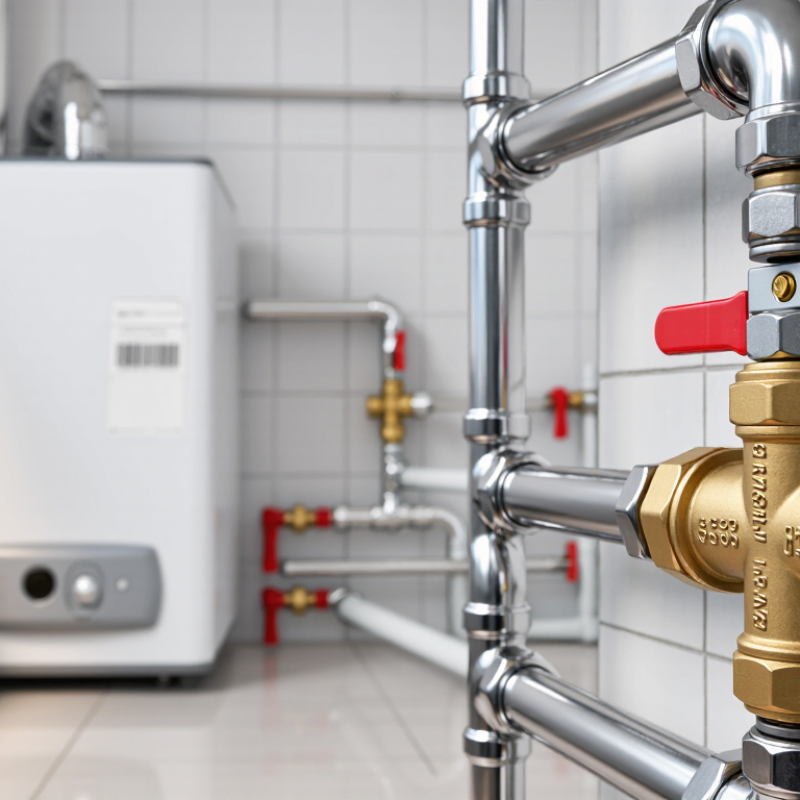
A geyser pressure valve is a safety device, not merely a tap for adjusting water flow. In a closed tank, heating expands the water and can raise pressure. A temperature-and-pressure relief valve opens when either limit is exceeded, releasing hot water through a discharge pipe. It should then close as pressure falls.
A separate pressure-reducing valve controls incoming supply pressure; it does not replace the tank’s relief valve. The distinction matters.
For context, ANSI Z21.22/CSA 4.4 sets requirements for relief valves used with hot-water supply systems. Many residential valves are rated around 150 psi and 210°F, but the geyser’s specification plate and local installation requirements take priority. Check them.
The U.S. Department of Energy’s Energy Saver guidance estimates water heating uses about 18% of household energy, making safe, correctly functioning equipment important beyond comfort.
Keep the discharge outlet unobstructed, and never cap a leaking pipe. A small drip may signal excess pressure, thermal expansion, or a faulty valve; it is not proof of just one problem. Have a qualified technician inspect it, especially if the valve keeps releasing water.
Main Types of Geyser Pressure Valves and Their Functions
A geyser’s pressure valves perform different jobs, even when they sit together on one inlet line. Knowing the difference helps homeowners notice problems and describe them clearly to a qualified plumber. Labels and layouts vary by system, which can make identification confusing.
A temperature-and-pressure relief valve responds when water gets too hot or pressure becomes excessive. It releases water through a dedicated discharge pipe. Never cap it.
A pressure-reducing valve lowers excessive incoming mains pressure, protecting the cylinder and connected plumbing. It does not replace the relief valve.
A non-return valve prevents heated water from flowing backward into the supply. In a closed system, that restriction can contribute to thermal expansion, so the installation may also require an expansion-control valve to release excess pressure.
These valves should be selected and installed according to the geyser’s specifications and local plumbing requirements. A small drip may signal normal expansion or a fault; the cause is not always obvious. A valve can look clean and still fail internally, so appearance alone is not a reliable test. If discharge continues, water is unusually hot, or pressure changes suddenly, avoid adjusting the assembly yourself and arrange a professional inspection.
How Pressure Valve Ratings Affect Safety and Compatibility
A pressure valve’s rating is not a guess about how much pressure a geyser can tolerate. It is a limit set for a specific system. Check the geyser’s data plate and installation manual, then compare their stated pressure requirements with the valve’s marked rating. A valve rated too high may not release pressure when needed. One rated too low may discharge repeatedly during normal operation.
Numbers matter. Read the units carefully: bar and kilopascals are not interchangeable without conversion. Also check the valve’s temperature rating, connection size, and whether it is designed for the geyser’s type of installation. The incoming water pressure can differ from the pressure inside the tank, especially when a pressure-reducing device is present. That detail is easy to miss. A rating alone does not prove compatibility.
In practice, look for clear markings and documentation, not just a valve that appears to fit. Never block or cap its outlet; water may need a safe path to drain. If the markings are unreadable, the manual is missing, or the valve keeps dripping, have a qualified installer check the system. I would not choose by price or appearance alone. The exact match can feel tedious, but it protects both the appliance and the people nearby.
Which Geyser Pressure Valve Is Best in 2026?
Compare pressure values and their approximate psi equivalents. These are unit-conversion reference points, not product recommendations or a ranking of valve settings.
Safety and compatibility: Choose a valve with the pressure rating specified for your geyser and permitted by local requirements. Do not fit a valve rated above the vessel’s limit. Pressure ratings alone do not confirm compatibility; check the valve type, connection, temperature rating, and manufacturer’s instructions. A temperature-and-pressure relief valve’s temperature rating is a separate specification.
Key Factors for Choosing a Geyser Pressure Valve in 2026
Which Geyser Pressure Valve Is Best in 2026?
Key Factors for Choosing a Geyser Pressure Valve in 2026
The best valve is the one specified for your geyser and water system, not simply the heaviest or most expensive-looking option. Check the appliance manual for the required valve type and pressure rating. A higher rating is not automatically safer; an incorrect setting may fail to protect the tank as intended. Fit matters, too. Confirm the connection size and installation orientation before buying.
Hot water puts both pressure and temperature demands on a valve. Choose a unit rated for the conditions it will face, with certification recognized in your area. Make sure its discharge outlet can direct water safely and stays unobstructed. Never cap or block it. Small details matter.
A sturdy metal body can look reassuring, but appearance alone says little about compatibility. Water hardness and sediment may also affect performance over time, so follow the maker’s inspection and replacement guidance. If the rating is unclear or the pipework does not match, ask a qualified installer to check it. A quick fit is not always a correct fit.
How to Match the Best Valve to Your Geyser Setup
Which Geyser Pressure Valve Is Best in 2026?
How to Match the Best Valve to Your Geyser Setup
There is no single best pressure valve for every geyser. Match the valve’s pressure and temperature ratings to the values specified for your heater. Check the inlet size and connection type too; a valve that almost fits is not a safe fit. If you cannot find the appliance rating plate or manual, ask a qualified installer to verify the correct specification. Do not guess.
A pressure relief valve must be able to discharge water safely when pressure or temperature rises beyond its set limit. Keep its outlet clear, and route the discharge pipe as directed by the heater’s instructions and local plumbing requirements. Never cap or block the outlet. If the valve drips repeatedly, the cause may be high supply pressure, thermal expansion, or a worn valve. A drip is not a reason to remove it. I used to think a small leak meant a faulty valve; that assumption can miss a wider system issue.
Tips: Compare the heater rating, valve label, and connection before buying. Check the valve as instructed in the manual. Fit matters. If water keeps escaping, have a qualified professional inspect the system rather than tightening or replacing parts by guesswork.