Best Screws For Outdoor Use Tips You Need to Know?
When it comes to outdoor projects, choosing the right materials is crucial. This is especially true for screws, as they play a vital role in the longevity and durability of your structures. The "Best Screws For Outdoor Use" must withstand various weather conditions. Rust and corrosion can quickly damage inferior screws. With the right screws, your outdoor furniture or decking can last for years.
Selecting outdoor screws requires consideration of several factors. Material type is key; stainless steel and coated screws are often recommended for their resistance. However, not all coatings are equal. A closer look at the warranty and manufacturer’s recommendations can provide valuable insights. It’s a common mistake to assume all screws are created equal. Research and experience suggest that investing time in the right choice pays off significantly.
Many overlook the importance of screw length and gauge. The compatibility with the materials can affect the overall strength of your project. This is where expertise can guide you. Sometimes, trial and error can lead to frustrations. However, understanding the nuances can prevent future headaches. The best screws for outdoor use are not just a purchase; they are a commitment to quality and durability in your outdoor environment.
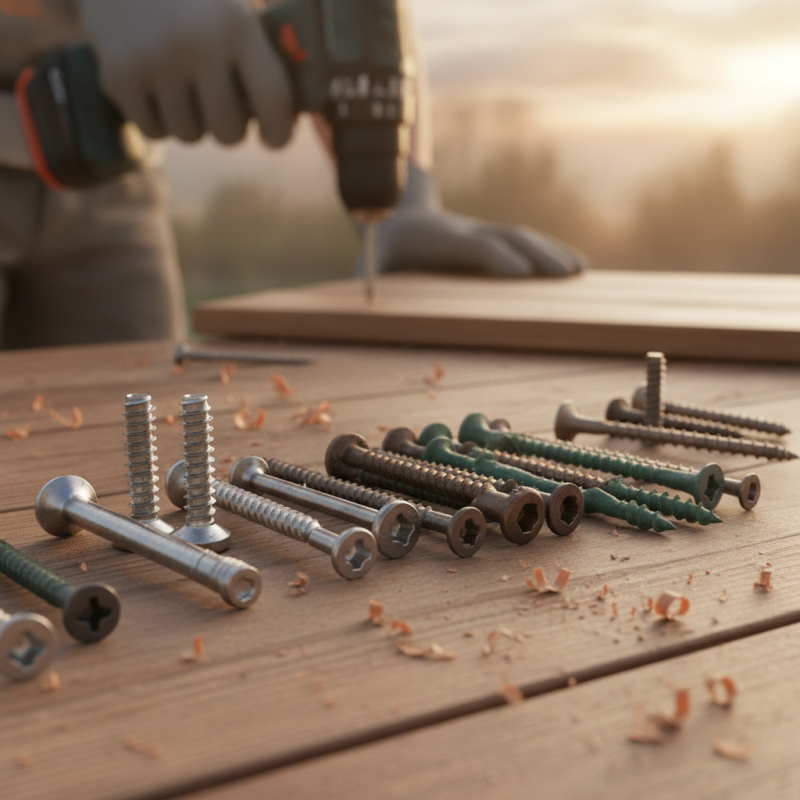
Understanding the Types of Screws Suitable for Outdoor Use
When it comes to outdoor projects, selecting the right screws is crucial. There are several types of screws suitable for outdoor use, each designed for specific materials and conditions. Stainless steel screws are a popular choice due to their resistance to rust and staining. They perform well in humid environments, making them ideal for coastal areas. On the other hand, coated screws, such as those with epoxy or ceramic finishes, can also be effective. They offer decent protection against corrosion, but check the coating's durability.
Choosing the right screw can make a difference. For wood applications, use screws that prevent splitting. Look for options with self-drilling tips. It saves time and effort. Don’t overlook the importance of length and gauge. A screw that is too short may not hold well, while an oversized screw can split the wood.
Here’s a tip: always test screws in a scrap piece first. It helps gauge performance and suitability for your project. Don’t forget to consider the eventual weather conditions and exposure levels. Sometimes, what seems like a perfect choice may not hold up long-term. Being mindful of these details allows for stronger, longer-lasting constructions in outdoor settings.
Factors to Consider When Choosing Outdoor Screws
When selecting screws for outdoor use, several factors must be taken into account. The primary consideration is corrosion resistance. Outdoor environments expose screws to moisture, which leads to rust. According to a report from the American Wood Council, rust can weaken screws by up to 60% over time. Coatings such as stainless steel or galvanized finishes significantly enhance durability in harsh weather conditions.
Another vital aspect is the material of the screws. Different materials react to environmental changes differently. For instance, aluminum screws can corrode in coastal areas due to salt exposure. In contrast, carbon steel screws, though strong, require robust coatings to withstand outdoor conditions. A study by the International Journal of Advanced Manufacturing Technology highlights that using the wrong material can lead to structural failure in outdoor applications.
It is also important to consider the screw design. Options like self-tapping screws facilitate easy installation while minimizing the risk of stripping. A well-designed screw can enhance performance and durability. However, not all designs are created equal. Some may not provide the necessary grip, which can be problematic. Choosing the right screw involves understanding your specific project needs and the local environment. It is a process that demands careful thought and sometimes leads to unexpected challenges.
Common Materials for Outdoor Screws and Their Benefits
When choosing screws for outdoor projects, the material matters greatly. Stainless steel is a popular option due to its corrosion resistance. According to a study by the National Association of Home Builders, stainless steel screws last up to 10 times longer than standard steel when exposed to moisture. This longevity makes them ideal for decks and fencing.
Another common material for outdoor screws is coated steel. This type is often treated to resist rust and wear. The coating acts as a barrier against the elements. However, this protective layer can wear over time. It’s essential to understand that while coated screws are more affordable, they may not offer the same durability as stainless steel.
Additionally, brass screws are sometimes used in outdoor environments. They provide good resistance to corrosion but are not as strong as stainless steel. Their aesthetic appeal makes them suitable for visible areas. However, brass can be more expensive and may not withstand heavy loads. Therefore, considering the specific application and expected exposure to weather can guide your selection process effectively.
Tips for Proper Installation of Outdoor Screws
When installing outdoor screws, preparation is key. Ensure you select screws made from corrosion-resistant materials. Stainless steel or coated screws are often ideal for outdoor projects. Remember, rust can weaken the screw over time, leading to structural failure. Even the slightest exposure to moisture can affect durability.
Proper installation techniques enhance performance. Drill pilot holes before inserting the screws. This prevents wood from splitting. Be mindful of the screw’s depth; too deep can compromise strength, while too shallow may not provide adequate support. Use a torque setting on your drill to avoid stripping the screw heads.
Lastly, don’t underestimate environmental factors. Seasonal changes can impact wood expansion and contraction. Check screws periodically for any signs of wear or loosening. Regular maintenance can save you from bigger issues down the line. Reflecting on these practices ensures longevity in your outdoor projects.
Maintaining the Longevity of Outdoor Screws: Best Practices
When it comes to outdoor screws, maintenance is key to their longevity. Utilizing the correct materials can drastically extend their lifespan. Stainless steel and coated screws are often recommended for their resistance to rust and corrosion. Pay close attention to the environmental conditions. Humidity and exposure to saltwater can accelerate deterioration.
Tips: Always inspect your screws after severe weather. Look for signs of rust or loosening. Replace any screws that show wear. Regular checks can prevent bigger issues later.
Another practice to enhance durability is applying a protective sealant. This adds an extra layer against moisture. However, be cautious. Some sealants may trap moisture if not applied correctly. Additionally, consider the design of the screw. Thread type impacts its grip and resistance to loosening over time. Choose wisely based on your specific project needs.
Best Screws For Outdoor Use Tips You Need to Know? - Maintaining the Longevity of Outdoor Screws: Best Practices
| Screw Type | Material | Coating | Best Practice | Longevity (Years) |
| Wood Screws | Steel | Zinc-Plated | Pre-drill holes to prevent splitting | 5-10 |
| Deck Screws | Stainless Steel | Coastal Grade | Use with plastic or composite materials | 10-25 |
| Metal Screws | Aluminum | Anodized | Avoid mixing with dissimilar metals | 5-15 |
| Lag Screws | Galvanized Steel | Hot-Dipped | Use in conjunction with washers | 10-30 |
| Self-Tapping Screws | Carbon Steel | Black Oxide | Ensure compatibility with substrate | 3-7 |