Which Solinco String Machine Is Best in 2026?
Choosing the best Solinco String Machine in 2026 depends on more than the name on the frame. Your playing frequency, available workspace, and budget all shape the right choice. A club player restringing several racquets each week may value speed and repeatable tension. A home stringer might prefer a simpler setup that stores easily and feels comfortable to use. Details matter.
This guide compares the features that can affect real stringing work, including tensioning systems, clamp quality, mounting stability, adjustment range, and overall workflow. It also considers whether a machine suits beginners, frequent stringers, or players who want more control over each job. Small differences show. A reliable clamp, for example, can help reduce unwanted string movement while you work, but it cannot replace careful technique or regular checks.
Product names, specifications, and availability can change during 2026, so confirm current details with the seller before buying. We will separate verifiable features from marketing language and explain where trade-offs remain. There may not be one clear winner for every player. That is worth admitting. The best Solinco String Machine—or a machine used to string Solinco strings—should match your needs, not just a headline or a low price.
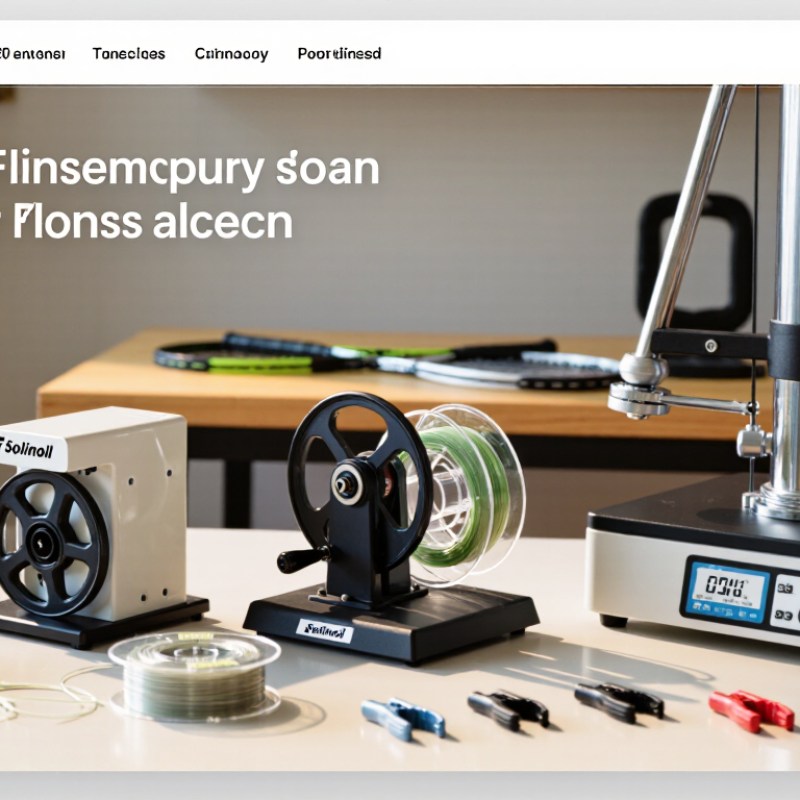
What Is a Solinco Stringing Machine?
A stringing machine is a tool for installing fresh strings in a tennis racquet at a chosen tension. It holds the frame steady, pulls each string, and helps keep tension consistent across the string bed. The basic parts include a mounting system, tension head, and clamps. Each has a practical job. A secure mount limits frame movement, while firm clamps reduce tension loss as strings are woven and tied off.
Machines use different tension systems, including drop-weight, crank, and electronic designs. A drop-weight model relies on a weighted arm; electronic models use a motor and controls. None automatically guarantees a better result. Setup, calibration, and careful technique matter just as much. Small differences show up on court. A loose clamp may leave one section feeling softer, and a poorly supported frame can be stressed during stringing. That matters.
When comparing machines, consider how often you string, how much adjustment you want, and whether the unit is easy to calibrate. Check that the mounting points fit your racquet and that the clamps move smoothly without slipping. A simple calibration check with a tension tester can reveal drift. I would not assume a higher price fixes inconsistent technique; that is an easy mistake. The machine is only one part of the job, and even good tools need periodic inspection.
Which Stringing Machine Type Is Best in 2026?
A tennis stringing machine tensions racket strings. The chart compares common machine mechanisms: drop-weight and constant-pull electronic machines maintain pulling force as string stretches, while lockout machines stop pulling once the set tension is reached. Electronic machines need a power source.
Choose a drop-weight machine for a manually operated, continuous-pull mechanism; choose a lockout type when a simpler tensioning action is preferred. Electronic machines can reduce manual effort, but require power. The best choice depends on budget, convenience, and how often you string.
Which Solinco Stringing Machine Models Are Available in 2026?
In 2026, available stringing-machine listings may include portable drop-weight, manual crank, and electronic models. These are useful categories, not confirmed names in any one manufacturer’s catalog. Check the current product page or dealer listing before treating a model as available. Catalogs can change, and older machines may remain in search results.
A drop-weight machine suits occasional home use and packs away easily. Its bar needs room to move, and the user must keep it level.
A crank model pulls tension faster, but its locking mechanism and calibration need regular checks.
Electronic machines offer convenient tension settings and can reduce repetitive effort. They usually cost more and need a nearby power outlet.
Details matter.
Compare the mounting system, clamp quality, supported tension range, and included tools. Ask whether calibration instructions and replacement parts are available. A low listed price may omit a stand or starting clamps. That is not enough. I would verify the exact model number, warranty terms, and service options before ordering; online descriptions are sometimes incomplete, and I have seen small differences overlooked.
How Do Solinco Models Compare in Features and Performance?
A practical comparison starts with the tensioning system. A crank machine is usually faster to learn and less expensive, but it locks at the selected tension. An electronic constant-pull unit keeps pulling as the string stretches, which can improve repeatability across a full bed. That difference matters when you string several racquets in one afternoon. Still, a well-calibrated crank can outperform a neglected electronic machine.
Mounting and clamps shape the work just as much. A six-point support system steadies the frame, while fixed clamps generally reduce repositioning between pulls. Floating clamps cost less, but may allow more movement. The USTA’s 2024 participation report counted 23.8 million U.S. tennis players in 2023, underscoring the scale of the market for dependable racquet service. It does not prove one machine is more accurate; hands-on calibration does. Small but important.
Tips: Check calibration with a tension calibrator before comparing machines. Pull the same string at the same setting, then inspect the finished bed and record the result. I would also time a full racquet, not just one pull. The faster model may feel better in a demo, yet awkward clamp access can slow real work. Budget for mounting stability, clamp quality, and service support—not just electronic features. A tiny inconsistency is easy to miss. Over many jobs, it adds up.
Which Solinco String Machine Suits Each Type of User?
A suitable stringing machine depends less on headline features than on how often you string and how closely you track tension.
For a home player restringing a few racquets each season, a drop-weight machine is often a sensible fit. It is compact, relatively simple, and does not rely on electronics. You will need patience: the weight must settle level, and each pull takes attention. That matters.
Frequent stringers may prefer a crank machine, which speeds up repeated jobs while keeping tension adjustments straightforward. Coaches or busy clubs could benefit from an electronic model, especially when consistent pull speed and programmable settings save time across several racquets. Look closely at clamp stability, mounting support, and calibration—not just the display. A slipping clamp can undo careful work.
If possible, test the machine with a familiar string and check the finished racquet for even string spacing.
One honest caveat: electronic convenience does not automatically produce better results. Technique, maintenance, and a repeatable routine still matter, and even experienced users can miss a small inconsistency.
What Should Buyers Consider Before Choosing a Solinco String Machine?
Choosing a stringing machine starts with how often you play and string, not the longest feature list. A home player restringing a few racquets each month may value easy setup and reliable tension more than tournament-level speed. Check whether the tension system suits your routine, and look for clear calibration instructions. Small differences matter. A poorly adjusted machine can leave two racquets feeling unlike each other.
Pay close attention to the mounting system and clamps. The frame should sit securely without awkward pressure, while clamps should hold strings without slipping or leaving marks. If possible, test how easily they move across the base. A cramped workbench can make a large machine frustrating, even when its specifications look impressive. Measure your available space first. Also consider whether the machine can be moved safely or needs a permanent spot.
Parts, service, and learning support deserve equal attention. Ask whether replacement clamps or tension components are available, and how calibration is checked over time. For a first machine, a simple control layout may prevent mistakes during late-night restringing. Advanced features are useful, but only if you understand them. I would be cautious about choosing by speed claims alone; setup habits and operator skill affect results too. And budget for tools, string, and occasional maintenance, not just the machine itself.