
Email Id: sale@adctooling.com
The best Tactical Watch in 2026 is not simply the toughest-looking model on a shelf. It is the one whose features match real use. A clear dial, dependable timekeeping, comfortable fit, and practical water resistance matter more than a long list of dramatic claims. In this guide, watch journalist James Stacey’s field-minded approach can be summed up in one useful question: “Will this watch stay readable, reliable, and comfortable when the day gets demanding?” Treat that as a buying test, not a substitute for checking each model’s specifications.
We compare watches by the details you can verify: case dimensions, display legibility, battery or power system, strap security, and manufacturer-stated resistance ratings. A bright screen in a dim room is helpful. So is a crown that does not dig into your wrist beneath a jacket cuff. Small things count. Yet “tactical” is not a universal technical standard, and marketing language can blur meaningful differences. That deserves a closer look.
The right choice depends on your routine. A digital watch may offer quick access to alarms and a timer, while an analog model may feel simpler to read at a glance. Neither is automatically better. Check independent testing where available, confirm the warranty, and consider servicing before buying. We will examine strengths, trade-offs, and the situations each watch suits best. No model is perfect. That is the point.
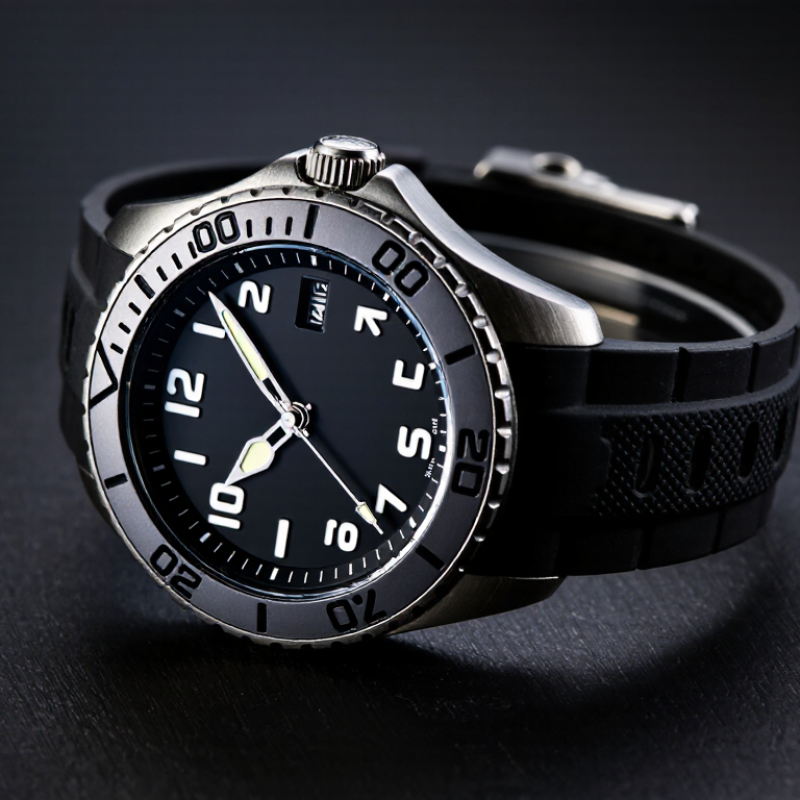
A tactical watch in 2026 is defined by useful performance, not an aggressive look. It should remain easy to read when light is poor, hands are wet, or attention is divided. Clear numerals, dependable illumination, and a legible seconds display matter more than a crowded dial. Readability matters. A secure strap and controls that are easy to operate with gloves can help, too, though bulky cases may catch on sleeves. That trade-off is easy to overlook in product photos.
Durability means more than a tough-sounding description. Look for a stated water-resistance rating, a case built to handle everyday knocks, and a movement with clear service information. A compass or second time zone can be useful, but extra functions add complexity and may need power or calibration. Keep it simple. In practical use, the best choice depends on the task: night shifts, fieldwork, and everyday wear place different demands on a watch. I would not treat any watch as a substitute for navigation equipment or careful planning. Even a capable model has limits, and ratings do not guarantee performance after damage or neglected maintenance. A little skepticism helps.
What Is the Best Tactical Watch in 2026?
Which Features Matter Most in Tactical Use?
In tactical use, a watch should be readable at a glance, easy to operate with gloves, and dependable when conditions change. Large physical buttons can matter more than a crowded menu. A clear backlight, simple timers, and a secure strap are practical details, not decoration. Battery life also deserves scrutiny: frequent GPS tracking can drain a small device faster than expected. There is no perfect feature set.
Navigation accuracy has limits. GPS.gov reports that GPS-enabled devices typically achieve accuracy within 4.9 meters under open sky; buildings, terrain, and foliage can worsen results. Treat a watch’s position as a useful reference, not an infallible measurement. For durability claims, read carefully: the U.S. Department of Defense’s MIL-STD-810H describes environmental test methods that should be tailored to intended use. It is not a universal pass-or-fail certification. A wet touchscreen may still frustrate, even on a rugged watch.
Tips: Test the controls with gloves, check legibility in direct sun and darkness, and confirm the stated water rating suits your actual activities. Pack a charging plan for long outings. Small checks prevent avoidable surprises.
Which features matter most in tactical use? Water resistance is one practical benchmark to compare.
Approximate equivalents use 1 bar ≈ 10 metres of static water pressure. These figures are not guaranteed operating depths: movement, temperature, ageing seals, and activity can affect water resistance. For tactical use, also consider legibility, durable construction, reliable power, and easy-to-operate controls.
Evaluating a tactical watch starts with the tasks it must handle, not its appearance. Can you read the time quickly in dim light? Are the hands and markers distinct, and can you operate the crown or buttons with gloves? A clear display matters. Try checking it outdoors, under a sleeve, and while moving. Small controls that feel fine indoors may become frustrating in cold weather.
Durability needs practical checks. Look for a case that resists knocks, a crystal that limits glare and scratching, and water resistance suited to the watch’s intended use. These ratings are not invitations to ignore maintenance: seals can age, and a watch should be inspected after hard use. Battery life or charging options also matter when outlets are scarce. Check the details twice. A feature list can sound impressive while leaving out repair needs.
Comfort is easy to overlook. A heavy case may catch on cuffs, while a stiff strap can irritate skin after hours of wear. Test the fit during ordinary movement, not just at a desk. Accuracy, legibility, and dependable controls deserve more weight than extra functions you may never use. There is no perfect test, either; personal eyesight, climate, and routine change the result. Keep notes over several days, and be willing to revise your first impression.
The strongest tactical watches in 2026 are defined less by rugged styling than by dependable performance. Look for clear, high-contrast displays that remain readable in bright sun and low light. Large, well-spaced numerals help when you are moving or wearing gloves. Useful features include a countdown timer, a second time zone, and a backlight that does not overwhelm night vision. Simple controls matter. Tiny buttons can be frustrating in cold weather.
Durability claims deserve a closer look. A solid case and scratch-resistant crystal are helpful, but water resistance, strap comfort, and serviceability matter just as much. Check the stated depth rating and follow the maker’s care guidance; ratings do not mean a watch is suitable for every water activity. Battery-powered models often offer predictable upkeep, while solar charging can reduce routine battery changes. Neither option is perfect. Solar performance may fall short when the watch spends most of its time indoors.
Tips: Try the controls with gloves on. Check the display at an angle, then wear the watch for a full day. If the strap pinches or the screen feels crowded, those small annoyances may matter more than extra features.
Choose a tactical watch by matching its features to your actual routine, not by counting functions. For hiking or field work, check whether the display is easy to read in bright sun and dim light. Try it with the gloves you expect to wear. A watch that snags on a sleeve gets annoying fast. Fit matters.
Think about power, durability, and upkeep. A long battery life can be useful when charging is inconvenient, while a replaceable battery may suit simpler routines. Check the stated water-resistance rating and follow the maker’s care instructions; ratings do not mean every watch suits every water activity. A raised bezel may help protect the face, but it can also catch on gear. Small trade-offs matter.
Before buying, wear a similar-sized watch for a day if possible. Notice its weight, strap comfort, and whether the controls are usable with cold or wet fingers. Fancy features can look reassuring, yet unused features add little. I’d give clear legibility and a comfortable fit more weight than a crowded screen. It is easy to overlook the strap.
| Watch Type | Best For | Power and Upkeep | Navigation and Field Tools | Durability Considerations | Main Advantages | Main Trade-Offs |
|---|---|---|---|---|---|---|
| Solar-powered digital or ana-digi | General outdoor use, training, and extended trips where regular charging is inconvenient. | Uses light to recharge an internal battery. Reserve time and charging performance vary by design and exposure to light. | Often includes a backlight, alarms, stopwatch, countdown timer, and sometimes a compass or altimeter. | Check the stated water-resistance rating, case construction, and whether the buttons are usable with gloves. | Low routine maintenance and a useful balance of timekeeping and outdoor functions. | Features vary widely; prolonged darkness or heavy use of power-hungry functions can reduce available reserve. |
| Rugged digital quartz | Budget-conscious users who want a durable, straightforward watch for everyday work or field tasks. | Battery-powered quartz movement; battery life depends on the movement, display, alarms, and backlight use. | Common functions include a stopwatch, timer, alarm, and illuminated display. Navigation sensors are not guaranteed. | Look for clear impact-resistance claims and a water-resistance rating suited to the intended activity. | Simple operation, easy-to-read digital information, and typically modest upkeep. | Usually lacks mapping and satellite navigation; a battery change may eventually be needed. |
| GPS outdoor smartwatch | Navigation, route recording, fitness tracking, and users who need digital maps or connected features. | Rechargeable battery. Runtime can range from hours to days with satellite tracking enabled and is highly dependent on settings and use. | May provide satellite positioning, route tracking, compass, altimeter, maps, and emergency-contact features; capabilities differ by model. | Check impact protection, screen readability, water rating, and whether the device can operate without a phone or network connection. | The broadest set of navigation and activity features in this comparison. | Requires regular charging; some connected, mapping, or satellite features may depend on setup, coverage, or subscriptions. |
| Analogue quartz | Users who prioritize a quick glance at the time, a traditional dial, and minimal interaction. | Replaceable battery; service interval varies by movement and functions such as illumination. | Usually limited to time and date unless additional instruments are built in. | Check crystal protection, crown security, strap strength, and the stated water-resistance rating. | Easy time reading and simple operation, with no charging routine. | Provides fewer field functions than most digital or GPS watches. |
| Mechanical or automatic | Users who prefer a watch that does not rely on a battery or regular electronic charging. | Powered by a wound mainspring; automatic designs wind through wrist movement. It may need winding or servicing. | Typically limited to time and date; electronic navigation and sensors are generally not included. | Mechanical shock resistance and water resistance depend on the specific construction and should be checked before demanding use. | Operates without a battery and can be maintained by a qualified watch technician. | Less feature-rich than electronic options and may need regular winding, accuracy checks, or servicing. |
How to choose: For most users, the best tactical-style watch is the one that matches the mission: choose GPS when navigation is essential, solar or standard quartz for dependable low-maintenance timekeeping, and a mechanical watch only if you prefer its battery-free operation. Water-resistance ratings are not interchangeable: follow the manufacturer’s guidance, and do not assume that a watch marked water-resistant is suitable for diving.