China Best Fiberglass Ceiling Board Hot Pressing Machine Guide?
The demand for high-quality ceiling materials is steadily rising in the construction industry. The global fiberglass ceiling board market is projected to grow considerably. According to a recent industry report, the market size may reach USD 4.5 billion by 2027. Consequently, manufacturers are focusing on advanced technologies to enhance production efficiency.
A crucial component in this sector is the Fiberglass Ceiling Board Hot Pressing Machine. This machinery significantly impacts product quality and production speed. High-pressure technology allows for optimal resin distribution and improved board density. Reliable machines lead to reduced waste and cost savings in the long run.
However, selecting the right hot pressing machine can be challenging. Factors such as machine capacity, energy efficiency, and maintenance need careful consideration. Not all machines are created equal. Therefore, a comprehensive evaluation is essential to make an informed decision that aligns with specific production needs.
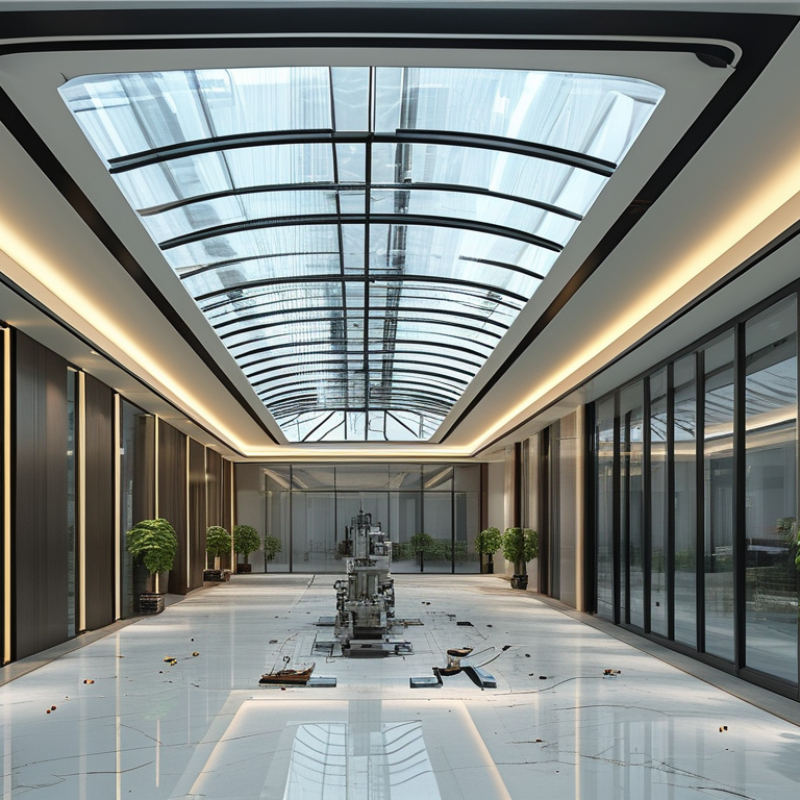
Overview of Fiberglass Ceiling Boards and Their Applications
Fiberglass ceiling boards are increasingly popular in modern architecture. They offer a lightweight yet durable alternative to traditional materials. Their unique composition allows for various designs and finishes. This versatility aids in creating visually appealing environments in homes and commercial spaces.
These boards are not just visually striking; they are also functional. They provide excellent sound insulation and thermal properties. Such features make them suitable for offices, theaters, and schools. However, there are concerns about their installation. Improper setup can lead to warping or cracking, undermining their benefits.
It’s essential to consider the environmental impact too. Fiberglass production can involve harmful chemicals. Sustainable practices are vital when manufacturing these boards. Additionally, installers must adhere to safety protocols during the entire process. Continuous training and expert guidance will enhance the overall quality of installations.
Key Features and Specifications of Hot Pressing Machines
When looking for a hot pressing machine for fiberglass ceiling boards, it's essential to consider key features. A robust heating system is crucial. This affects the quality of the ceiling boards produced. Many machines offer adjustable temperature settings. These allow for versatility in production. A durable frame ensures the machine's longevity, which is vital for continuous use.
Another aspect to analyze is the hydraulic system. Efficient pressure application can enhance the bonding of materials. Machines with precise pressure control can yield better results.
Safety features are also important. Emergency stops and protective covers prevent accidents during operation. Regular maintenance is necessary for reliable performance. Operators must be trained to ensure optimal handling and reduce risks.
Measuring productivity is vital as well. Some machines provide real-time feedback on output. This helps in assessing efficiency. However, not all machines are perfect. Some may face issues with consistency over time. Evaluating user reviews can provide insights but requires careful consideration. Remember, investing in quality machinery is an ongoing commitment that requires reflection and adjustments.
Market Trends: Growth of the Fiberglass Ceiling Board Industry
The fiberglass ceiling board industry is witnessing significant growth. This surge is fueled by rising construction activities and the demand for lightweight materials. Fiberglass ceiling boards are known for their durability and ease of installation. They offer excellent sound insulation and moisture resistance, making them ideal for various applications.
Market trends indicate an increasing preference for eco-friendly products. Builders and designers are seeking sustainable options that do not compromise on quality. Innovations in manufacturing are also enhancing product performance. Hot pressing techniques, for example, improve the structural integrity and finish of fiberglass boards. Regular updates and improvements are vital to maintain competitive advantages.
Tips: Consider integrating natural lighting into your design. This enhances the appeal of fiberglass ceilings. Regularly review industry trends to stay informed. Engage with professionals who can provide insights into emerging technologies. Balancing cost with quality is key. Sometimes, what seems cheaper may lead to higher maintenance costs in the long run.
Operational Process of Hot Pressing in Manufacturing
The operational process of hot pressing in fiberglass ceiling board manufacturing is critical for achieving durability and quality. During the hot pressing phase, heat and pressure are applied to the fiberglass material. This results in a strong bond that enhances the board's structural integrity. According to industry reports, the optimal temperature range for effective hot pressing is typically between 150°C to 180°C. This range ensures proper fusion without compromising the material properties.
Precision is vital during this process. Any discrepancies in temperature or pressure can lead to defects such as warping or uneven surfaces. A study from the International Composite Materials Association found that a 5% variation in pressure can result in a 10% drop in product strength. These details emphasize the need for meticulous control and monitoring throughout the hot pressing operational process.
In addition to technical considerations, manufacturers face challenges related to equipment maintenance. Regular inspections and timely repairs are essential to avoid downtimes. Some manufacturers overlook the importance of this, leading to production delays. Indeed, 70% of manufacturers reported that maintenance issues directly affect their output. The operational process is not just about efficiency; it’s about understanding these intricacies to improve overall product quality.
Maintenance Tips for Maximizing Machine Efficiency and Longevity
Regular maintenance of fiberglass ceiling board hot pressing machines is essential for optimal performance. According to industry reports, about 20% of machine downtime is attributed to inadequate care. Schedule daily checks to identify wear and tear early. Lubricate moving parts to reduce friction. Clean the heating plates to ensure uniform heat distribution. Neglecting these tasks can lead to inefficiency and costly repairs.
Proper training for operators is also critical. A study by the International Association of Machinery Engineers found that well-trained staff can boost efficiency by up to 30%. Encourage continuous education on machine operation and maintenance. This step helps prevent misuse, which can shorten the machine's lifespan. Even a simple oversight, like failing to check for loose bolts, can lead to significant issues.
Documenting maintenance activities can be beneficial. Keep track of all services performed. This practice enables the identification of patterns over time. Machines that lack regular data recording may suffer unexpected failures. The goal is to create a feedback loop. Learn from each maintenance cycle to enhance future performance, even when challenges arise.
China Best Fiberglass Ceiling Board Hot Pressing Machine Guide
| Maintenance Task | Frequency | Notes | Expected Outcome |
| Clean Machine Components | Weekly | Remove debris and dust. | Improved efficiency and reduced wear. |
| Check Hydraulic Fluid Levels | Monthly | Ensure proper fluid levels are maintained. | Prevent hydraulic failures. |
| Inspect Electrical Connections | Monthly | Look for loose or frayed wires. | Ensure safe operation. |
| Lubricate Moving Parts | Every Three Months | Use appropriate lubricant. | Reduce friction and wear. |
| Test Emergency Stop Function | Quarterly | Ensure safety systems are functional. | Enhance operator safety. |
| Replace Worn Components | As Needed | Monitor for signs of wear. | Maintain optimal performance. |