Why Choose a Bent-axis Motor for Your Next Project?
When considering motors for high-performance applications, the Bent-axis Motor often stands out. It offers several advantages over other types of motors, such as improved efficiency and power density. According to Dr. Emily Carter, a leading expert in hydraulic systems, “Bent-axis motors provide unmatched precision and control in demanding environments.” This makes them a popular choice for various industrial projects.
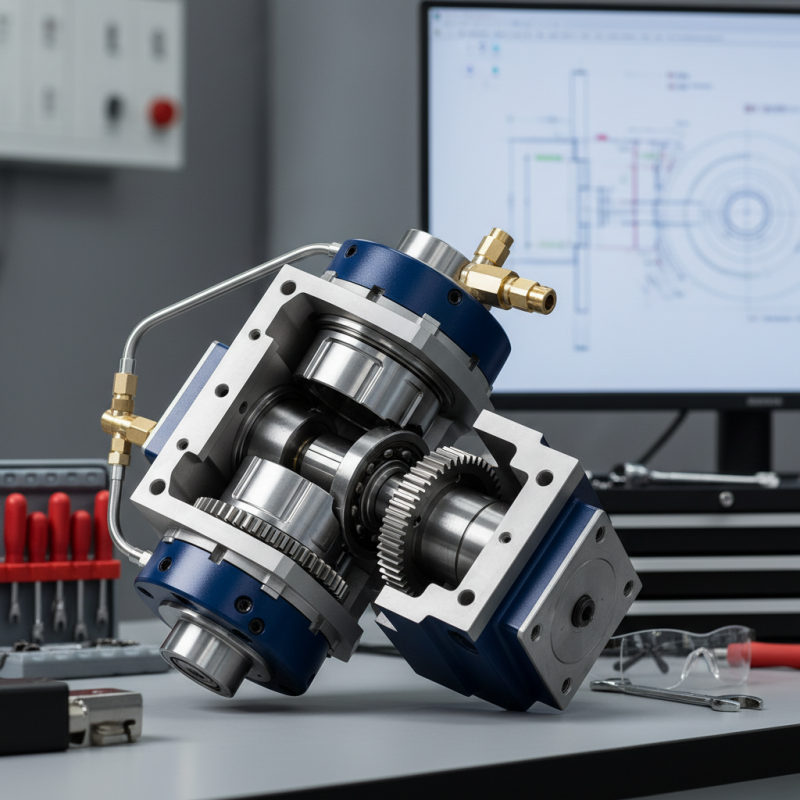
The design of a Bent-axis Motor contributes to its unique capabilities. Its angled configuration allows for a more efficient transfer of fluid power. As a result, these motors can operate smoothly under heavy loads, delivering consistent performance. However, it is crucial to recognize that not every project requires a Bent-axis Motor. There are scenarios where other motor types might be more suitable.
Choosing the right motor can be a complex task. While Bent-axis Motors have many benefits, potential drawbacks exist. They can be more expensive and require expert installation. Evaluating your project’s specific needs is vital. Rushing into a decision without careful consideration could lead to issues down the line. Understanding both the strengths and weaknesses of the Bent-axis Motor is essential for successful implementation.
Advantages of Bent-axis Motors Over Traditional Designs
Bent-axis motors offer distinct advantages over traditional motor designs, setting them apart in various applications. One major benefit is their efficiency. These motors have a compact and lightweight design, which can lead to better energy usage. With fewer moving parts, bent-axis motors can reduce wear and tear, enhancing longevity. This can be especially important in projects requiring long-term reliability.
Additionally, bent-axis motors often provide higher power density. This means they can generate more power in a smaller footprint. This is beneficial for applications with strict space limitations. They can deliver excellent torque at low speeds, making them adaptable for various tasks. However, it is essential to consider the specific requirements of the project. Sometimes, the selection process can be complex and require deep analysis.
Another aspect to think about is maintenance. While these motors are designed for durability, they still require regular checks. Ignoring maintenance can lead to performance drops. Users must balance the initial investment with long-term costs. Choosing a bent-axis motor may also take time to understand fully. This necessitates a careful assessment of both benefits and drawbacks before making a decision.
Advantages of Bent-axis Motors Over Traditional Designs
Key Applications of Bent-axis Motors in Various Industries
Bent-axis motors are gaining traction across multiple industries due to their unique benefits. These motors are especially valued in mobile machinery and construction equipment. Their design allows for efficient power transfer, making them ideal for applications requiring high torque and speed. Operators appreciate the ability to deliver strong performance in tight spaces.
In the automotive sector, bent-axis motors play a crucial role in hybrid and electric vehicles. They provide smooth acceleration and regenerative braking, which enhances energy efficiency. While they excel in these applications, some engineers note potential challenges in heat management. Ensuring optimal performance is essential, as overheating can lead to inefficiencies.
Manufacturers in the agricultural industry find bent-axis motors useful for hydraulic systems in tractors and tillers. With their compact design, these motors enhance maneuverability. However, maintenance can be tricky, and some users report difficulties in troubleshooting. Continuous training for technicians and operators could improve performance consistency across varied applications.
Why Choose a Bent-axis Motor for Your Next Project? - Key Applications of Bent-axis Motors in Various Industries
| Industry | Key Applications | Advantages of Bent-axis Motors |
| Construction | Excavators, Loaders, and Cranes | High torque and efficiency |
| Agriculture | Harvesters and Tractors | Compact design and reliability |
| Manufacturing | Injection Molding Machines | High precision and control |
| Mining | Drilling Rigs and Loaders | Durability under harsh conditions |
| Renewable Energy | Wind Turbines | High efficiency at variable loads |
Understanding the Mechanics of Bent-axis Motor Operation
Bent-axis motors operate on a unique mechanism that sets them apart from traditional motors. The design features a tilted shaft and is known for its efficiency. When hydraulic fluid enters, it creates a force that pushes the pistons. This setup enables smooth and consistent torque production. However, the complexity of the geometry can pose challenges in alignment and installation.
One of the notable advantages is their high power-to-weight ratio. This allows them to be compact yet powerful, making them ideal for various applications. Still, users must understand their limitations. Ensuring proper maintenance is crucial as wear and tear can lead to performance issues. Additionally, improper operation can result in inefficient power use. Balancing performance with these challenges requires careful planning.
As industries evolve, bent-axis motors present an exciting opportunity. Their mechanics allow for innovative applications. Yet, developing a clear understanding of these systems is essential. Rushing into a project can lead to costly mistakes. It is important to analyze specific project needs before making decisions. This reflective approach will pave the way for successful implementation.
Factors to Consider When Choosing a Bent-axis Motor
Choosing a bent-axis motor can be pivotal for your project. Several factors influence this decision. First, consider the application's specific requirements. Bent-axis motors excel in providing high torque and efficiency. They perform well in various settings, including industrial machinery and mobile equipment.
Next, think about the available space. These motors often fit compact environments. Their design allows for a shorter installation length, which can simplify layout designs. However, installers should assess the vibration and noise levels. Some may find these motors less quiet than expected. This could be an important aspect in sensitive settings.
Another factor is maintenance. Bent-axis motors require regular checks. Understanding the typical wear and tear over time is crucial. Users must weigh the benefits against possible downtime. Reflecting on these points can lead to a more informed choice, ensuring that the selected motor aligns with project goals and operational needs.
Future Trends in Bent-axis Motor Technology and Development
The evolution of bent-axis motor technology shows great promise. This type of motor offers unique advantages in efficiency and power density. As industries continue to seek more compact solutions, bent-axis motors stand out. They are ideal for demanding applications like robotics and aerospace.
Future trends indicate significant advancements. Enhanced materials will boost performance. Improved designs may reduce manufacturing costs. These changes could lead to wider adoption across various sectors. Reactive cooling systems might also surface, improving thermal management.
Tips: When choosing a bent-axis motor, consider the specific application. Understand the torque and speed requirements. Look for prototypes to test performance. Engage with experts to refine your selection.
The focus on sustainability is crucial. Future developments could harness renewable energy sources. This shift will reflect broader environmental goals. However, challenges remain. Balancing power with efficiency is not always straightforward. Continuous research is essential to address these hurdles.