How to Choose the Best Air Conditioner Condenser for Your Needs?
Choosing the right Air Conditioner Condenser is crucial for efficient cooling. According to the U.S. Department of Energy, air conditioning accounts for about 12% of household energy expenses. The type and quality of your condenser can greatly impact these costs. For instance, a high-efficiency condenser can save homeowners over 30% on energy bills.
However, making the right choice can be challenging. The market offers various models with varying efficiencies and designs. Each model has its unique features, which can lead to confusion. Consumers often struggle to understand terms like SEER (Seasonal Energy Efficiency Ratio) or BTU (British Thermal Unit), which are vital for making informed decisions.
When choosing an Air Conditioner Condenser, it is essential to consider your specific cooling needs. Underestimating these needs might result in inadequate cooling, while overestimating could lead to unnecessary expenses. Consulting with professionals can provide insights tailored to individual requirements. Buying an efficient model is a wise investment, but misconceptions can lead to dissatisfaction.
Understanding the Function of an Air Conditioner Condenser
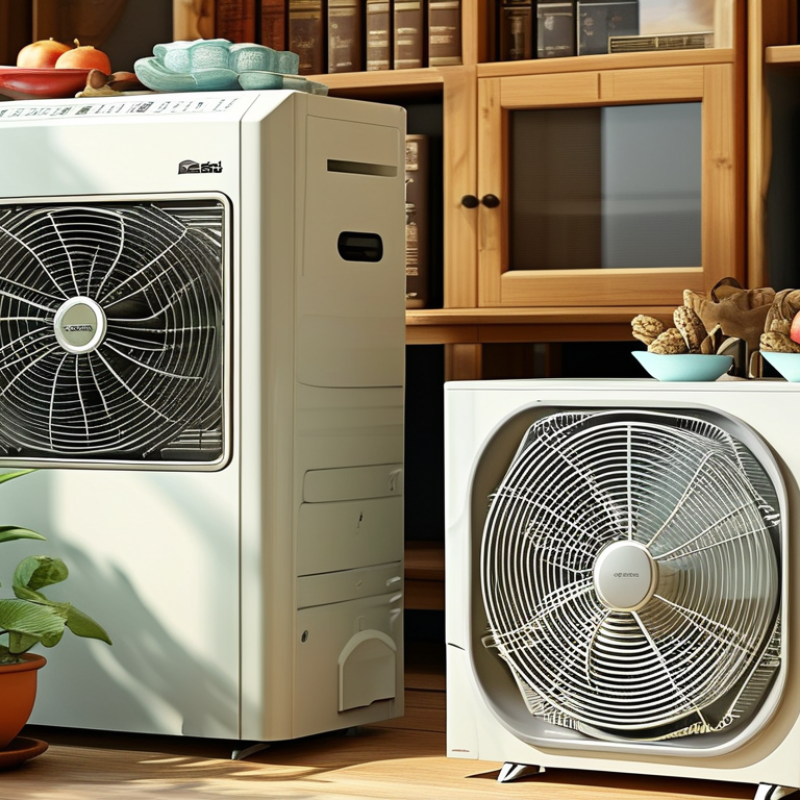
The air conditioner condenser plays a vital role in cooling your space. It is responsible for releasing heat extracted from inside your home into the outside air. When warm refrigerant gas flows through the condenser coils, it dissipates heat and condenses into a liquid. Overall efficiency increases with proper functioning, but many consumers overlook this key component.
When selecting a condenser, consider the SEER rating. Higher ratings often indicate better energy efficiency. Industry reports suggest that units with a SEER rating of 16 or higher can save homeowners up to 30% on energy bills. Additionally, the size of the condenser must match your space's cooling needs. An oversized condenser may cool too quickly, reducing its efficiency. Meanwhile, an undersized unit will work harder, leading to premature wear.
Tips: Regular maintenance, like cleaning the coils, is crucial. A dirty condenser can drop efficiency by up to 30%. Check for blocked air flow sources as well; even small obstructions affect performance. Always consult with an HVAC professional to determine the best fit for your unique environment.
Identifying Your Cooling Requirements and Space Dimensions
When choosing an air conditioner condenser, understanding your space's dimensions is crucial. Measure the area you want to cool. Consider the ceiling height and the number of windows. These factors significantly impact your cooling needs. A small room requires less cooling power compared to a large, sunny area.
Tips: Assess the insulation quality in your home. Poor insulation raises the cooling demand. If your space has drafts or unsealed windows, cooling efficiency suffers. Even a great condenser won't work properly in a poorly insulated environment.
Additionally, account for the number of occupants. More people generate heat. In homes with frequent gatherings, you may need a stronger unit. It’s easy to underestimate the effect of added heat.
Don't overlook your local climate. Areas with high humidity may require more cooling capacity. Your condenser should be efficient enough to handle these moisture levels. Balancing these aspects can lead to better comfort levels and reduced energy costs.
Evaluating Energy Efficiency Ratings and Operating Costs
When choosing an air conditioner condenser, evaluating energy efficiency ratings is crucial. Energy efficiency ratings, such as SEER, indicate how well an air conditioner cools a space relative to its energy consumption. A higher SEER rating usually means lower operating costs. However, such units often come with an initial high price tag. It's essential to balance this upfront cost against potential savings on energy bills.
Consider the local climate when selecting a unit. In hot areas, a higher SEER is beneficial. For milder climates, a mid-range SEER might suffice. Think about your usage patterns too. If you run your air conditioner constantly, investing in a high-efficiency model could lead to significant savings over time.
Additionally, assessing the unit's operating costs is vital. Look beyond the purchase price. Factor in maintenance and the lifespan of the unit. Some models require more frequent repairs, which can add to long-term expenses. Reflect on your needs and budget carefully. Choosing the wrong unit could result in unexpected costs down the line.
Comparing Different Types of Air Conditioner Condensers
When selecting an air conditioner condenser, consider the primary types available: central, ductless, and window units. Central systems often offer high efficiency and cover larger areas. According to the U.S. Department of Energy, modern central AC units can achieve efficiencies of 16 SEER (Seasonal Energy Efficiency Ratio) or higher. This can translate to significant savings on energy bills.
Ductless systems are flexible and ideal for homes without ductwork. They allow for zoning, which enhances comfort in specific areas of the home. However, installing these units can be more complex and may require professional help, adding to initial costs. Recent reports indicate ductless systems can operate at a SEER rating of 22 or more, showcasing their energy-saving potential.
Window units are typically less efficient but are budget-friendly options for smaller spaces. The Energy Star program notes that units with high ratings can achieve efficiencies upwards of 12.1 EER (Energy Efficiency Ratio). Users must weigh upfront costs against long-term savings. Each type serves unique needs, but making the right choice involves careful consideration of efficiency, space, and potential installation hurdles.
Considering Installation and Maintenance Factors for Your Unit
Choosing the right air conditioner condenser involves more than just size and efficiency. Installation plays a critical role in its overall performance. The location of the condenser affects airflow and efficiency. Placing it in a shaded area can enhance cooling performance. Ensure it has ample space around it for ventilation. Improper installation can lead to issues like noise and reduced lifespan.
Maintenance also directly impacts the unit's longevity. Regular cleaning is necessary to prevent dust buildup. This buildup restricts airflow and can cause the system to work harder. Checking refrigerant levels ensures the unit runs efficiently. Look for signs of wear, such as unusual noises or leaks. Neglecting these aspects can lead to costly repairs. Consider hiring professionals for thorough inspections and servicing. Their expertise can help you maintain optimal performance over time. Each step requires attention to detail to achieve excellent results.