How to Choose the Best Fiberglass Mesh Machine for Your Needs?
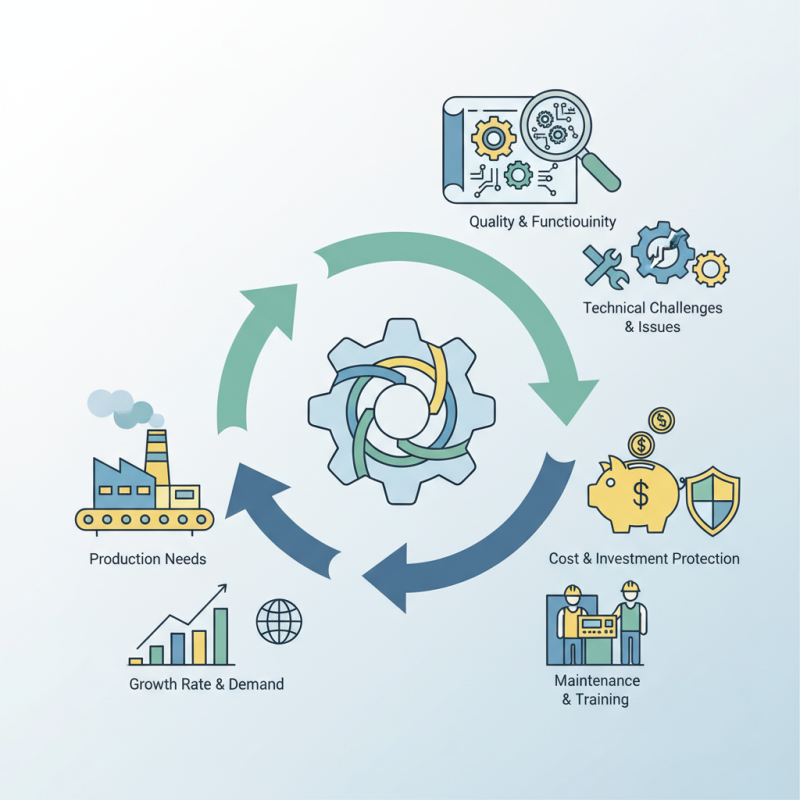
Choosing the right fiberglass mesh machine is crucial for efficiency and quality. The global demand for fiberglass products is rising, with a projected growth rate of 5.8% annually through 2026. This growth calls for advanced machinery that meets varied production needs.
In the market, machines differ significantly in quality and functionality. Not every fiberglass mesh machine can handle large-scale productions or specialized applications. A study found that nearly 30% of manufacturers reported issues with their mesh machines, leading to technical challenges. Identifying the right fit requires understanding your specific needs and industry standards.
Investing in the best equipment can lead to remarkable improvements. However, it's essential to consider that equipment failure can be costly. Regular maintenance and operator training are also necessary. In the end, selecting a fiberglass mesh machine is about balancing quality, cost, and production requirements.
Understanding the Different Types of Fiberglass Mesh Machines
When selecting a fiberglass mesh machine, understanding the different types available is crucial. There are three primary categories: loom-based, weaving, and automatic machines. Each type has unique features catering to varied production needs. Loom-based machines are commonly used for high-output requirements, while weaving ones offer flexibility in design patterns. Automatic machines streamline the production process, reducing labor costs significantly.
Tips: Look for machines that allow easy adjustments. This will help you adapt to varying project demands. Often, machines require fine-tuning to produce the desired mesh quality.
Data indicates that the global fiberglass mesh market is expected to grow at a CAGR of around 5% from 2021 to 2028. This growth underscores the importance of investing in efficient equipment. However, many buyers overlook after-sales service and maintenance needs. This can lead to downtime and increased expenses over time.
In addition, consider the compatibility of machines with different types of resin. A mismatch can lead to material waste and affect overall production efficiency. Evaluate your projects and production goals to ensure you choose a machine that truly fits your needs.
Key Features to Consider When Selecting a Fiberglass Mesh Machine
When selecting a fiberglass mesh machine, several key features deserve your attention. The first aspect is production capacity. Think about how much mesh you need daily. A machine that fits your target output will save time and energy. Check if it can handle different sizes and styles of mesh. Flexibility in production can be a game changer.
Another important feature is ease of operation. The machine should be user-friendly and have simple controls. Training staff to operate complex machinery can be a long, tedious process. Take a moment to evaluate the technology interface before making a purchase. Is it intuitive? If not, it might lead to errors and production delays.
Don’t overlook maintenance requirements. Some machines need constant attention, while others are more self-sufficient. A highly demanding machine can lead to downtime and increased costs. Think about your team's experience and resources when considering this aspect. It's essential to find a balance between advanced features and practicality.
Assessing Production Capacity and Speed for Your Needs
Choosing the right fiberglass mesh machine can be challenging. Focus on production capacity and speed to meet your specific needs. Consider the volume of products you plan to produce. A machine with higher output might seem appealing, but it may require more resources. An efficient machine provides balance: quality output and sufficient speed.
Think about your production environment. Can your workspace accommodate a faster machine? Higher capacity often correlates with larger size. Evaluate your space and resources carefully. It’s important to ensure maintenance is manageable, especially with high-speed machines. You might find that a slower, more reliable machine suits you better.
Don't overlook the potential trade-offs. A machine that promises high speed may sacrifice quality or durability. Investigate the specifications closely. Take note of user reviews and feedback; these can provide insights on real-world performance. It’s worth pondering whether speed outweighs reliability in your situation.
Evaluating Price vs. Quality in Fiberglass Mesh Machines
When selecting a fiberglass mesh machine, price and quality are often in conflict. A lower price might seem appealing, but it can lead to compromises in durability and performance. An inexpensive machine may not last as long or produce consistent results. This can result in extra costs over time, especially if frequent repairs are needed.
On the other hand, investing in a higher-quality machine typically ensures better production efficiency. These machines are often equipped with advanced technology, resulting in finer mesh quality. However, a hefty price tag doesn’t always guarantee superior performance. Some high-priced machines may lack essential features that meet specific needs. Balancing these factors can be complex.
Consider how each machine aligns with your production goals. A price that appears reasonable might not reflect the complete story. Think about the materials used, the machine's capacity, and user reviews. Don't be swayed by flashy features alone. Assess what you truly need versus what is simply nice to have. A thoughtful analysis can lead to a wiser investment.
Maintenance and Support: Factors in Your Decision Making
When choosing a fiberglass mesh machine, maintenance and support are critical factors. Machines require regular upkeep. Neglecting maintenance can lead to bigger problems. It’s common to overlook this until something goes wrong. Check the manufacturer's support services. Does the company offer training? Are there spare parts readily available? These details matter in the long run.
Consider the complexity of maintenance. Some machines are intricate and require specialized skills. This may demand hiring extra help. A simpler machine might be more suited for small operations. Think about your team’s expertise. Can they handle repairs on their own? Or will you need to rely on external technicians for support?
Don’t forget about the lifespan of the machine. A well-maintained machine can last for years. However, if parts are difficult to replace, you may face downtime. This impacts productivity. Reflect on your current and future needs. Will your requirements change? It's wise to factor in potential growth while making your decision. Remember, the right support can save you from expensive setbacks later.