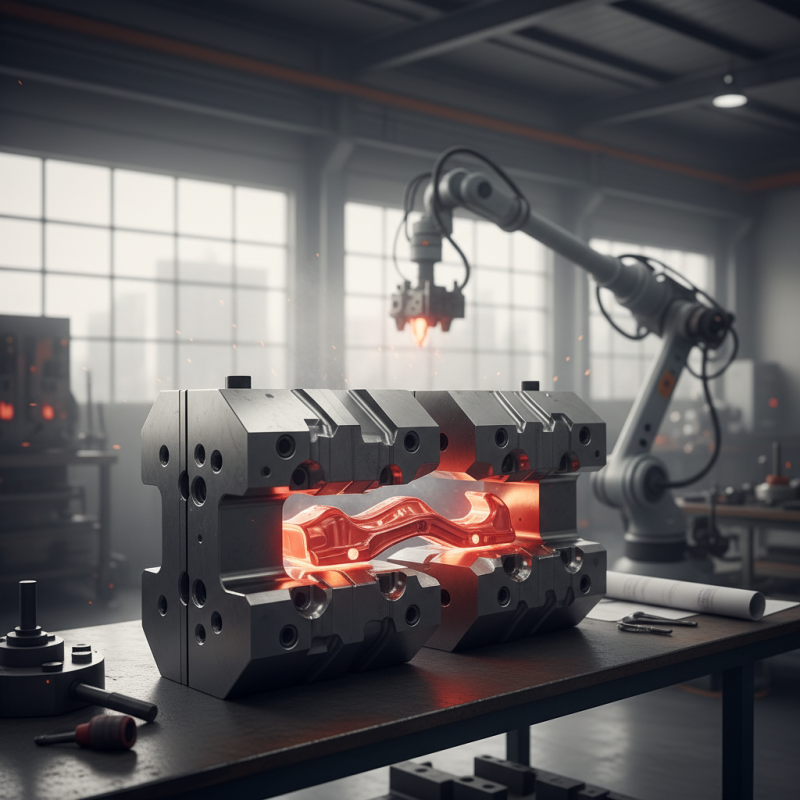
How to Choose the Best China Hot Forming Die for Your Needs?
Selecting the right China Hot Forming Die is crucial for your production needs. This choice impacts both efficiency and quality. The process may seem straightforward, but many factors come into play.
Understanding your specific requirements is essential. Different projects demand different dies. Your material type and desired shape shape your decision. Engagement with experienced manufacturers can provide invaluable insights. They often suggest designs based on their deep knowledge of the market.
Quality should never be compromised. Reliable suppliers of China Hot Forming Dies offer high standards. They use advanced technology and materials. Be cautious. Not all vendors uphold these principles. Conduct thorough research and ask for references. Your choice can significantly affect project success. Remember, the right die will streamline operations and enhance final product quality.
Understanding Hot Forming Die Types and Their Applications in China
Hot forming dies are crucial in many manufacturing processes in China. Understanding the various types can significantly impact production quality. There are primarily two categories: single cavity and multi-cavity dies. Single cavity dies are ideal for low-volume production. They offer simplicity and cost-effectiveness. Multi-cavity dies, on the other hand, can produce more parts per cycle. This makes them suitable for high-volume production runs.
When selecting a die, consider the material to be formed. Some dies perform better with specific metals. For example, aluminum requires different die characteristics than steel. The temperature range also matters. Dies must withstand the high temperatures used in hot forming. This can impact durability and, ultimately, production efficiency.
It's essential to evaluate your application needs carefully. Reflect on the complexity of parts required. Are intricate designs necessary? This question influences die design significantly. In many cases, companies settle for a standard die, which may not fully meet their needs. Customization can enhance performance but often requires a more significant investment of time and resources. Balancing cost versus functionality is crucial for a successful outcome.
Assessing Material Compatibility for Hot Forming Dies in Your Industry
Choosing the right materials for hot forming dies is crucial. Different industries have specific requirements. Metal types, temperatures, and environmental conditions affect material selection. Understanding these factors can prevent costly mistakes.
For instance, steel alloys are popular for their strength. However, they may not perform well in extremely high temperatures. In contrast, titanium alloys resist heat better but can be more expensive. Identifying your production parameters helps in selecting the right die material.
Compatibility extends beyond temperature. Chemical exposure during the manufacturing process matters too. Some materials corrode faster when exposed to specific substances. Testing various materials under intended conditions yields the best insights. Always consider conducting pilot tests to identify potential challenges before full-scale production. This reflection may lead to unexpected revelations, improving overall performance.
Material Compatibility for Hot Forming Dies
Evaluating Manufacturing Processes for Optimal Die Performance
When choosing a hot forming die, evaluating the manufacturing processes is crucial. The die's performance significantly depends on factors such as material selection, heat treatment, and design specifications. High-quality materials can withstand intense conditions, leading to longer die life. However, sometimes, even top materials fail under specific circumstances. It's essential to consider the application and stress conditions that the die will encounter.
Heat treatment processes also play a vital role in die performance. Correct heat treatment can enhance hardness and durability. Yet, improper temperature control can lead to brittleness. This unpredictability in outcomes emphasizes the need for rigorous testing. Each die should be evaluated for its intended use and performance metrics before production.
Design specifications are equally important. An efficient die design can facilitate better flow of materials. Poor design may result in defects or increased wear. Manufacturers must assess the design thoroughly to identify potential issues. The iterative process of designing, testing, and refining is never straightforward. Continuous learning and adjustments are necessary to achieve optimal performance.
How to Choose the Best China Hot Forming Die for Your Needs?
| Parameter | Description | Importance | Preferred Material |
| Temperature Resistance | Ability to withstand high temperatures during the hot forming process. | Critical | H13 Tool Steel |
| Durability | Resistance to wear over repeated use. | High | S7 Tool Steel |
| Cost-effectiveness | Balancing quality and price to maximize ROI. | Medium | D2 Tool Steel |
| Manufacturability | Ease of manufacturing the die based on design requirements. | High | P20 Tool Steel |
| Thermal Conductivity | Ability to conduct heat effectively to reduce thermal distortion. | Important | A2 Tool Steel |
Key Metrics for Measuring Die Durability and Lifespan
When selecting a hot forming die in China, measuring its durability and lifespan is crucial. Research indicates that up to 70% of die failures stem from improper material selection. Metals like H13 tool steel are common choices due to their heat resistance. However, improper heat treatment can reduce a die's life significantly.
Key metrics for durability include wear resistance and thermal stability. Studies show that a die's lifespan can be optimized by ensuring uniform heat distribution. This can prevent early wear in high-stress areas. A recent report highlighted that dies with enhanced thermal conductivity can last 30% longer than standard options. This reflects the impact of material science on longevity.
Another important factor is maintenance. Regular inspections help identify potential issues before they escalate. Data suggests that routine maintenance can extend a die's lifespan by at least 15%. Choosing a robust design also plays a role in prolonging usability. Engineers must balance cost with performance to avoid costly overruns. Often, cheaper dies may crumble quicker under pressure, forcing manufacturers to rethink their choices.
Cost-Benefit Analysis: Investment in Quality vs. Budget Options
When choosing a hot forming die, cost is a major factor. A recent industry report indicates high-quality dies can reduce production defects by up to 30%. Investing in quality can lead to long-term savings, despite higher initial costs. Companies often overlook these savings in favor of budget options.
Budget dies may save money upfront, but they often result in higher failure rates. Research shows that 20% of low-cost dies need replacement within a year. This leads to unexpected downtime and increased labor costs. Consider how these factors impact your overall budget.
Quality dies may require a larger upfront investment, but they enhance efficiency. A detailed analysis of die life expectancy shows high-quality options often last twice as long as cheaper varieties. This longevity can justify the initial higher price. Evaluate your needs carefully and think long-term. The right choice can significantly affect your operation's success.