How to Choose the Best Powder Metallurgy Manufacturers?
Choosing the right Powder Metallurgy manufacturer is crucial for your project's success. Powder metallurgy is a sophisticated process, used to create complex components with high precision. The market is filled with numerous manufacturers, each promising quality and efficiency. However, not all meet these promises.
To find the best partner, consider important factors such as experience and specialization. A manufacturer with a track record in powder metallurgy will likely understand your needs better. Look for those with certifications to ensure they adhere to industry standards. Quality control practices are another key aspect. Reliable manufacturers should demonstrate their commitment to excellence through rigorous testing and quality assessments.
While budget considerations matter, don’t let them compromise quality. Sometimes, cheaper options can lead to costly mistakes. Assessing customer reviews and case studies can provide insight into a manufacturer’s reliability. It’s essential to reflect on these aspects to make an informed decision in the competitive world of powder metallurgy.
Understanding Powder Metallurgy: Definition and Applications
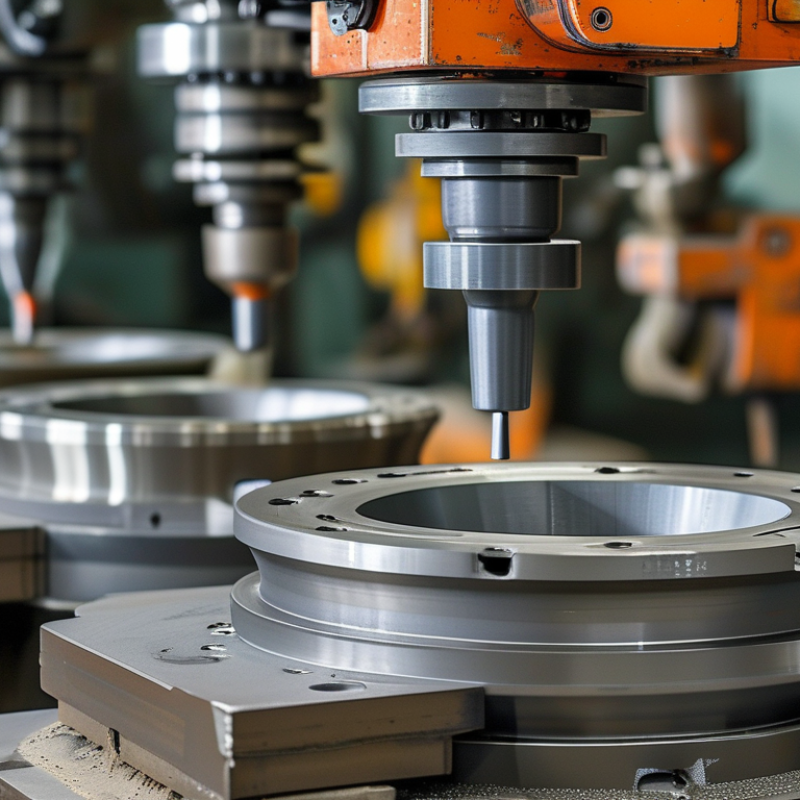
Powder metallurgy is a process that involves creating parts from metal powders. This technique is known for its precision and efficiency. It allows for the production of complex shapes that would be difficult or costly to achieve through traditional methods. Industries utilize powder metallurgy for producing gears, bearings, and various automotive components.
Understanding powder metallurgy requires knowledge of its applications. This manufacturing process is popular in aerospace, automotive, and medical industries. It can produce lightweight and durable components. However, not all powder metallurgy techniques yield the same results. Variability in powder quality can affect the final product. Manufacturers must ensure consistent quality in their materials.
Companies in this field need expertise and advanced technology. Choosing the right manufacturer is crucial for achieving desired specifications. Look for those with a solid track record and adherence to industry standards. While many companies claim to excel, some may lack the necessary experience. Research and ask for evidence of their capabilities and past projects.
Key Criteria for Evaluating Powder Metallurgy Manufacturers
When evaluating powder metallurgy manufacturers, several key criteria stand out. Start by examining their experience in the industry. A manufacturer with years of expertise is often more reliable. Look for companies that have successfully completed projects similar to your needs. This history can reflect their capabilities and reliability.
Quality control is another essential factor. Explore their quality assurance processes. Do they have certifications? Are they transparent about testing methods? A strong commitment to quality ensures that you receive durable and precise components. Additionally, consider their customer service. Responsive communication is vital for troubleshooting and addressing concerns as they arise.
Next, assess their technological capabilities. Advanced machinery and innovative processes can lead to better product outcomes. Manufacturers who invest in research and development often produce higher-quality results. Check their capabilities for customization as well. Flexibility can be a significant advantage in meeting specific project needs, and it reflects their problem-solving skills.
Industry Standards and Certifications: What to Look For
When selecting powder metallurgy manufacturers, focus on industry standards and certifications. These credentials indicate a company’s commitment to quality. Relevant standards, such as ISO 9001, ensure that manufacturers meet rigorous quality management criteria. According to a recent industry report by Grand View Research, over 60% of manufacturers prioritize certification compliance when choosing suppliers. This highlights the importance of certifications in the selection process.
Certifications can vary significantly. Look for ones specific to powder metallurgy, such as ASTM or AMPM. These credentials ensure that the manufacturer adheres to precise material specifications and production techniques. You might also consider whether the manufacturer is ISO/TS 16949 certified, particularly if automotive applications are involved. Reliable suppliers frequently display these certifications clearly on their websites.
Tips: Always ask potential manufacturers for documentation of their certifications. This approach verifies their qualifications and reliability. Review third-party audits for additional insight into their operational practices. While certifications are crucial, don’t overlook a manufacturer's track record. Research their history and customer reviews to gauge their service quality. Finding a balance between certifications and practical experience can be challenging, but it is essential for long-term success.
Analyzing Manufacturer Production Capabilities and Technologies
When selecting powder metallurgy manufacturers, evaluating their production capabilities is crucial. Consider the range of materials they use, such as various metal alloys and composites. Look for manufacturers with specialized techniques, like high-precision shaping and sintering processes. Efficient capabilities can lead to better product consistency and quality.
Examine the technologies they employ. Advanced equipment, like automated pressing machines and modern sintering furnaces, can ensure higher precision. Manufacturers using state-of-the-art technology might also offer innovative solutions, which can enhance performance. However, not all manufacturers effectively utilize their technology, leading to inefficiencies.
It's also important to assess their quality control measures. Manufacturers should have robust testing processes in place, ensuring that every product meets the required standards. Yet, some may fall short, resulting in unreliable outputs. Understanding these aspects will help in making informed decisions when choosing a powder metallurgy partner.
Assessing Supplier Reputation: Reviews and Case Studies in the Industry
When choosing a powder metallurgy manufacturer, assessing supplier reputation is crucial. A recent survey indicated that 78% of manufacturers prioritize supplier reviews before making decisions. These reviews often reflect the reliability and quality of the products. Additionally, case studies from the industry reveal that companies with strong reputations tend to have lower defect rates, typically around 2%.
Expert analysis shows that engagement with past clients can provide insights into a manufacturer’s capabilities. Many organizations benefit from revisiting case studies to gauge the effectiveness of a supplier. However, not all reviews are positive. Some manufacturers may have hidden issues that arise during production. Addressing these concerns can often lead to improved processes, but it requires thorough investigation.
Furthermore, industry reports suggest that a manufacturer’s ability to adapt to client needs is a significant indicator of long-term success. Companies that showcase flexibility often outperform less adaptive competitors. Yet, it’s essential to remain vigilant about the balance between capacity and capability. Overpromising can lead to disappointing outcomes. Engaging with multiple sources of information will provide a fuller picture and ensure informed decision-making.