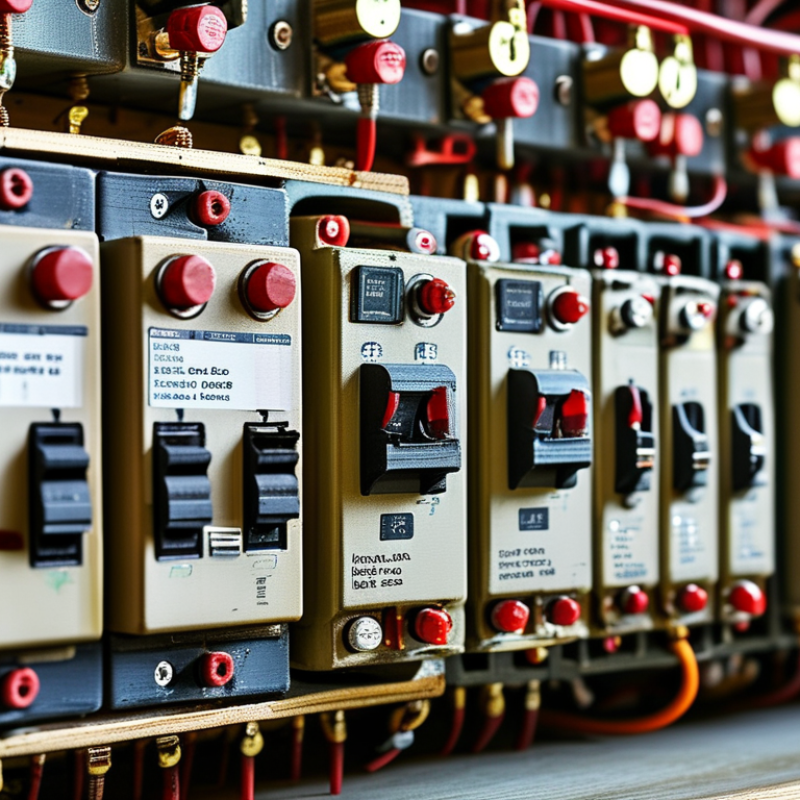
How to Choose the Right Fuse and Relay Box for Your Needs?
When it comes to electrical systems, choosing the right Fuse And Relay Box is crucial. These components protect circuits and ensure safety. A reliable Fuse and Relay Box can prevent damage from overloads and short circuits. Understanding your needs is the first step in making the right choice.
Each vehicle or application has its unique requirements. Consider the voltage, current ratings, and the number of circuits. Working with professionals can provide valuable insights. Still, do your research to understand the basics. This knowledge can empower you to make informed decisions.
Selecting a Fuse and Relay Box may not seem straightforward. There can be confusion over specifications. Reflecting on your specific demands is essential for optimal performance. Balancing quality with cost is often challenging. However, a well-made Fuse and Relay Box ultimately ensures safety and reliability.
Understanding the Basics of Fuse and Relay Boxes
Understanding the basics of fuse and relay boxes is crucial for any electrical project. These components protect circuits from overloads and unnecessary damage. A fuse provides a physical break in the circuit, while a relay acts as a switch. Knowing their functions helps you choose the right components.
When selecting a fuse box, consider the total amperage you need. Each fuse has a specific rating, designed to stop current flow during overloading. Choosing the wrong rating can lead to circuit failure. Similarly, relays have different types and ratings, affecting their performance. It’s important to match them to your system's requirements.
Also, think about the installation environment. Fuse and relay boxes must withstand temperature and moisture. Improper placement can lead to malfunction. Look for boxes that offer durability and ease of access for maintenance. Reflect on past experiences when selecting components; a quick decision can lead to future challenges.
Identifying Your Electrical Needs and Requirements
Choosing the right fuse and relay box for your needs begins with understanding your electrical requirements. Analyze your electrical system. Check the total load of your circuits. Calculate the amperage requirements accurately. Knowing how much power your devices consume is crucial. This ensures your safety and efficiency.
Look at the specific needs of your appliances. Some may need more protection. For instance, motors require different fuses than lighting circuits. This is a detail often overlooked. Not all fuses are created equal. Identifying these differences can prevent damage and enhance performance.
Also, consider your installation environment. Will it be exposed to moisture or heat? This can affect your choice. Use materials that withstand your conditions. A reliable setup can save time and cost on replacements. Reflect on your past experiences—did you face issues with your previous choices? Learn from them. A detailed checklist can help guide your decision-making process.
Evaluating Different Types of Fuses and Relays
When evaluating different types of fuses and relays, it’s crucial to understand their roles in electrical systems. Fuses provide overcurrent protection, while relays manage the flow of electricity. Both components are essential for safety and efficiency. Poor choices can lead to equipment damage or failures, so thorough research is vital.
There are various kinds of fuses, such as blade fuses and ceramic fuses. Blade fuses are common in automotive applications, offering straightforward installation and replacement. Ceramic fuses, on the other hand, are often used in high-voltage situations. When selecting a fuse, consider the current and voltage ratings. Not every fuse type suits all environments.
Relays come in multiple types too, including electromagnetic and solid-state relays. Electromagnetic relays provide a physical switch action but may wear out over time. Solid-state relays offer longer lifespans and faster switching. However, they can sometimes generate heat that requires dissipation. Choosing the right relay involves understanding load characteristics and environmental factors. Each option has its pros and cons; careful consideration is essential for optimal performance.
How to Choose the Right Fuse and Relay Box for Your Needs? - Evaluating Different Types of Fuses and Relays
| Type | Rating (Amps) | Voltage (Volts) | Application | Features |
| Blade Fuse | 5-30 | 32 | Automotive | Compact, Easy to Replace |
| Glass Tube Fuse | 1-30 | 250 | Home Appliances | Transparent, Visual Inspection |
| Ceramic Fuse | 5-60 | 500 | Industrial | High Breaking Capacity |
| Micro Relay | 10-30 | 12 | Automotive | Compact, Low Power Consumption |
| Standard Relay | 10-40 | 12/24 | Various | Versatile, High Load Capacity |
Assessing Compatibility with Your Vehicle or Equipment
When selecting a fuse and relay box, compatibility with your vehicle or equipment is pivotal. Each vehicle often requires specific ratings and configurations. According to the National Highway Traffic Safety Administration (NHTSA), improper fuse choice can lead to electrical issues, risking both functionality and safety. Many models use blade fuses, while others utilize cylindrical ones; understanding your specific needs is crucial.
Research indicates that around 30% of electrical failures in cars are linked to faulty fuses and relays. Thus, choosing the right components ensures reliability. For instance, a relay box designed for high-current applications must match your vehicle's requirements. It’s not merely about fitting into existing slots; the specification must align with operational parameters. This alignment can prevent overheating and protect sensitive electronics.
Some users may overlook the importance of checking compatibility, leading to potential issues like short circuiting or fuse blowing. The complexity of electrical systems sometimes makes it hard to gauge if a fuse box will work. A wrong assumption may not reveal itself until it’s too late. Seeking professional advice can often mitigate these risks. Always refer to manufacturer specifications to guide your selection process and ensure long-term functionality.
Installation and Maintenance Tips for Fuse and Relay Boxes
Installing a fuse and relay box requires careful attention to detail. Begin by reading the manufacturer's instructions thoroughly. This ensures you understand all requirements for installation. Consider the location of the box. It should be easily accessible for maintenance. A cluttered area can make future repairs difficult. Use appropriate tools for the job, like pliers and wire strippers, to avoid mistakes.
Once installed, regular maintenance is crucial. Check for signs of wear and corrosion at least twice a year. Look for loose connections or damaged wires. These can lead to failures, impacting system performance. Don’t ignore unusual sounds or smells; they can indicate issues. Keeping your fuse and relay box clean helps maintain its functionality.
Before replacing any fuses, ensure you know the amperage requirements. Installing the wrong fuse can create safety hazards. Some installations may require a professional’s touch, especially if unsure about the electrical system. A small oversight can lead to significant problems. Reflection on past projects can help improve future installations.