Why Choose Plastic Hollow Floating Balls for Your Business?
When considering materials for your business, Plastic Hollow Floating Balls stand out as a versatile option. According to industry reports, the global market for these balls is expected to surpass $100 million by 2025, driven by their unique properties. These lightweight, durable products offer various applications, including water treatment and recreation.
Plastic Hollow Floating Balls are known for their buoyancy and resistance to harsh chemicals. They are often favored in pond and aquarium settings for their ability to enhance aesthetics while providing practical solutions. However, choosing the right type can be challenging, as not all floating balls are created equal.
It's essential to weigh the benefits and limitations of Plastic Hollow Floating Balls for your specific uses. While they are cost-effective and easy to handle, durability under extreme conditions can vary. Businesses should examine their long-term requirements and consider feedback from other users in the industry.
Understanding Plastic Hollow Floating Balls and Their Benefits
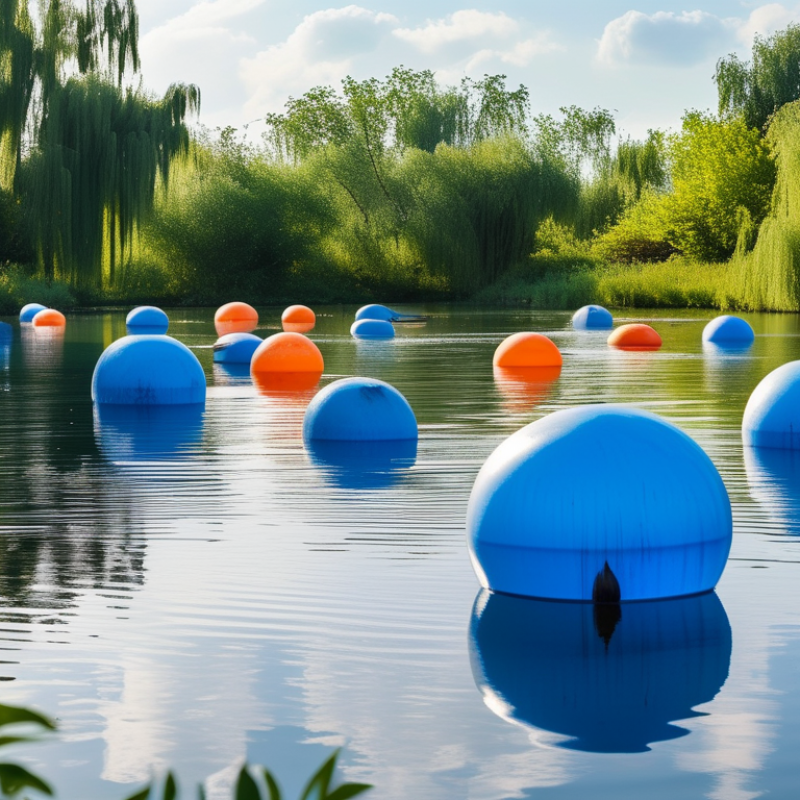
Plastic hollow floating balls are versatile tools for various industries. Made from durable plastic, they offer benefits in both function and design. These balls are lightweight yet sturdy, making them ideal for applications like water management, aquaculture, and even recreational uses. Their buoyant nature ensures they stay on the surface, effectively serving their purpose without sinking.
One key advantage is their resistance to corrosion and UV degradation. This durability translates to a longer lifespan compared to traditional materials. They maintain their integrity even in harsh weather conditions, making them suitable for outdoor use. However, not all floating balls are the same. Quality can vary, and it's essential to choose the right specifications for your needs.
Depending on your application, size and color options can impact visibility and functionality. A poor choice might lead to inefficiencies or even product failure. Taking the time to assess your requirements can save problems down the road. Ultimately, while plastic hollow floating balls present many advantages, it’s vital to understand your unique needs for optimal results.
Why Choose Plastic Hollow Floating Balls for Your Business? - Understanding Plastic Hollow Floating Balls and Their Benefits
| Feature | Description | Benefit |
| Lightweight | Made from lightweight plastic materials | Easy handling and transportation |
| Buoyancy | Designed to float on water | Ideal for various applications, including ponds and pools |
| Durability | Resistant to wear and tear, UV stable | Long-lasting performance in outdoor settings |
| Versatility | Available in various sizes and colors | Suitable for different industries and applications |
| Environmental Friendliness | Made from recyclable materials | Contributes to sustainability efforts |
Key Applications of Plastic Hollow Floating Balls in Various Industries
Plastic hollow floating balls are increasingly popular in various industries due to their versatility and durability. In water treatment, these balls act as effective surface floatation devices. They help minimize evaporation and control algae growth in large water bodies. Their buoyant properties make them suitable for such tasks, but improper installation can lead to reduced effectiveness.
These floating balls also find applications in the Agriculture sector. They are used in irrigation systems to keep water levels consistent, ensuring crops receive adequate hydration. The balls can sometimes degrade in harsh environmental conditions. Regular inspections can help address potential issues here.
In the Chemical Industry, plastic hollow floating balls are valuable in protecting sensitive equipment. They create barriers that reduce exposure to harmful substances. However, choosing the right material is crucial. Some plastics may not endure the chemicals present, leading to unforeseen complications. Proper research and selection can mitigate these risks and enhance performance.
Comparing Plastic Hollow Floating Balls to Other Floating Materials
When considering floating materials for business applications, plastic hollow floating balls present unique advantages. They are lightweight yet durable, making them ideal for buoyancy tasks. Unlike solid alternatives, these balls reduce overall weight without compromising strength. This attribute is particularly beneficial in environments where weight is a critical factor.
Moreover, plastic hollow floating balls offer exceptional resistance to corrosion and UV damage. In contrast, materials like metal or wood can deteriorate under harsh conditions. Wooden items may absorb water, losing their buoyant properties. Metals, on the other hand, can rust and weaken over time. The longevity of plastic hollow balls can minimize replacement costs and maintenance efforts, which is valuable for businesses aiming for efficiency.
However, businesses should consider the environmental aspect as well. Plastic, if not recycled properly, contributes to pollution. Thus, an option like biodegradable floating materials could be explored. While these alternatives offer less buoyancy, they can promote sustainable practices. In conclusion, weighing the benefits of plastic hollow floating balls against environmental impacts is crucial for informed decision-making.
Factors to Consider When Choosing Plastic Hollow Floating Balls
When selecting plastic hollow floating balls for your business, several crucial factors come into play. The buoyancy and weight capacity of these balls are fundamental. According to industry reports, the average buoyancy rating for such products ranges from 0.5 to 5 kilograms. Choosing the right weight capacity ensures adequate performance for specific applications, such as aquaculture, flotation devices, or environmental monitoring. Each application demands different specifications, emphasizing the need for careful evaluation.
Material quality is another significant consideration. High-density polyethylene (HDPE) is often favored for its durability and resistance to environmental factors. A study from the Environmental Protection Agency indicates that products made from HDPE can last up to 25 years. However, it is essential to check for variations in chemical resistance, as some might degrade sooner.
Tip: Always request material safety data sheets (MSDS) before making a purchase. This ensures you understand the environmental impact and longevity.
Design features also matter. Some floating balls offer specific surface textures or colors that enhance visibility and performance. However, not all designs suit every environment. For instance, while textured surfaces can prevent algae buildup, they might create drag in water currents. Balancing aesthetics with functionality can be challenging but is necessary for optimal results.
Tip: Assess the operational environment before finalizing your choice. Matching specs with your setting leads to better operational efficiency.
Environmental Impact and Sustainability of Plastic Hollow Floating Balls
The environmental impact of plastic hollow floating balls has become increasingly important for businesses. These products offer a lightweight and durable solution for various applications. According to a recent industry report, the use of plastic floating balls can significantly reduce water evaporation in agricultural fields. This conservation helps in optimizing water resources, which is critical in our changing climate.
However, there is a need for reflection on the lifecycle of these plastic products. The production of plastics often generates greenhouse gases. A study highlighted that about 8% of global emissions come from plastic production. This data points to the necessity for businesses to adopt sustainable practices. Encouragingly, innovations in recycling technologies are developing, and businesses can choose to support these initiatives.
Tips: Opt for suppliers that focus on recycled materials. Regularly educate your team about the environmental consequences of plastic use. Engage in local clean-up initiatives to offset the impact of your operations. Every small step helps in creating a more sustainable future. By becoming more aware, businesses can balance performance and environmental responsibilities effectively.