How to Choose the Right Hand Retractable Spring Plunger?
Choosing the right Hand Retractable Spring Plunger is essential in various applications. According to industry reports, the demand for precision fasteners has grown by 8% annually. This growth is driven by advancements in automation and manufacturing efficiency. As companies seek reliable solutions, understanding specific needs becomes critical.
A Hand Retractable Spring Plunger allows quick engagement and release, making it valuable for numerous mechanical setups. However, selecting the appropriate one isn't always straightforward. Factors such as load capacity, material, and size greatly influence performance. Many users overlook these details, leading to inefficiencies and increased costs. The right choice can enhance operational efficiency significantly, while the wrong one can hamper productivity.
When diving into specifications, it’s essential to think about application specifics. Generic solutions may seem convenient but often lack the required durability. Inadequate understanding can lead to frequent replacements or failures. As you explore options, consider not only what’s available but also what your application truly requires. Balancing cost with quality is key, ensuring long-term satisfaction and effectiveness.
Understanding the Functionality of Hand Retractable Spring Plungers
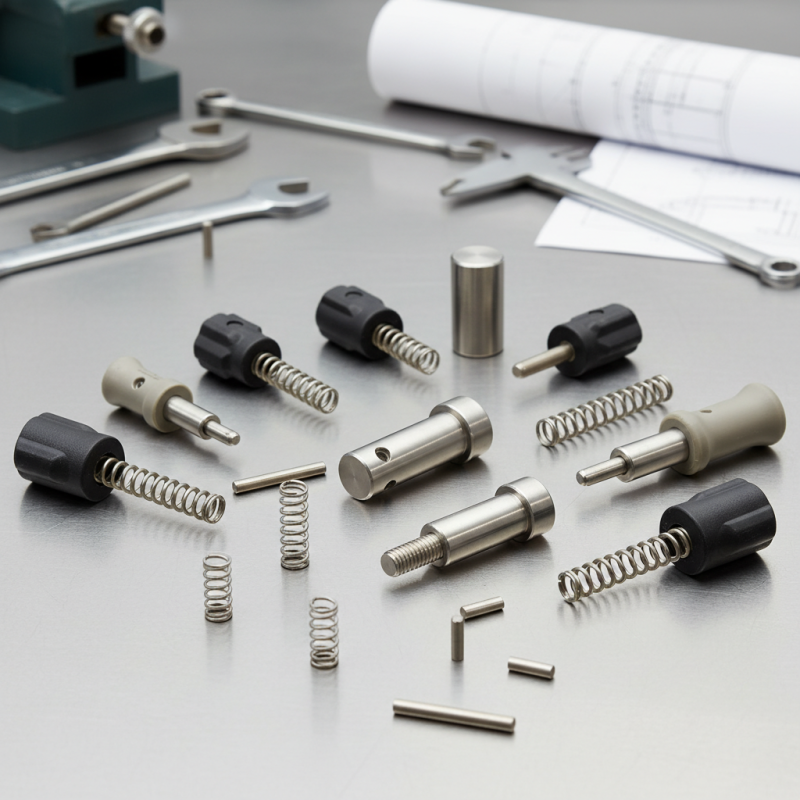
When choosing a hand retractable spring plunger, understanding its functionality is crucial. These devices serve a specific purpose: to create a secure hold and allow for quick release. They operate through a spring mechanism, which retracts the plunger when needed, providing convenience for various applications. The design is simple yet highly effective, making them ideal for tasks that require frequent adjustments.
A typical hand retractable spring plunger features a knob for easy operation. Users push down on the knob, and the plunger locks in place, ensuring security. Releasing it is as simple as pulling the knob back up. This straightforward functionality makes them suitable for both novice and experienced users. However, not all plungers fit every scenario. Understanding load capacities and materials is essential. An inappropriate choice can lead to equipment failure or safety hazards.
Consideration of the environment is also significant. Some materials may not withstand extreme temperatures or corrosive substances. Additionally, regular maintenance is often overlooked but vital for longevity. Over time, springs may weaken, impacting effectiveness. Users must regularly assess performance to ensure reliability. Thus, choosing the right hand retractable spring plunger involves more than just selecting a model; it requires a thorough understanding of function and application.
Key Factors to Consider When Choosing a Spring Plunger
When selecting a hand retractable spring plunger, several key factors demand attention. The material of the plunger is essential. Common materials include stainless steel and plastic. Stainless steel offers durability, while plastic can provide lightweight options. Consider the working environment; rust resistance may be crucial in humid areas.
Compatibility is another vital aspect. Ensure the plunger fits your application’s requirements. Misalignment can lead to premature failure. Check dimensions and load capacities carefully. A wrong choice can generate significant frustration.
**Tips:** Choose a plunger with a firm grip for ease of use. Avoid overly complicated designs that can complicate maintenance. Test the plunger under real conditions before finalizing your choice. This trial can reveal unexpected flaws. Inadequate trials might lead to poor long-term performance. Each application can have unique demands, so adjustments may be necessary. Always have a backup plan in case of malfunction.
Material Options for Durability and Performance in Plungers
When selecting a hand retractable spring plunger, material choice greatly influences durability and performance. Common materials include stainless steel, zinc-plated steel, and plastic. Stainless steel plungers are known for their rust resistance and strength. According to industry reports, stainless steel can withstand up to 2000 psi of pressure, making it a preferred choice in demanding applications. Zinc-plated options are cost-effective but less durable under harsh conditions.
Plastic plungers serve well in non-corrosive environments. They are lightweight and offer adequate resistance to chemicals. However, they might not withstand heavy loads. An engineering study highlighted that plastic plungers should only be used in applications with lower mechanical stress to prevent failures.
When choosing materials, assess the environment. For instance, in humid or corrosive settings, prioritize stainless steel for longevity. Remember to consider load requirements and application specifics.
Tip: Always consult material specifications from reliable sources before making a decision. This step ensures you select the best option for your needs.
Furthermore, reflect on the intended use of the plunger. Sometimes, the most expensive option is not the best fit. Balance performance requirements with cost-effectiveness. Evaluate how the plunger will be used before finalizing your choice. This can lead to better results and longer service life.
How to Choose the Right Hand Retractable Spring Plunger? - Material Options for Durability and Performance in Plungers
| Material | Durability Rating | Temperature Resistance | Corrosion Resistance | Load Capacity |
| Stainless Steel | High | -200°C to 400°C | Excellent | Medium |
| Aluminum | Medium | -50°C to 150°C | Good | Low |
| Plastic (Nylon) | Medium | -40°C to 120°C | Fair | Very Low |
| Brass | High | -10°C to 300°C | Good | Medium |
| Carbon Steel | Medium | -20°C to 200°C | Poor | High |
Common Applications for Hand Retractable Spring Plungers
Hand retractable spring plungers are versatile components. They play a crucial role in various industries. Their functionality is evident in applications like machine tools and jigs. They provide quick and simple locking mechanisms. In assembly lines, these plungers allow for efficient part alignment. They are also useful in furniture assembly. Users can easily secure components without complex tools.
These plungers excel in environments where speed is a priority. For instance, in automotive manufacturing, they facilitate rapid adjustments. In laboratory setups, they can stabilize equipment easily. However, using them incorrectly can lead to malfunction. It's essential to ensure they are the right fit for the designated task. Over time, wear and tear may affect their reliability. Regular maintenance and checks with specifications can prevent issues.
Choosing the right plunger means understanding the requirements of your application. Consider factors like load capacity and environmental conditions. A poorly chosen plunger can disrupt workflow. Observing how they integrate with existing systems is vital. Each application demands a specific plunger design. Thinking critically about these elements ensures effective use of hand retractable spring plungers.
Maintenance Tips to Ensure Longevity of Your Spring Plunger
Maintaining a hand retractable spring plunger is essential for its performance and longevity. Regular inspection is key. Check for signs of wear or rust. Corrosion can lead to failure. It’s important to keep the plunger clean and free from debris. Use a soft cloth to remove any dirt. Make sure the shaft moves smoothly. If it doesn’t, the internal mechanism might be damaged.
Lubricating the plunger is another crucial step. Use a suitable lubricant to prevent friction. A little goes a long way. Avoid over-lubricating, as this can attract more dirt. Store the plunger in a dry environment to avoid moisture damage. Excess moisture can corrode metal parts, leading to malfunction.
Don't overlook temperature changes. Extreme heat or cold can affect spring tension. Note any changes in performance. This might be a sign it's time for replacement. Taking these small steps can make a significant difference in the lifespan of your spring plunger. Reflect on your routine and adjust as necessary for optimal maintenance.
Spring Plunger Maintenance Tips