How to Choose the Best Industrial Network Switch for Your Needs?
Choosing the right industrial network switch can be challenging. The market offers many options, each with unique features. This decision impacts network performance and reliability significantly.
An industrial network switch is crucial for seamless communication between devices. It connects various components in demanding environments. Understanding your needs is essential to make a smart choice. Consider factors such as data transfer rates, the number of ports, and durability. The switch must withstand harsh conditions and operate flawlessly.
However, many people overlook specific requirements. Some switches may not support certain protocols you need. Others might lack the necessary port density. It's vital to reflect on your specific applications. Conduct thorough research and evaluate, even if it seems overwhelming at first. Your investment in an industrial network switch will pay off in improved efficiency and reduced downtime.
Understanding the Different Types of Industrial Network Switches
Choosing the right industrial network switch is vital for efficient operations. Different types of switches serve distinct purposes. For example, managed switches offer advanced features. They allow for monitoring and configuration of network traffic. This can improve performance in complex environments.
On the other hand, unmanaged switches are simpler and often less expensive. They are suitable for basic connectivity. A 2022 report by IHS Markit indicates that managed switches are expected to dominate the market, capturing over 60% of sales. However, in smaller setups, unmanaged switches may still play a key role.
Layer 2 switches focus on data link layer operations. They handle local traffic efficiently. Layer 3 switches operate at the network layer, enabling routing capabilities. Some industries might prioritize speed over complexity. Yet, this focus can lead to oversights, like neglecting security measures. It's crucial to strike a balance between functionality and safety in industrial environments. Make informed choices based on specific needs and operational demands.
Key Features to Consider When Selecting an Industrial Network Switch
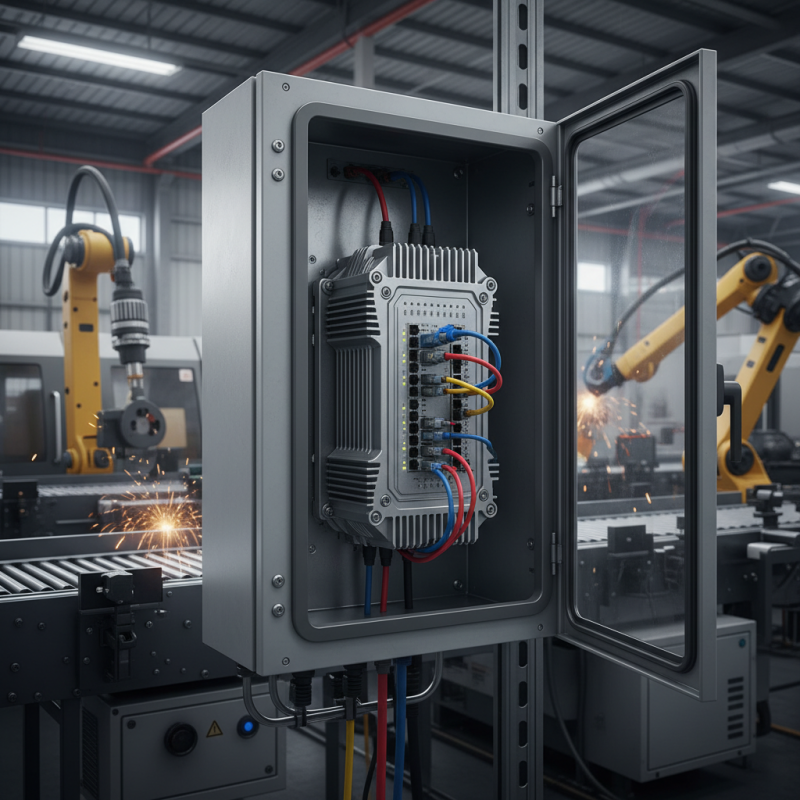
When selecting an industrial network switch, several key features stand out. One crucial aspect is the switch's durability. Industrial environments can be harsh, with extremes in temperature and humidity. Data suggests that a robust switch can operate in conditions ranging from -40°C to 75°C. Such resilience is vital for maintaining network reliability.
Port configuration is another important consideration. Most industrial applications require varying numbers of ports. A study revealed that 70% of users prefer a mix of fast and gigabit ports. This flexibility allows for future expansion. Furthermore, Power over Ethernet (PoE) support is valuable. It simplifies installations by powering devices directly through the Ethernet cable.
Security is often overlooked, but it is critical. Many switches now come with advanced features like VLAN tagging and port security. Statistics show that 40% of industrial networks faced security breaches in the past year. As technology evolves, addressing these risks is essential for long-term network integrity. Choosing the right features can lead to a more resilient and secure network environment.
Industrial Network Switch Features Comparison
Evaluating Environmental Factors for Industrial Network Switches
When choosing an industrial network switch, environmental factors play a critical role. These switches operate in harsh conditions. High temperatures can lead to overheating. Dust and moisture can cause electrical failures. It is essential to assess the specific environment where the switch will be used.
If you are in a factory, consider vibration and shock. Switched must withstand these conditions. IP ratings can help. Look for switches that offer high levels of ingress protection. This indicates how well the device can resist dust and moisture. In a wet environment, special coating or enclosures may be necessary.
Evaluate power supply requirements too. Some environments may lack stable power sources. Uninterrupted power supplies (UPS) can be crucial. Cooling solutions deserve thought, especially in cramped spaces. You might find some switches overheat rapidly if airflow is limited. Each detail matters, and overlooking one can lead to significant downtime later.
Assessing Performance Metrics and Specifications
When selecting an industrial network switch, understanding performance metrics is crucial. Key specifications include throughput, latency, and port density. Throughput is the data transfer rate. A higher rate ensures faster communication. Latency refers to delay times. Low latency is vital in industrial settings. It prevents slowdowns in critical operations. Port density measures how many devices a switch can connect. More ports allow for greater flexibility in expanding networks.
Additionally, other factors should not be overlooked. For instance, the power consumption of a switch can impact long-term costs. It is essential to consider energy efficiency. Redundancy features enhance reliability. They help maintain operations during equipment failures. However, these additional features can complicate the decision-making process. Overthinking specifications may lead to missed opportunities. Balance is necessary. Evaluate what aligns with your specific operational needs. Many switches offer a plethora of features. Choose wisely to avoid overpaying for unnecessary functionalities.
Budget Considerations for Industrial Network Switch Selection
Choosing the right industrial network switch involves careful budget considerations. Understanding your needs is essential for avoiding overspending. Determine the required features first. This might include the number of ports, speed, and additional functionalities. An economical choice might meet basic requirements, but it may lack advanced features.
Some might opt for higher-end options, believing they offer better reliability. However, this is not always the case. It is possible to find quality switches within a reasonable budget. Researching available options is crucial. Compare prices and features across different manufacturers. Don't rush into a decision without assessing long-term benefits.
Consider the total cost of ownership as well. Sometimes, a low upfront cost can lead to higher maintenance expenses. Reflecting on the warranty and support can help in evaluating long-term value. Be cautious of hidden costs that might arise. A slightly higher initial investment might save money down the road. Aim for a balance that meets both immediate and future needs.