How to Choose the Right Butterfly Valves for Your Needs?
Selecting the appropriate butterfly valves is vital for various industrial applications. According to recent industry reports, the butterfly valves market is projected to reach $5.64 billion by 2026, growing at a CAGR of 5.1%. This growth reflects their increased usage in sectors like water treatment and oil and gas. Butterfly valves offer advantages such as lightweight design and quick operation, making them popular choices.
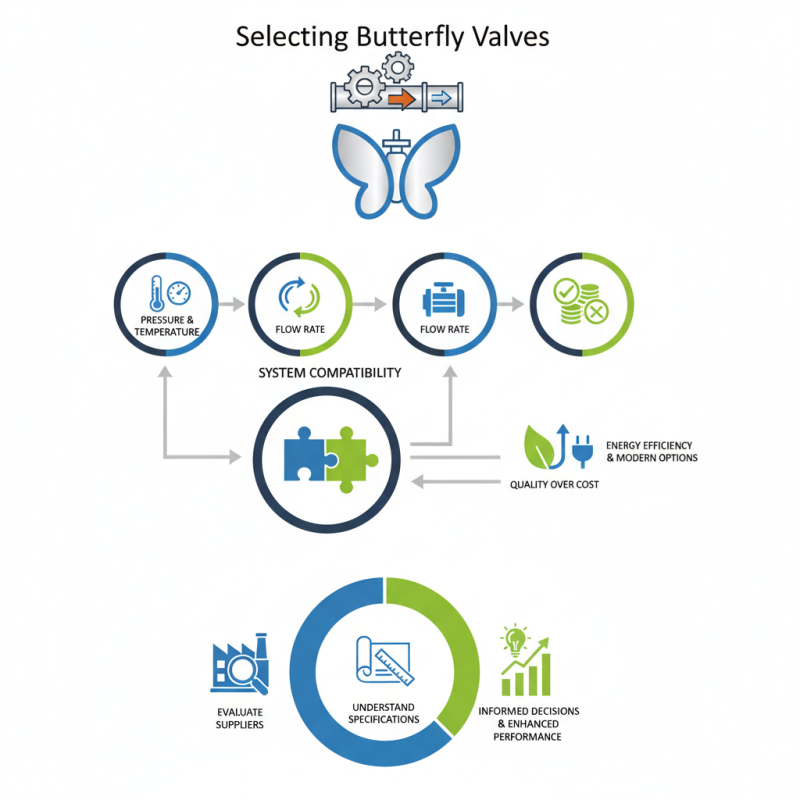
However, choosing the right butterfly valves can be complex. Factors like pressure, temperature, and flow rate must be considered. Many professionals overlook the importance of compatibility with existing systems. A mismatch can lead to inefficiencies and increased maintenance costs. Market trends indicate an emphasis on energy efficiency, yet many still prefer traditional designs without analyzing the long-term benefits of modern options.
In purchasing butterfly valves, buyers should emphasize quality over cost. Not all manufacturers adhere to strict quality standards. Some may compromise on materials, leading to early failures. Therefore, evaluating suppliers and understanding the specifications is crucial. Making informed decisions can prevent costly mistakes and enhance overall system performance.
Understanding Butterfly Valve Types: A Comprehensive Overview
When selecting butterfly valves, understanding the various types is essential. These valves vary in design, material, and operations. For example, resilient-seated butterfly valves are commonly used in water applications. They provide a tight seal, yet their structure may not withstand extreme temperatures.
Consider the application. If high pressure and temperature are factors, you might explore metal-seated options. These valves can handle tougher conditions, but they may compromise on sealing capabilities. Remember, balance is crucial. Choosing a valve that performs well under specific conditions can lead to operational efficiency.
Tips: Evaluate the medium flowing through the valve. Is it corrosive? Will it contain solids? Selecting the right material is vital. Stainless steel or PVC could be good choices based on your needs. Always test compatibility before finalizing your selection. Mistakes can be costly.
Also, think about installation space. Some butterfly valves require more clearance than others. This aspect can influence your decision significantly. Forgetting about installation ease can lead to complications down the line. Always plan ahead to avoid future hassles.
Key Factors Influencing Butterfly Valve Selection: Size, Material, and Pressure
Choosing the right butterfly valve involves key considerations like size, material, and pressure. Size significantly impacts performance. A valve too large or small can lead to inefficient flow control. According to the American Valve Manufacturer Association, about 30% of system failures stem from improper valve sizing. Accurate measurements are crucial. The diameter should match the pipe’s internal diameter.
Material selection is equally vital. Different applications require specific materials for durability. For example, stainless steel is ideal for corrosive environments. A recent report from the Pipeline Industries Guild states that improper material choice can reduce valve lifespan by 50%. This can lead to costly replacements and maintenance.
Pressure ratings also dictate valve performance. Valves should withstand system pressure without leaking. The National Association of Corrosion Engineers highlights that many failures occur when actual pressure exceeds designed limits. Inspecting pressure ratings and ensuring compatibility is essential. Many overlook this, resulting in operational issues. Understanding these factors can prevent future complications.
The Role of Pressure Ratings and Temperature Ranges in Valve Performance
When selecting butterfly valves, understanding pressure ratings and temperature ranges is crucial for optimal performance. A valve's pressure rating indicates the maximum pressure it can handle without failing. It's essential to choose a valve that matches or exceeds the system's pressure requirements. For instance, if your application operates at high pressure, a valve with a higher rating will ensure safety and durability.
Temperature ranges also play a significant role in valve operation. Each valve material is designed to perform within specific temperature limits. If the temperature exceeds the rated range, it can lead to material failure or leaks. Conversely, too low temperatures might result in brittleness in some materials. Always check the material specifications carefully.
**Tips:** Check the environment where the valve will be used. Is it outdoors? Will it face extreme temperatures? Confirm that the valve you choose aligns with your application conditions. Remember, a mismatch can lead to poor performance or failures that are costly. Always assess both the pressure and temperature ratings before making a decision.
How to Choose the Right Butterfly Valves for Your Needs?
| Valve Type |
Pressure Rating (PSI) |
Temperature Range (°F) |
Material |
Applications |
| High Performance Butterfly Valve |
150 |
-20 to 300 |
Stainless Steel |
Chemical Processing |
| Lug Butterfly Valve |
200 |
0 to 250 |
Cast Iron |
Waterworks |
| Wafer Butterfly Valve |
100 |
-10 to 180 |
PVC |
HVAC Systems |
| Tri-Clamp Butterfly Valve |
75 |
-20 to 200 |
316L Stainless Steel |
Food and Beverage |
Industry Standards and Certifications for Butterfly Valves: What You Need to Know
When selecting butterfly valves, it's crucial to consider industry standards and certifications. These standards ensure quality and safety in valve performance. The American National Standards Institute (ANSI) and the American Society of Mechanical Engineers (ASME) regularly publish guidelines. In 2021, nearly 25% of industries reported issues with valve failures due to non-compliance with these standards.
Different industries may have varying certification needs. For example, valves in the food and beverage sector require certifications from the Food and Drug Administration (FDA). In contrast, valves used in oil and gas must meet specifications set by the American Petroleum Institute (API). Not understanding these requirements can lead to costly mistakes or regulatory penalties.
Data from a recent market report indicates that over 32% of manufacturers fail to meet the required standards, leading to product recalls. Ensuring compliance not only improves operational efficiency but also enhances safety. Regular audits can help identify gaps in compliance. Neglecting these practices could compromise the integrity of your systems and processes, impacting overall performance.
Industry Standards and Certifications for Butterfly Valves
Maintenance and Longevity: Ensuring Optimal Performance of Butterfly Valves
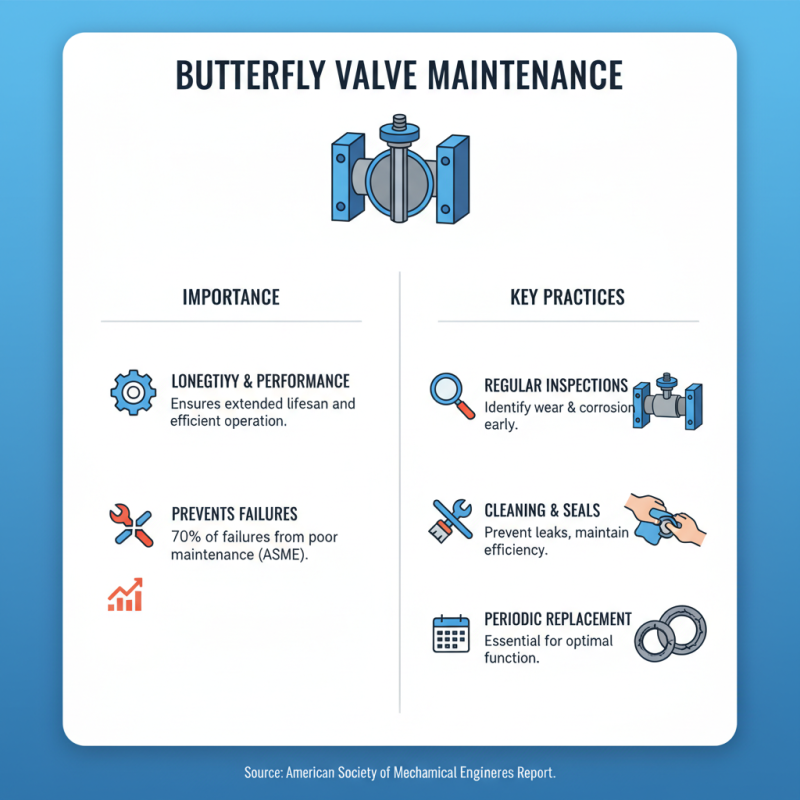
Regular maintenance of butterfly valves is crucial for ensuring their longevity and optimal performance. According to a report from the American Society of Mechanical Engineers, nearly 70% of valve failures are due to inadequate maintenance practices. Regular inspections can identify issues such as wear and corrosion before they lead to significant failures. Cleaning and replacing seals periodically is essential to prevent leaks and maintain efficient operation.
Moreover, the environmental conditions where the valves are installed can greatly affect their lifespan. For instance, high temperatures and corrosive substances can accelerate wear. A study by the Valve Manufacturers Association highlights that valves exposed to unfavorable conditions require over 30% more maintenance. Operators must remain vigilant and adapt their maintenance schedules accordingly, as neglect can lead to costly downtime and repairs.
In some cases, even well-maintained valves can exhibit performance issues. Common problems include improper alignment or torque settings that lead to premature failure. It's vital to review and adjust these parameters regularly. Reflection on past performance can guide improvements, ensuring that the valves remain effective over time. Regular training for staff on best practices in valve maintenance can also prove invaluable.