
Email Id: sale@adctooling.com
Choosing the right Ring Main Switch begins with the network, not the product brochure. A 12 kV label alone reveals very little. Engineers must examine load current, short-circuit level, earthing method, switching frequency, installation altitude, and future expansion. IEC 62271-200 provides a key reference for metal-enclosed AC switchgear, while IEC 62271-103 addresses high-voltage switches. These standards help, but they do not replace site experience.
The pressure is increasing. The IEA’s Electricity 2024 report forecasts global electricity demand growth of about 4% in 2024 and 2025. Its grid report also warns that more than 80 million kilometres of grids may require new construction or replacement by 2040. Fatih Birol, Executive Director of the IEA and a recognised energy-system expert, stated, “The world’s electricity grids are not ready for the massive expansion of clean energy.” His warning applies directly to medium-voltage distribution equipment.
A suitable Ring Main Switch should balance safety, reliability, maintainability, and total ownership cost. SF6-free designs deserve careful attention, especially where emissions policies and internal environmental targets matter. Compact units can save valuable substation space. They may also complicate inspection access. That trade-off is easy to overlook.
Real projects are rarely perfect. Incomplete fault data, changing loads, or rushed procurement can weaken an otherwise sound selection. This guide examines the practical questions behind ratings, protection, insulation, automation, service support, and lifecycle performance. It is not a substitute for a qualified engineer’s verification, but it can make the decision more disciplined.
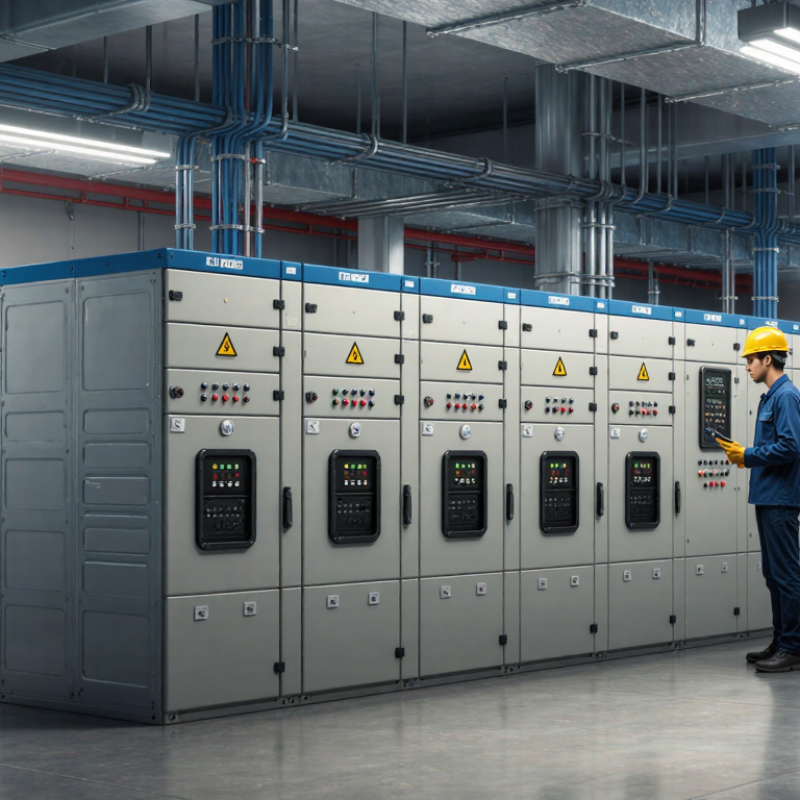
A ring main switch is a switching device used in medium-voltage distribution networks. It connects two cable sections, forming a loop around several substations. Power can travel from either direction. If one cable develops a fault, operators can isolate that section and restore supply through the opposite route.
The switch normally carries load current and opens or closes the circuit under specified conditions. Some units include earthing switches, fuses, or circuit breakers for safer maintenance and fault protection.
The enclosure protects internal parts from dust, moisture, and accidental contact. Clear position indicators matter.
Small details matter.
Choosing the right ring main switch starts with the network voltage, continuous current, and short-circuit rating. The switch must also match the required load-breaking duty and insulation level.
Check cable size, earthing arrangements, operating frequency, and installation altitude. Outdoor sites may need stronger weather protection. Indoor rooms still need ventilation and access space.
A common mistake is selecting by current rating alone.
That approach can miss fault energy, switching frequency, or mechanical interlocking needs. Engineers should review system diagrams, protection coordination, and maintenance procedures before approval.
Independent testing and documented factory data improve confidence. The final choice should fit the entire network, not just one feeder.
Even experienced teams can overlook future load growth.
How to Choose the Right Ring Main Switch?
Choosing a ring main switch starts with electrical ratings, not cabinet appearance. Check the rated voltage against the network’s highest operating voltage. A small mismatch can reduce insulation safety. Confirm the rated normal current, such as 630 A, against the transformer and feeder load. Also examine the short-time withstand current and duration. A 20 kA rating for three seconds is not equivalent to 20 kA for one second. The peak withstand current matters during the first fault cycle. IEC 62271-200 also highlights insulation coordination, switching performance, and internal arc classification for medium-voltage assemblies. These details affect personnel protection and service continuity.
The IEA’s Electricity Grids and Secure Energy Transitions report estimates that 80 million kilometres of grids must be added or refurbished by 2040. That expansion makes accurate switchgear selection more important, especially where future loads may rise. Check frequency, making capacity, breaking capacity, earthing-switch ratings, and mechanical endurance. Confirm whether the unit handles load switching or only fault isolation. Temperature, altitude, humidity, and enclosure protection can change the practical rating. Datasheets sometimes look complete. They are not always complete for your site.
Tips: Request the fault-level study, not just a catalogue value. Compare service voltage, load current, and prospective short-circuit current. Ask for test certificates linked to IEC requirements. Leave reasonable capacity for expansion, but avoid paying for ratings your network cannot use. A site engineer should verify the final choice.
Choosing a ring main switch starts with the system duty, not the enclosure. The key question is simple: does the feeder need isolation, load switching, or fault interruption?
A load-break switch suits routine switching and network segregation. A circuit breaker is better when short-circuit protection and selective tripping matter. Fused switches can limit fault energy, but replacement planning is easy to overlook. It should not be.
The IEA Electricity 2024 report forecasts global electricity demand to grow by an average 3.2% annually from 2024 to 2026. That pressure makes flexible distribution important.
For a 12 kV urban feeder, verify rated voltage, continuous current, short-time withstand current, peak withstand, and breaking capacity. Then check coordination with upstream relays and downstream transformers. IEC 62271-200 also highlights internal-arc classification, service continuity, and compartment design. A tidy panel is not automatically a safe panel.
Choose AIS when space, contamination control, and inspection access are manageable. Choose GIS when humidity, salt, dust, or limited space creates serious constraints. Vacuum interruption can reduce routine environmental concerns, yet cable testing and switching transients still deserve review.
Motorized operation supports remote networks, but adds controls, batteries, and failure points. Ask for tested interlocks, earthing switches, mechanical endurance, and maintenance intervals.
Field teams should simulate a real outage: one feeder isolated, another carrying load, and safe access maintained. Specifications are often copied. That is where mistakes begin. Recheck the fault study against transformer impedance and future load growth.
Safety and compliance should guide every ring main switch selection. A suitable unit needs a clearly marked load-break switch, an independent earthing switch, and reliable mechanical interlocks. These features prevent unsafe switching sequences during maintenance. The operating position should remain visible from outside the enclosure. Small details matter.
Check the switchgear’s rated voltage, short-circuit withstand, and load current against the installation design. Internal arc classification can reduce injury risks if an internal fault occurs. Pressure relief paths should direct hot gases away from operators. The enclosure should provide suitable IP protection against dust and moisture. In harsh locations, corrosion-resistant materials and sealed cable compartments deserve close attention.
Request type-test evidence, routine-test records, installation instructions, and conformity documents from the supplier. Confirm that testing follows applicable national requirements and recognized electrical standards. On site, inspect cable terminations, earth connections, warning labels, and interlock operation before energizing. Keep clearances around the panel. Never assume a factory setting suits every network.
No checklist is perfect. A missed cable bend or loose earth bond can undermine excellent equipment. I would record inspection results with photographs and signed test values. Independent verification is wise for critical installations. Also review maintenance access, spare parts, and end-of-life procedures before purchase. Compliance is not just paperwork; it must remain visible in daily operation.
Choosing a ring main switch requires more than comparing purchase prices. Installation costs include civil works, cable terminations, protection testing, transport, and planned outages. A compact design may reduce footprint, but difficult cable access can increase labour hours. The IEA’s Electricity Grids and Secure Energy Transitions 2023 report estimates annual global grid investment must exceed 600 billion dollars by 2030. Cost pressure will remain real.
Maintenance deserves equal attention. Check inspection intervals, mechanical endurance, diagnostic options, spare-part availability, and technician training. A sealed unit can reduce routine exposure, but replacement may become expensive after a fault. IEC 62271 requirements provide a useful technical baseline for medium-voltage switchgear. CIGRE reports also stress that asset decisions should consider failure consequences, not only equipment ratings. A low initial quote can still be wrong.
Tips: Request a ten-year cost model from each supplier. Include installation labour, outage planning, testing, inspections, spare parts, energy losses, and disposal. Ask for documented failure-rate data from comparable networks. The Uptime Institute’s annual outage analysis repeatedly shows that human error and maintenance failures remain significant causes of service disruption. Therefore, simple access and clear procedures matter. Record every assumption. Recheck them after site surveys, because drawings often hide cramped cable chambers and limited lifting space.