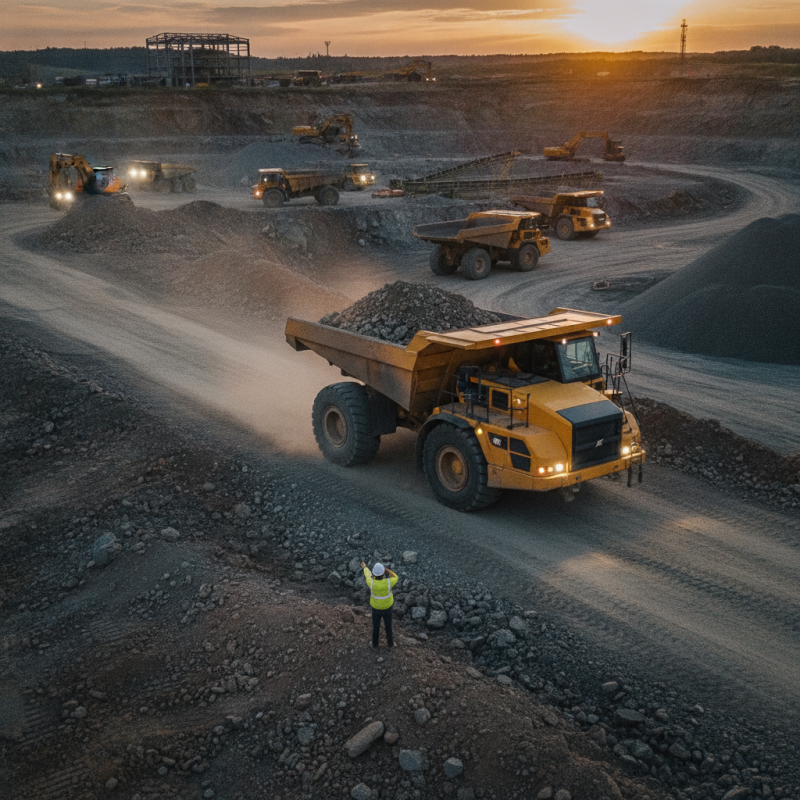
What is a Dump Truck and How to Choose the Right One?
A Dump Truck is essential in the construction and mining industries. In 2022, the global dump truck market was valued at approximately $15 billion and is projected to grow. Various projects demand different dump truck models. Choosing the right one can affect efficiency and costs.
When selecting a Dump Truck, consider its capacity and durability. Models vary from standard to articulated. Experts recommend evaluating the terrain and load types. Data suggests that a mismatch in truck type can lead to operational delays.
Understanding these factors is key. Many buyers overlook essential specifications. They focus on capacity alone. Evaluating maintenance needs and fuel efficiency is often neglected. Therefore, careful analysis is crucial for investment. A well-chosen Dump Truck can enhance productivity significantly.
What is a Dump Truck? Definition and Key Functions
A dump truck is a versatile vehicle used in construction, mining, and waste management. It has a distinct structure: an open-box bed that can be raised at the front. This allows for quick unloading of materials like gravel, sand, or dirt. Dump trucks play a key role in transporting heavy loads and facilitating various projects.
When choosing a dump truck, consider its capacity and weight ratings. The right size impacts its efficiency and effectiveness for your tasks. Assess your typical load volume to ensure you choose a suitable model. Additionally, think about the terrain where you’ll operate the truck. Some trucks are better suited for rough landscapes, while others excel on smooth roads.
Tips: Always inspect a truck’s condition before purchasing or renting. Check for signs of wear and tear. Consider maintenance records and operational history to avoid unexpected issues. It can be beneficial to consult experienced operators for their insights on specific models. Understanding these factors can save money and reduce stress when managing your projects.
Dump Truck Usage by Industry
This chart illustrates the distribution of dump truck usage across various industries. Understanding these sectors can help potential buyers make informed decisions when choosing the right dump truck for their needs.
Types of Dump Trucks: An Overview of Common Models
When choosing a dump truck, understanding the different types available is crucial. There are several common models, each designed for specific jobs. The most prevalent types include standard dump trucks, transfer dump trucks, and articulated dump trucks. According to industry reports, approximately 30% of dump trucks used in construction are standard models, thanks to their versatility.
Standard dump trucks have a simple design. They feature a rigid frame and a bed that tilts to dump materials. This model is ideal for transporting loose materials like sand and gravel. On the other hand, transfer dump trucks add a trailer for increased capacity. They can carry more and are suited for larger projects. Articulated dump trucks, with their flexible joints, provide superior maneuverability on rough terrain. They account for around 25% of the market share in heavy-duty applications.
Choosing the right model depends on specific project requirements. Job site conditions, load capacity, and material types are vital considerations. While standard dump trucks are reliable, they may not handle extensive loads efficiently. Transfer models can be cumbersome in tight spaces. Each model has its strengths and weaknesses, urging potential buyers to evaluate their needs carefully. Industry data suggests that over 45% of users regret not considering their terrain when selecting a dump truck. Such reflections can lead to better decision-making in future purchases.
What is a Dump Truck and How to Choose the Right One? - Types of Dump Trucks: An Overview of Common Models
| Type of Dump Truck | Description | Common Applications | Load Capacity |
| Standard Dump Truck | A truck with a hinged dump bed that can be raised to unload materials. | Construction, landscaping, demolition. | 10-14 tons |
| Articulated Dump Truck | A dump truck with a pivot point between the cab and the dump body for improved maneuverability. | Off-road sites, hilly terrain. | 15-40 tons |
| Semi-Trailer Dump Truck | A truck that has a separate trailer for additional capacity. | Heavy hauling, mining. | 25-35 tons |
| Transfer Dump Truck | A truck that can transfer its load to a separate trailer to increase capacity. | Large construction sites, bulk material hauling. | 20-30 tons |
| Side Dump Truck | A truck with a dumping mechanism on the side, allowing for quicker unloading. | Road construction, highway maintenance. | 10-20 tons |
Key Specifications to Consider When Choosing a Dump Truck
Choosing the right dump truck is crucial for efficiency in construction projects. Understanding key specifications can help you make an informed decision. Payload capacity is one essential aspect. It defines how much weight the truck can carry. Most trucks range from 5 to 20 tons. If you’re hauling heavy materials, opt for a higher payload capacity.
Another specification to consider is the dump mechanism. There are different types, like hydraulic and electric systems. Hydraulic systems usually offer better lifting power. They can handle larger loads and are faster. However, they might require more maintenance.
Don't overlook the truck's bed material. Steel beds are durable and ideal for heavy loads, while aluminum beds are lighter and resist corrosion. But aluminum may not withstand damaging materials as well. Evaluating your typical loads will guide your choice here. It's not just about price; consider total ownership costs, including fuel efficiency and maintenance.
Industry Trends: The Role of Dump Trucks in Construction and Mining
Dump trucks play a crucial role in the construction and mining industries. These vehicles transport bulk materials like sand, gravel, and debris efficiently. In construction, a reliable dump truck delivers essential materials to job sites. This ensures that projects stay on schedule and within budget. The importance of selecting the right truck cannot be overstated.
Current industry trends highlight the demand for lightweight yet robust designs. Many operators prefer trucks that maximize payload without compromising durability. Innovations in materials and design improve fuel efficiency, which is a significant concern. However, operators often rush into purchases without thorough analysis, leading to potential mismatches for specific jobs.
The use of advanced technology in dump trucks is increasing. Many models come equipped with GPS and telematics. These features provide operators with real-time data, enhancing decision-making. Yet, some businesses hesitate to adopt new technology due to cost or complexity concerns. Choosing the right dump truck requires careful consideration of these evolving trends and the specific needs of your projects.
Cost Analysis: Understanding Pricing and Budgeting for Dump Trucks
When considering the purchase of a dump truck, understanding pricing and budgeting is essential. According to industry reports, the average cost of a new dump truck ranges from $30,000 to $150,000, depending on size and specifications. A used truck may cost significantly less, but maintenance history is crucial. Buyers should expect to pay between 10% and 20% of the vehicle's value annually on maintenance and repairs.
Tip: Start by assessing your specific needs. Will you transport heavy materials or smaller loads? Each job affects the type of truck required and its associated costs.
Financing options can also impact your budget. Many buyers opt for loans or leases, which can lower initial costs. However, interest rates can add up. Remember that operating costs, such as fuel and insurance, should be factored into your overall budget, often averaging 15% to 25% of vehicle ownership costs.
Tip: Create a detailed cost breakdown, including financing and operational expenses. This can provide clarity on what truck fits your budget. Don't forget about unexpected repairs that can derail your financial plan.