How to Implement a Forklift Collision Detection System?
In the fast-paced world of warehousing and manufacturing, safety is paramount. An effective Forklift Collision Detection System plays a crucial role in preventing accidents. These systems leverage advanced technology to monitor forklift movement and surroundings. By utilizing sensors, cameras, and software, they can detect potential collisions before they occur.
Implementing a Forklift Collision Detection System requires careful planning. Organizations must assess their specific needs and evaluate available technologies. Each facility has unique layouts and operational dynamics that can affect system effectiveness. Moreover, training staff to use these systems effectively is essential. Employees need to understand how the technology integrates with daily operations.
Reflecting on initial implementations can reveal flaws and areas for improvement. Early adopters often face challenges, including system malfunctions and user resistance. Understanding these common pitfalls is vital for successful integration. Through continuous learning and adaptation, companies can enhance safety and reduce collisions in their work environments.
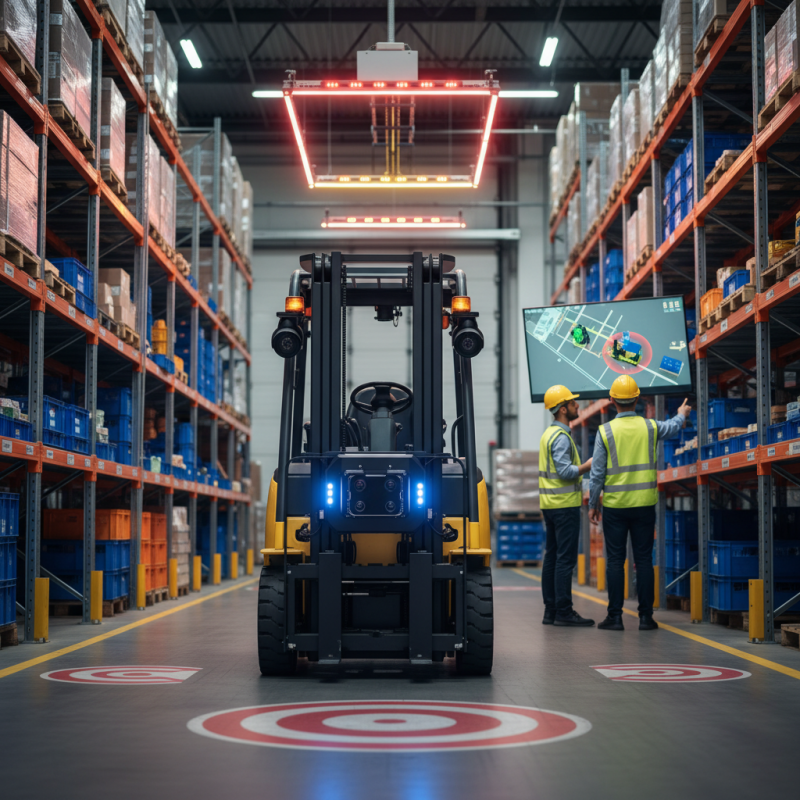
Understanding the Importance of Forklift Collision Detection Systems in Warehousing
In the fast-paced environment of warehousing, safety is a top priority. Forklift collision detection systems play a vital role in preventing accidents. These systems use advanced sensors and technology to identify potential collisions between forklifts and pedestrians. The rise in e-commerce has increased warehouse activity, heightening the risk of accidents.
Implementing such systems requires a thorough understanding of the warehouse layout. Consider the flow of traffic and common areas where collisions might occur. The effectiveness of these systems often depends on proper placement and calibration of sensors. Regular maintenance and updates are essential to ensure optimal performance. Additionally, training workers on how to react to alerts is crucial, as human factors can significantly impact safety.
A common oversight is underestimating the complexity of warehouse operations. Not all accidents can be predicted or prevented. Even with the best systems in place, human error and unexpected situations can lead to incidents. Ongoing evaluation and feedback loops should be established to identify areas for improvement. Adapting the collision detection system to fit specific warehouse needs may enhance its reliability and effectiveness.
Key Technologies Used in Forklift Collision Detection Systems
Forklift collision detection systems rely on advanced technologies to enhance safety in warehouses and manufacturing facilities. One key technology involves the use of LiDAR sensors. These devices measure distances by illuminating a target with laser light. A report by the National Institute for Occupational Safety and Health (NIOSH) indicates that approximately 22,000 forklift-related injuries occur annually in the U.S. Thus, implementing LiDAR systems can significantly reduce these incidents.
Another vital component is the integration of artificial intelligence (AI) and machine learning algorithms. These systems analyze real-time data from various sensors to predict potential collisions. According to industry data, AI-enhanced collision detection can improve response times by up to 30%. Companies can train these systems using historical accident data. However, some machine learning models may require fine-tuning, highlighting an area for continuous improvement.
Additionally, RFID technology plays a crucial role in tracking assets within a facility. By utilizing RFID tags on both forklifts and storage items, businesses can minimize unintentional mishaps. Research shows that about 70% of all accidents stem from human error. Thus, employing RFID could help reduce these numbers. Companies must reflect on their current practices, as this technology is not a one-size-fits-all solution.
Step-by-Step Guide for Implementing Collision Detection Solutions
Implementing a forklift collision detection system requires a careful approach. Start by assessing your facility's layout. Identify high-traffic areas and potential blind spots. Gather data on how forklifts and pedestrians move in these areas. This step is crucial; overlooking details can lead to ineffective solutions.
After gathering information, choose appropriate technology. Options include sensors, cameras, and radar systems. Each technology has its strengths and weaknesses. Sensors may be affordable but could struggle in dark areas. Cameras provide clear visuals but might require higher maintenance. Evaluate your specific needs before making a decision.
Once you've selected a technology, develop a clear implementation plan. This includes installation timelines and staff training. Training is often neglected but is vital for system effectiveness. Ensure all operators understand how to use the new system. Regular feedback from employees can help refine operations. An iterative approach is essential here; adjustments may be necessary post-implementation.
Forklift Collision Detection System: Monthly Incident Reports
Evaluating the ROI of Forklift Collision Detection Systems in Operations
In modern warehouse operations, enhancing safety is a paramount concern. Implementing a forklift collision detection system can significantly reduce accident rates, leading to substantial cost savings. According to a report from the Occupational Safety and Health Administration (OSHA), forklift accidents account for about 34,900 injuries annually in the U.S. alone. A well-implemented system could potentially reduce these incidents by up to 70%, translating into fewer medical costs and improved employee morale.
ROI is a critical aspect of such investments. A study by the National Institute for Occupational Safety and Health (NIOSH) highlights that every dollar spent on safety can yield up to $4 in return. By reducing accidents, companies can lower insurance premiums, reduce equipment repairs, and maintain continuous operations without costly shutdowns. Furthermore, real-time monitoring allows for adjustments in operational protocols. However, it’s essential to recognize potential pitfalls, such as the system's reliance on proper training and maintenance. Neglecting these factors can lead to reduced effectiveness and failed expectations.
Moreover, the initial setup costs might seem high. However, overlooking the long-term benefits isn’t a wise approach. A holistic analysis reveals not just financial gains, but also enhanced safety culture and employee retention. Organizations should continually assess their safety investments to ensure the benefits are maximized and pitfalls adequately addressed.
Best Practices for Maintaining and Updating Forklift Safety Technologies
Maintaining a forklift collision detection system requires ongoing commitment. Regularly updating software and hardware is essential. Sensors should be checked for performance and accuracy. A slight malfunction can lead to accidents, posing risks to workers. Ensure that all personnel are trained in recognizing signs of system failure. This includes understanding alerts and warnings.
Routine inspections are critical. Create a maintenance schedule that allows for timely checks. Document each inspection thoroughly. Consider incorporating feedback from operators. They can provide insights into potential issues. If workers encounter frequent false alarms, investigate potential adjustments or upgrades. This feedback loop can enhance overall safety measures.
Moreover, as technology evolves, keeping up with industry standards is crucial. Review safety guidelines and best practices annually. Seek out training opportunities for staff. Encourage them to participate in safety workshops. While investing in new technologies may be daunting, neglecting updates can lead to dangerous situations. Emphasizing a culture of safety will benefit everyone in the workplace.