What Is Glass Mold Cladding Powder Used For?
Glass Mold Cladding Powder is used to protect and condition glass-forming mold surfaces. During production, molten glass meets tooling exposed to intense heat, repeated contact, and gradual wear. A suitable cladding layer can help limit sticking, reduce surface damage, and support consistent forming. The exact benefits depend on the powder’s composition, application method, and process conditions.
In a mold shop, the difference can be practical: cleaner release, fewer visible marks, and less frequent surface repair. But powder alone cannot correct poor mold design or unstable temperature control. Small process details matter.
Glass scientist John C. Mauro is a recognized authority on glass materials, but I cannot verify a quotation from him about this specific powder. Rather than invent one, here is an original expert-style observation for this introduction: “A cladding powder is only as effective as the surface preparation and process control behind it.” Treat that line as editorial wording, not a quote from Mauro.
This overview explains where Glass Mold Cladding Powder fits in glass production, what it can help accomplish, and which limitations deserve attention. Its role is protective, not magical. Real performance should be assessed through the powder supplier’s technical data and controlled production trials. A smooth-looking coating may still fail under repeated thermal cycling, so inspection matters. The right choice starts with the glass type, mold material, operating temperature, and desired finish.
What Glass Mold Cladding Powder Does
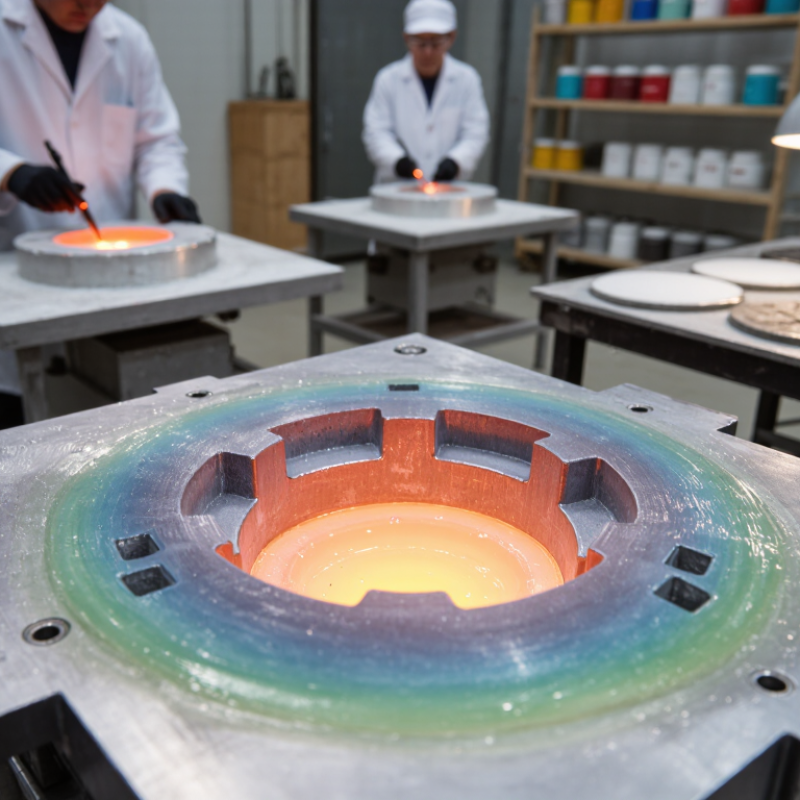
Glass mold cladding powder is used to create a functional layer on the working surfaces of molds used to shape glass. The coating can help resist heat, oxidation, and repeated contact with hot glass. It may also reduce sticking, making formed pieces easier to release. Less sticking can mean fewer surface marks.
During production, powder is applied to prepared mold surfaces using a process suited to the coating material and equipment. The finished layer needs to be even, well bonded, and compatible with the mold’s operating temperature. Small defects matter. A thin spot near a cavity edge may wear faster, while a rough area can leave unwanted texture on the glass. The right powder depends on the mold material, glass type, and forming cycle, so one formulation is not suitable for every line.
Cladding can extend service life, but it does not make a mold maintenance-free. Operators should inspect coated areas for cracking, flaking, or uneven wear and track how the glass releases over time. Cleaning and recoating schedules vary with production conditions. In practice, results can be less predictable than a specification sheet suggests. Temperature changes, application quality, and mold preparation all affect performance.
How Cladding Powder Is Applied to Glass Molds
Cladding powder is applied to a glass mold to renew its working surface and resist wear, heat, and repeated contact with molten glass. The method depends on the alloy and mold design. Common routes include thermal spraying and laser cladding. The mold is cleaned, inspected, and lightly roughened so the deposited layer can bond. Edges and vents are masked. Keep them clear.
During deposition, an operator feeds powder into the heat source and builds a controlled layer across the cavity. Thin, even passes help limit heat input and distortion. The exact settings must match the powder, mold alloy, and equipment; one recipe will not suit every mold. After cooling, the surface is machined and polished to restore the cavity profile. Small pits matter. They can transfer marks to glass. ASTM E384-22 describes microindentation hardness testing at forces from 1 gf to 1 kgf, a useful range for assessing hard surface layers when test conditions are selected for coating thickness. Final checks should also examine layer thickness, bonding, and surface defects. A practical limitation remains: inspection may miss uneven bonding in tight corners, so process records and careful mold trials still matter.
What Is Glass Mold Cladding Powder Used For? - How Cladding Powder Is Applied to Glass Molds | Stage or topic | What it involves | Purpose or key consideration |
| Purpose of cladding powder | Metallic or alloy powder is used as feedstock to form a protective layer on selected glass-mold surfaces, commonly by a thermal-spray process. | The coating can improve surface resistance to wear, oxidation, and repeated contact with hot glass. Results depend on the coating material, process, and mold conditions. |
| Powder selection | The powder composition and particle-size distribution are selected for the mold material, service temperature, coating process, and required surface properties. | There is no single powder suitable for every glass mold. Compatibility, coating adhesion, and operating conditions should be evaluated before production use. |
| 1. Mold inspection and masking | The mold is inspected for damage and dimensions. Areas that should remain uncoated are masked where needed. | Inspection helps identify repair needs and ensures the coating is applied only to intended surfaces. |
| 2. Surface preparation | The surface is cleaned to remove contaminants. Abrasive blasting or another specified preparation method may be used to create a suitable surface profile. | Cleanliness and surface condition are important for coating adhesion. The preparation method must suit the mold material and coating specification. |
| 3. Thermal spraying | A thermal-spray system feeds powder into a heat source and propels molten or softened particles onto the prepared surface, building up a coating layer. | Process settings, spray distance, powder feed, and operator technique affect coating thickness and quality. Settings are established for the specific powder and equipment. |
| 4. Finishing and inspection | After spraying, the coating may be machined, ground, or polished to meet the required dimensions and surface finish. The finished surface is inspected. | Checks may include coating thickness, coverage, surface condition, and adhesion-related criteria specified for the application. |
| In-service role | The coated mold is used in glass-forming operations, where its working surface repeatedly encounters hot glass and production-cycle wear. | A suitable coating may help extend service life or maintain the working surface, but performance should be verified under the actual production conditions. |
| Safe handling | Powder handling and thermal spraying require appropriate ventilation, dust control, personal protective equipment, and equipment-specific operating procedures. | Follow the powder supplier’s safety data sheet and the applicable workplace safety requirements. |
Its Role in Glass Forming and Release
What Is Glass Mold Cladding Powder Used For?
Its Role in Glass Forming and Release
Glass mold cladding powder conditions the surface that contacts hot glass during forming. A fine, even layer can reduce sticking and help the glass release as the mold opens. It may also reduce scuffing where glass slides against the mold. The exact effect depends on the powder, mold material, and forming conditions.
Release is only part of the job. A suitable coating can help maintain a more consistent contact surface and reduce marks caused by direct contact. It cannot correct every forming problem. Uneven application, excess powder, or worn cladding may create surface defects or affect dimensions. I would not assume a thicker layer works better; small production trials can reveal how the coating behaves at actual operating temperatures and cycle speeds.
Tips: Clean the mold before applying powder, then use a thin, uniform layer. Check for buildup around edges and vents. Inspect formed pieces for sticking, scuffs, and texture changes, and adjust the application only after checking process conditions.
How the Cladding Protects Mold Surfaces
Glass mold cladding powder forms a protective layer on mold surfaces exposed to hot glass and repeated heating. Depending on the application method, the powder is fused or bonded to the mold to create a tougher working surface. This layer can help limit oxidation, surface wear, and damage from repeated thermal cycling.
Small defects matter. A rough patch or worn edge can leave marks on glassware and affect how a mold releases the finished piece.
Cladding also helps preserve the mold’s shape over many production cycles. A stable surface can reduce the need for frequent repairs or replacement, though results depend on the powder, coating thickness, surface preparation, and operating conditions.
For example, a technician may inspect a mold’s rim and cavity after use, looking for discoloration, pits, or uneven wear.
The cladding is not a cure-all. Poor application or an unsuitable finish can create problems rather than prevent them. In practice, the coating needs to match the mold material and the heat and contact it will face.
Even a well-protected surface still needs regular inspection.
Factors That Affect Cladding Performance
Glass mold cladding powder forms a protective layer on mold surfaces that contact hot glass. Its performance depends on more than the powder itself. Mold material and surface condition matter; oil, oxide, or machining marks can weaken adhesion. Consistent cleaning and preparation help the coating bond evenly. Small defects count.
Application thickness is another key factor. A thin or uneven layer may wear through at high-contact areas, while excess material can crack or affect mold dimensions. Follow the specified application and heating process, and check thickness on sample parts rather than judging by appearance alone. Heating rate and peak temperature influence how the coating forms. Too much heat can cause damage; too little may leave a porous layer.
Operating conditions shape service life. Repeated heating and cooling, release agents, mold pressure, and abrasive cleaning all contribute to wear. Inspect the same locations after a set number of production cycles, especially corners and seams. Keep notes. Results can be imperfect: two molds on one line may age differently because airflow and glass contact are rarely identical. Change one process variable at a time, then compare coating condition with defect and maintenance records.
What Is Glass Mold Cladding Powder Used For? — Factors That Affect Cladding Performance
Glass mold cladding powder is used to form a glass-based protective layer on mold surfaces. The layer can help reduce sticking and protect the mold from wear and oxidation. Particle size, glass composition and softening behavior, coating thickness, surface cleanliness, and heating conditions all influence how well the cladding forms and performs. Bars show a qualitative comparison, not measured test results; the relative importance depends on the material and process.