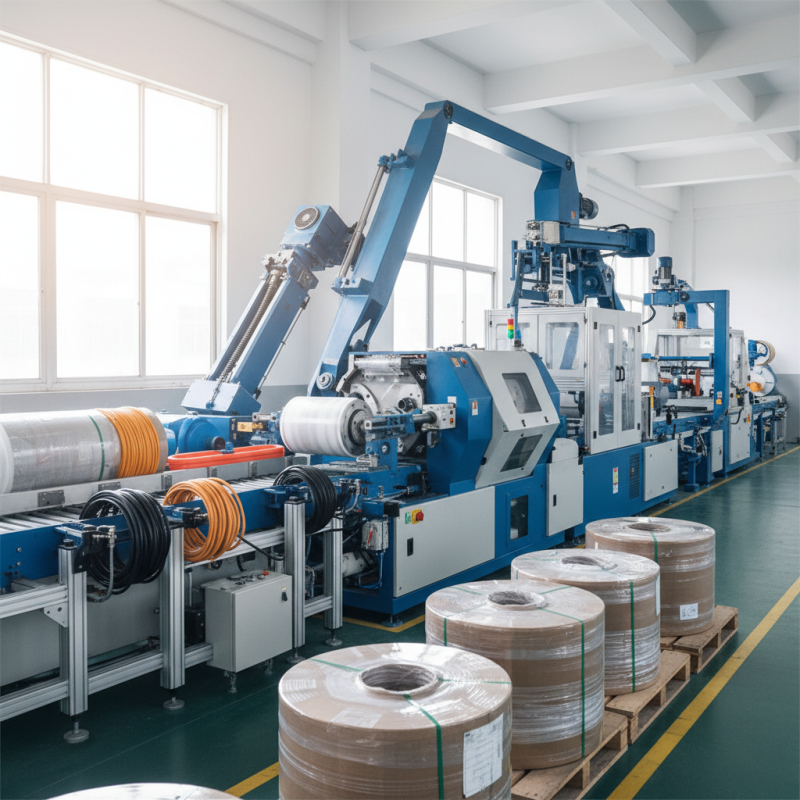
China Top Coiling and Packing Machine Guide and Benefits?
The demand for efficient packaging solutions is on the rise. The Coiling and Packing Machine plays a crucial role in many industries. This machine enhances productivity and ensures that products are securely packaged. Companies are looking for ways to optimize their operations, and these machines are key.
Using a Coiling and Packing Machine can streamline the packaging process. These machines are versatile, accommodating different product sizes and shapes. However, not all machines are created equal. Some may require frequent adjustments or are not user-friendly. It’s important to find a machine that fits specific needs.
Investing in a Coiling and Packing Machine can lead to significant cost savings. However, businesses must evaluate their options carefully. Understanding features, maintenance needs, and overall efficiency is vital. The right machine can transform packaging processes and contribute to long-term success.
Introduction to Coiling and Packing Machines in China
Coiling and packing machines play a vital role in many manufacturing sectors in China. These machines efficiently wrap and package products, enhancing production speed. They are designed to handle various materials, from plastics to metal wires. The automation involved reduces manual labor and improves accuracy. This is significant for industries aiming to meet high demand.
In Chinese factories, coiling machines save time. They create neatly wound coils, essential for storage and transport. Packing machines then ensure these products are securely packaged. This process can be complex. Some machines may struggle with certain materials. Adjustments and calibrations are often necessary. Operators must be trained to handle diverse product specifications.
Choosing the right machine involves considering several factors. The size of the operation impacts the type of equipment needed. A small workshop may require more compact machines, while larger factories might invest in high-capacity models. Maintenance is critical too. Neglecting it can lead to inefficiencies and costly delays. Attention to detail in selecting and maintaining machines ultimately influences overall productivity.
Types of Coiling and Packing Machines Available in the Market
Coiling and packing machines play a pivotal role in manufacturing and logistics. They enhance efficiency and reduce labor costs significantly. In recent years, the market has seen a surge in various machine types, each designed to meet specific needs. The global coiling machine market is expected to reach USD 1.5 billion by 2025, according to industry reports. This growth indicates a rising demand for advanced technologies that streamline production processes.
Multiple types of coiling and packing machines are now available. Rotating drum coilers are commonly used for materials like wire and cable. These machines provide consistent tension, ensuring quality. Another popular choice is the horizontal coil packaging machine, ideal for bulk materials. It simplifies the packing process by automatically wrapping coils in protective materials. Vertical packing machines also cater to diverse industries, handling packets and bags with ease.
Despite the advancements, challenges remain. Many businesses struggle with integrating new technologies into existing lines. Training workers to operate these machines can be daunting. Maintenance issues can arise, leading to downtime and increased costs. Addressing these concerns is crucial for realizing the full benefits of coiling and packing machines.
Key Benefits of Using Coiling and Packing Machines
Coiling and packing machines have transformed the way products are prepared for shipping. These machines streamline processes, making packaging more efficient. With modern technology, they reduce labor costs significantly. Manufacturers can produce high volumes of packaged goods quickly. Consequently, time is saved, which boosts overall productivity.
One major benefit is consistency. These machines ensure that each package is uniform. This can improve branding and customer satisfaction. Additionally, coiling machines often minimize waste. Excess material can lead to higher costs. Efforts to reduce this waste can be beneficial for the environment as well.
However, reliance on machines may lead to challenges. Technical failures can cause delays. Training staff to operate and maintain equipment is essential. It's a process that requires ongoing improvement and adaptation. Balancing automation with skilled labor is vital for success in this industry.
Factors to Consider When Selecting a Coiling and Packing Machine
Selecting the right coiling and packing machine is paramount for efficiency. Consider production volume. Machines must meet your specific needs. A report from the International Packaging Association notes that over 70% of businesses fail due to equipment mismatch. Understanding your output requirements is crucial.
Durability matters significantly. Machines undergo extensive wear and tear. Opting for robust materials can reduce maintenance costs. Data indicates that nearly 40% of packaging downtime arises from equipment failure. Ensuring the machine has a solid warranty can provide added peace of mind.
User-friendliness should also be a priority. Complex machines can lead to training discrepancies. Inadequate training often leads to errors, impacting production. Furthermore, flexibility in machine settings can enhance adaptability in changing production lines. Industry data reveals that about 25% of production efficiency is lost due to poorly adapted equipment. Balancing these factors is essential for a successful investment in coiling and packing technology.
Maintenance Tips for Optimal Performance of Coiling and Packing Machines
Maintaining coiling and packing machines is crucial for optimal performance. Regular cleaning is essential. Dust and debris can affect functionality. Use a soft cloth to clean surfaces daily. Remove any buildup from parts that are frequently used. This simple act can enhance the machine's longevity.
Lubrication is another important aspect. Regularly check and apply grease or oil as needed. Ensure moving parts are properly lubricated. This reduces friction and wear. However, be careful not to over-lubricate. Excess oil can attract dirt, leading to mechanical issues.
Operator training is often overlooked but vital. Workers should understand machine functions well. Misuse can cause breakdowns. Encourage staff to report any unusual noises or behaviors. A proactive approach can prevent costly repairs and downtime. Routine checks can catch problems early, saving future headaches.