
Email Id: sale@adctooling.com
Choosing a manufacturer for a Ripper Tooth is a practical decision, not just a price comparison. The right tooth must match the machine, shank, and ground conditions. A poor fit can cause uneven wear or wasted downtime. Details matter.
Buyers comparing China-based suppliers should examine material specifications, heat treatment, dimensional control, and documented quality checks. Ask how the supplier verifies fit and consistency across production batches. Photos help, but inspection records and clear technical answers provide stronger evidence. Requesting samples or trial feedback may also reveal issues that a catalogue cannot show. Check dimensions against the machine manual, and confirm replacement availability before committing to volume orders.
Performance depends on more than the tooth itself. Soil type, rock, operating pressure, and maintenance all affect wear life. No supplier can promise the same service life in every application. That point is easy to overlook. A dependable manufacturer should explain limitations, provide compatible product options, and respond clearly when questions arise. This guide explores how to assess Ripper Tooth manufacturers and suppliers in China, including product design, quality assurance, customization, communication, and delivery support. Use these criteria to build a shortlist, then verify important claims directly before placing an order. Even careful research cannot remove every risk, but it can make comparisons more grounded and useful.
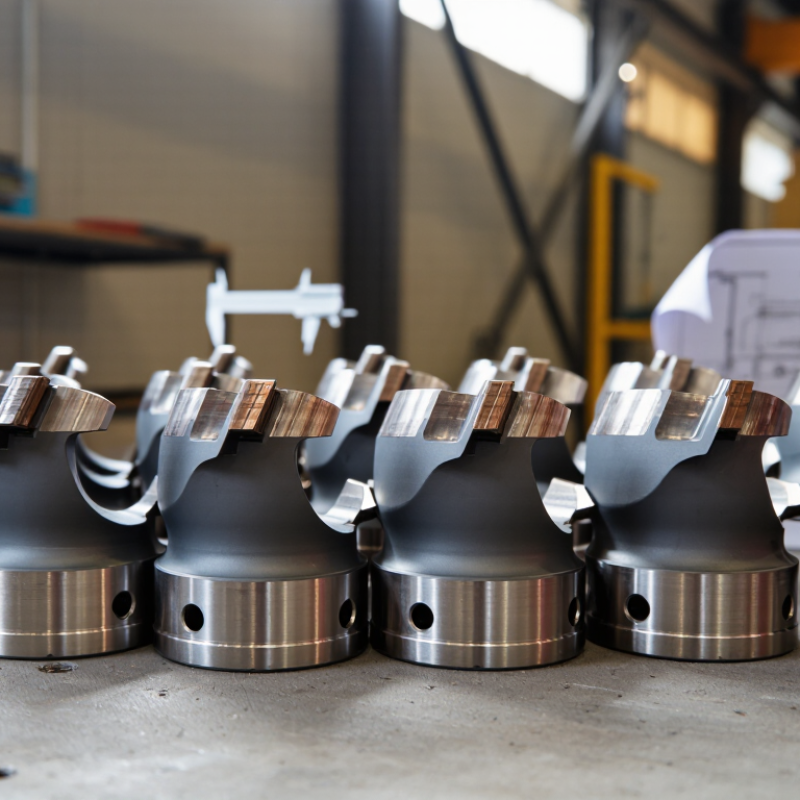
A ripper tooth is a hardened steel point fitted to a shank on a bulldozer or other earthmoving machine. It concentrates machine force into a narrow tip, penetrating compacted soil, weathered rock, or frozen ground. As the machine moves forward, the tooth fractures material into smaller pieces for easier excavation or grading. It does not cut like a blade. It pries and breaks. Tooth shape, penetration depth, machine weight, and ground conditions all affect performance. A worn point may skate over hard ground instead of entering it. That difference is easy to miss from the cab.
The U.S. Geological Survey’s Mineral Commodity Summaries 2024 estimated U.S. construction sand and gravel production at about 960 million tons in 2023.
This figure shows the scale of aggregate handling, not ripper-tooth output; sand and gravel are not always ripped. In the field, operators assess the material and adjust tooth spacing, speed, and depth to limit shock loads and unnecessary wear. A useful check is the fracture pattern: look for loosened material behind the tooth, not just a polished groove. Still, soil layers vary, and judgment is not perfectly tidy. One setting rarely suits every pass.
Ripper teeth are not interchangeable points; their shape determines how force enters the ground. Single-shank teeth concentrate penetration, while multi-shank setups cover a wider cut in softer material. A narrow, pointed tip can start a cut in compacted soil. A broader profile may better tolerate mixed rubble, though it can need more pulling force. Replaceable tips and protected adapters help reduce wear near the nose and shank joint. Small details matter.
Common materials include heat-treated alloy steel for impact resistance and abrasion-resistant steel for wear-prone parts. Hardness alone can mislead: an extremely hard tip may chip on rock, while a tougher one may wear sooner in abrasive ground. The U.S. Geological Survey’s Mineral Commodity Summaries 2024 estimates global iron ore mine production at about 2.5 billion metric tons in 2023, reflecting the scale of hard-rock excavation—not a ripper-tooth life rating. Ground conditions still decide. Ask suppliers for steel grade, hardness range, heat-treatment details, and field records from comparable ground. Those records can be inconsistent, so I would treat unsupported service-hour claims cautiously.
Ripper tooth production begins with a drawing that defines the shank, point geometry, and wear allowance. Manufacturers select alloy steel according to impact and abrasion needs. Some use closed-die forging; others cast the part, so the route depends on design and production volume. Steel is heated, shaped, and trimmed, then normalized or quenched and tempered to balance hardness with toughness. The details matter. A tooth that is too hard may chip; one that is too soft may wear quickly.
After heat treatment, workers machine mounting surfaces and inspect dimensions, cracks, and hardness. A practical quality plan records furnace temperature, batch identity, and test results. Buyers can request material certificates and inspection records, then compare them with their own service conditions. This is not foolproof. Field wear also depends on soil, machine power, and operator technique. The World Steel Association’s World Steel in Figures 2024 reports 1,892.2 million tonnes of crude steel production worldwide in 2023. That figure describes the broad steel supply base, not ripper tooth output; product-specific performance still needs testing. Simple checks help. Confirm the tooth fits the shank correctly, and inspect the point after initial use.
When evaluating Chinese ripper tooth manufacturers and suppliers, look beyond catalog dimensions. Request steel-grade certificates, heat-treatment records, and batch traceability. A tooth may look identical yet wear unevenly if its hardness varies from nose to shank. Ask for hardness maps, impact-test methods, and wear-test conditions—not just a headline figure. Ask for records. Check that test results represent production batches and that rejected parts are documented.
A 2024 global construction equipment market analysis estimated the market at US$145.1 billion in 2023. That figure signals broad demand, not any supplier’s quality. Treat it as context. Request drawings with tolerances, material chemistry, and sample inspection reports. Compare them in a field trial using similar soil and machine power. Then test samples. Track penetration, wear after set operating hours, and tooth changes per machine-hour. Check adapter fit, too: loose seating can look like poor steel. Review lead times, replacement availability, and responses to failed samples. A factory audit helps, though a tidy tour cannot replace production records. One test batch may not reveal seasonal variation, so retain reference samples and assess more than one batch.
Suggested evaluation weighting for comparing suppliers of ripper teeth
Use these suggested weights as a practical comparison framework, not as results from an industry survey. Verify product compatibility, quality controls, material and testing records, dimensional consistency, delivery performance, and warranty terms using documented evidence.
Choosing a ripper tooth supplier starts with the conditions your machine actually faces. Hard, compacted ground wears teeth differently from softer soil. Share your machine model, shank dimensions, and typical working conditions. A tooth that looks right in a catalog may still fit poorly.
Ask how the supplier controls steel composition, heat treatment, and dimensional consistency. Request material or inspection records when available, and check that the tooth seats firmly without excess movement. Fit matters. Compare wear life across realistic jobs, not just promotional claims. A polished catalog is not enough. Even experienced buyers can overlook small fit differences, so verify a sample before placing a large order.
Consider lead times, replacement availability, and how the supplier handles quality concerns. Ask whether product specifications remain consistent between batches. Clear answers are useful; vague promises are not. Price matters, but the cheapest tooth can cost more if it wears quickly or interrupts work. I would also keep notes on service hours and ground conditions. The comparison may not be perfect, but it gives you better evidence for the next purchase.
Use this checklist to compare suppliers. The suggested weights are a practical scoring framework, not an industry standard; confirm requirements against your machine, application, and operating conditions.
| Evaluation dimension | What to verify | Useful evidence or test | Suggested weight |
|---|---|---|---|
| Fit and compatibility | Confirm the tooth matches the ripper shank and machine application. Check the part reference, dimensions, pin or lock arrangement, and fitment details before ordering. | Dimensioned drawing, fitment list, and a trial installation or sample check. | 20% |
| Material and heat treatment | Ask what material and heat-treatment process are used, and how the supplier balances wear resistance with resistance to impact-related damage for the intended work. | Material specification, heat-treatment controls, and test results linked to the product or production lot. | 20% |
| Manufacturing quality control | Check how incoming material, critical dimensions, finished parts, and nonconforming products are controlled. Ask how production batches can be identified. | Inspection records, sample reports, batch traceability information, and a written quality-control process. | 15% |
| Wear-life performance | Compare expected wear using the same machine, material, operating method, and site conditions. Wear life can vary substantially with ground conditions and operator practices. | Documented field-trial results or a controlled comparison using the same operating conditions; treat unqualified life claims cautiously. | 15% |
| Production capacity and delivery | Confirm the order quantity, production schedule, stock availability, shipping method, and quoted dispatch date. Distinguish production time from transit time. | Written lead-time commitment, order status updates, and a shipment plan showing the delivery terms. | 10% |
| Price and total cost | Compare the complete delivered cost, not only the unit price. Include tooling or setup charges, packaging, freight, duties, payment terms, and expected replacement frequency. | Itemized quotation with currency, quantity breaks, delivery terms, and any additional charges clearly stated. | 10% |
| Warranty and after-sales support | Review the warranty period, coverage, exclusions, claim evidence requirements, and process for addressing fitment or quality issues. | Written warranty terms and a named contact or documented procedure for technical and quality claims. | 5% |
| Communication and documentation | Assess whether the supplier answers technical questions clearly and provides consistent drawings, specifications, packing details, and export documents. | A complete quotation and product file, prompt responses, and sample commercial or shipping documents where appropriate. | 5% |
| Total suggested evaluation weight | 100% | ||