
Email Id: sale@adctooling.com
Choosing the right Solar Combiner box manufacturer is a practical decision, not a popularity contest. Global buyers must examine current ratings, enclosure materials, fuse coordination, monitoring options, and documented testing. A box may look robust in a product photograph, yet fail to suit a hot rooftop, dusty utility site, or humid coastal project.
Bill Brooks, a respected photovoltaic systems engineer, has emphasized a simple principle: “Every connection is part of the system.” That observation matters here. A reliable combiner box should protect strings, simplify maintenance, and support safe fault isolation. It should also include clear wiring labels, accessible terminals, and credible technical documentation. Small details matter.
This guide reviews leading Solar Combiner box manufacturers for international buyers. It considers product quality, manufacturing experience, certifications, customization, delivery capability, and after-sales support. Factory inspection records and test reports deserve attention. So do warranty terms. They are often overlooked.
The comparison is not perfect. Public specifications can be incomplete, and distributor claims may sound stronger than verified evidence. Buyers should confirm regional compliance before placing an order. They should also request drawings for actual system conditions, rather than trusting a standard catalog model. A low purchase price can become expensive when replacement parts, delays, or field troubleshooting appear later. The strongest manufacturers combine electrical reliability with responsive communication and consistent production control. That balance separates a dependable supplier from a merely visible one.
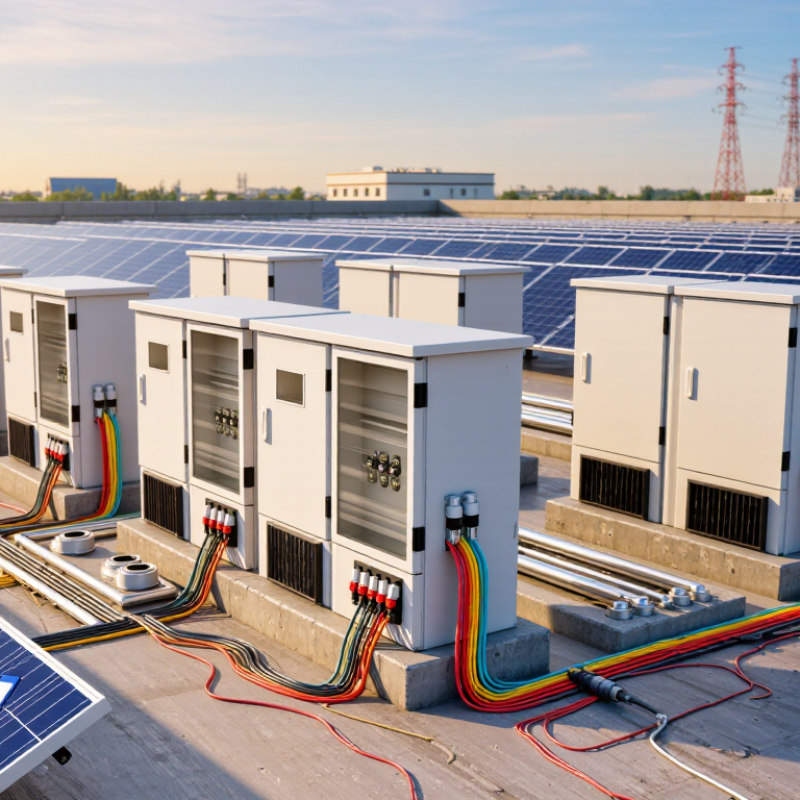
A solar combiner box collects current from multiple photovoltaic strings and sends it toward the inverter. Inside, fuses or circuit breakers help isolate faulty strings. Surge protection may reduce damage from transient voltage events. Clear labeling also makes inspection safer and faster.
In practical installations, the box matters because it organizes protection at one accessible point. A well-designed enclosure can resist dust, moisture, ultraviolet exposure, and temperature changes. Buyers comparing solar combiner box manufacturers should examine enclosure ratings, fuse compatibility, busbar quality, cable entry design, and documented testing. Reliable suppliers provide wiring diagrams, inspection records, and traceable component specifications. A rushed specification may look acceptable during commissioning. Problems often appear later, during heat, rain, or maintenance.
Tips: Match the box to the system voltage, current, and number of strings. Check whether fuses are replaceable without disturbing live wiring. Confirm grounding arrangements with a qualified electrical professional. Leave room for cable bends. Small details matter. Do not judge quality by appearance alone. An impressive enclosure can still hide weak terminals or poor thermal planning. Recheck labels before energizing the system, because one reversed connection can create costly troubleshooting.
| Evaluation Dimension | Typical Industry Data or Configuration | Why It Matters to Global Buyers | Recommended Purchasing Check |
|---|---|---|---|
| Primary Function | Combines multiple photovoltaic string circuits into one or more higher-current output circuits before connection to an inverter or other downstream equipment. | Reduces cable quantity, simplifies system wiring, and makes string-level protection and testing more organized. | Confirm the number of inputs, output circuits, and compatibility with the selected inverter architecture. |
| Common System Position | Usually installed between the solar module strings and the DC input of a central or string inverter. | Correct placement helps maintain safe current paths and supports efficient maintenance access. | Review the single-line diagram, cable routes, environmental exposure, and required installation clearances. |
| Number of String Inputs | Common configurations include 2, 4, 6, 8, 12, 16, or more photovoltaic string inputs, depending on system size and design. | The correct input count prevents unused circuits, excessive parallel connections, or later expansion limitations. | Match the box capacity to the actual string count and allow spare capacity only when future expansion is planned. |
| DC Operating Voltage | Typical products are designed for photovoltaic systems in voltage classes such as 600 V DC, 1,000 V DC, or 1,500 V DC. The exact rating depends on the product design. | The voltage rating must exceed the array's maximum open-circuit voltage under the lowest expected temperature. | Verify the maximum system voltage, temperature coefficient calculations, and applicable regional electrical requirements. |
| Input and Output Current | String input current is commonly selected around the module string operating current, while the output current depends on the number of parallel strings and the design margin. | Correct current sizing helps prevent overheating, nuisance tripping, and conductor overload. | Check maximum continuous current, fuse rating, terminal rating, conductor size, and derating for ambient temperature. |
| String Protection | DC-rated photovoltaic fuses may be installed on individual positive or negative string circuits, depending on the array design and protection requirements. | String fuses can limit fault current and help protect modules, cables, and connected equipment from abnormal current conditions. | Confirm fuse type, rated voltage, rated current, interrupting capacity, polarity arrangement, and replacement access. |
| Surge Protection | A DC surge protective device is commonly used to help limit transient overvoltage caused by lightning-related events or switching disturbances. | Surge protection can reduce the risk of damage to inverters and other sensitive DC equipment. | Check the protection class, maximum continuous operating voltage, discharge ratings, grounding method, and status indication. |
| Disconnect or Isolator | Many combiner boxes include a DC load-break disconnect or isolator for system shutdown and maintenance, where required by the design or local code. | A suitable disconnect improves service safety and allows technicians to isolate downstream equipment. | Verify DC switching capability under the intended voltage and current, as well as lockout and labeling provisions. |
| Enclosure Protection | Outdoor photovoltaic combiner boxes are commonly specified with dust- and water-ingress protection such as IP65 or higher, depending on the enclosure design. | Ingress protection helps protect internal components from rain, dust, and outdoor operating conditions. | Select the rating according to the installation environment and confirm that cable glands, doors, and unused openings maintain the rating. |
| Enclosure Material | Common materials include UV-resistant polycarbonate, fiberglass-reinforced plastic, painted metal, or stainless steel. | Material selection affects corrosion resistance, mechanical strength, weight, thermal behavior, and service life. | Consider ultraviolet exposure, salt mist, humidity, chemical contamination, impact risk, and mounting conditions. |
| Operating Temperature | Many outdoor units are designed for a broad ambient temperature range, often approximately -25°C to +60°C, subject to the specific product design and derating requirements. | Temperature affects fuse performance, enclosure heat buildup, cable ampacity, and long-term component reliability. | Request the manufacturer's temperature range, internal heat-rise data, and current derating curve for the intended climate. |
| Monitoring Options | Optional monitoring may include string current measurement, voltage measurement, fuse status, surge protector status, and communication interfaces such as RS-485. | Monitoring can help identify underperforming strings, blown fuses, insulation issues, and abnormal operating conditions. | Confirm measurement accuracy, communication protocol, data integration requirements, power supply, and cybersecurity provisions. |
| Connection Method | Connections may use photovoltaic-rated cable glands, terminal blocks, plug-in connectors, or pre-wired cable assemblies. | Reliable connection hardware reduces installation time and lowers the risk of loose, mismatched, or incorrectly terminated cables. | Check connector compatibility, conductor cross-section, sealing range, torque values, polarity marking, and field-service requirements. |
| Grounding and Bonding | Designs may provide protective earth terminals, grounding bars, or dedicated bonding points for enclosure and equipment grounding conductors. | Proper bonding supports fault-current paths and helps meet electrical safety requirements. | Confirm grounding conductor size, bonding method, corrosion resistance, and compliance with the installation jurisdiction. |
| Applicable Standards | Relevant requirements may include IEC 61439 for low-voltage switchgear and controlgear assemblies, IEC 61643-31 for photovoltaic surge protective devices, and local electrical codes. UL requirements may apply in North American projects. | Standards help define safety, construction, testing, component suitability, and documentation expectations. | Identify the destination market first and request declarations, test reports, certificates, and markings applicable to that market. |
| Factory and Routine Testing | Typical checks may include wiring verification, insulation resistance, dielectric withstand, protective conductor continuity, polarity, torque inspection, and functional testing. | Testing reduces commissioning risks and helps confirm that the delivered assembly matches the approved design. | Request inspection records, test procedures, acceptance criteria, and serial-number traceability. |
| Installation and Maintenance | Important features include clear circuit labeling, accessible fuse holders, hinged or removable covers, spare terminals, and adequate cable bending space. | Good serviceability reduces downtime and improves technician safety during inspection or replacement. | Review installation drawings, wiring diagrams, torque specifications, spare-parts availability, and maintenance instructions. |
| Global Shipping Considerations | Packaging should protect the enclosure, connectors, doors, and internal components from vibration, moisture, impact, and condensation during transport. | International logistics can expose electrical assemblies to long transit times and varied storage conditions. | Confirm packaging tests, export documentation, humidity protection, pallet dimensions, gross weight, and customs classification. |
| Best-Fit Buyer Profile | Utility-scale, commercial, industrial, agricultural, and large off-grid photovoltaic projects with multiple parallel strings. | A combiner box is most valuable when centralized string protection, isolation, or monitoring is required by the system design. | Compare total installed cost, not only purchase price, including cabling, protection devices, labor, commissioning, and maintenance. |
Note: Electrical ratings, enclosure classifications, component selections, and certifications vary by design and destination market. Always verify the latest technical datasheet and applicable local regulations before procurement.