What is Pcb Board and How to Choose the Right One?
Printed Circuit Boards (PCBs) are crucial in electronic devices, dictating performance and reliability. In 2022, the global PCB market was valued at approximately $70 billion and is expected to reach $110 billion by 2029, according to industry reports. This growth reflects the increasing demand for advanced electronic products, from smartphones to IoT devices. Selecting the right Pcb Board is essential for ensuring optimal functionality and longevity.
Understanding the specifications of a PCB board is vital. Factors like material type, layer count, and thickness impact not only the device's performance but also its cost-effectiveness. Recent studies show that using high-quality materials can enhance the durability and conductivity of PCBs, leading to a lower failure rate of electronic devices. However, there is a risk in overspending on unnecessary features. Balancing quality and cost can be challenging, making it important to thoroughly evaluate needs before choosing a PCB.
Choosing the right PCB involves both technical knowledge and practical experience. Designers must assess their project's unique requirements while staying updated on industry trends. This may seem complicated; however, having a strategic approach can mitigate risks. Continuous learning and adaptation in this fast-evolving market are critical for success in PCB manufacturing and application.
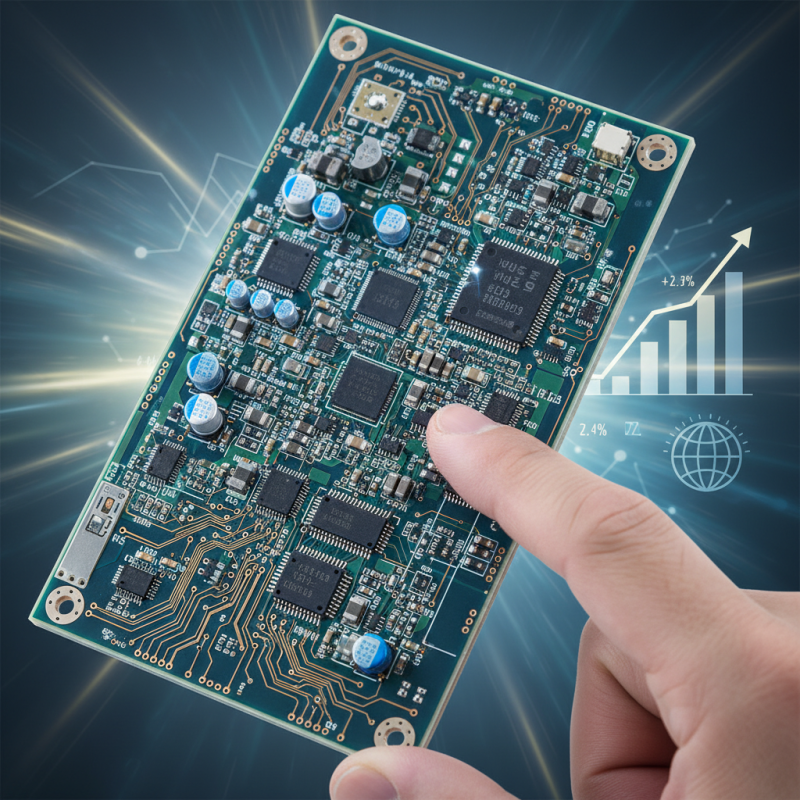
What is a PCB Board? Definition and Key Components
Printed Circuit Boards (PCBs) are crucial in modern electronics. They provide connections between different components like resistors, capacitors, and microcontrollers. An estimated 95% of electronic devices use PCBs. These boards are designed with specific materials that ensure conductivity and durability.
Key components of a PCB include the substrate, conductive tracks, and solder mask. The substrate is typically made of fiberglass or epoxy. This material offers strength and insulation. Conductive tracks are usually made from copper, forming pathways for electrical signals. The solder mask protects these tracks from contamination and shorts. Proper design and material choice are vital for performance.
Selecting the right PCB involves evaluating project needs. Factors like size, thickness, and layer count are important. Some applications may require flexible or rigid-flex designs. Reports suggest that the global PCB market is projected to reach $81 billion by 2026, indicating significant growth. However, not all designs meet client needs perfectly. Many users find it challenging to balance cost with quality, often resulting in less-than-optimal choices. Reflecting on these factors can improve decision-making in PCB selection.
Types of PCB Boards: Rigid, Flexible, and Rigid-Flex Explained
When selecting a PCB board, understanding the types available is essential. Rigid PCBs are the most common type. They are made from sturdy materials and provide a stable platform for electronic components. This stability ensures reliable connections and longevity in various applications. Rigid boards are ideal for products that require minimal movement, like home appliances and computers.
Flexible PCBs offer a different advantage. They can bend and twist, making them suitable for compact spaces. This flexibility allows for innovative designs in wearable technology and smartphones. However, they may not provide the same level of support as rigid boards. Users should consider their specific needs when choosing this type.
Rigid-flex PCBs combine both rigid and flexible technologies. They allow for complex designs with multiple functionalities. However, these boards can be more expensive and sometimes challenging to manufacture. It's crucial to evaluate the project requirements and budget before opting for rigid-flex solutions. Each type has its merits and potential drawbacks, needing careful consideration during selection.
Types of PCB Boards
This chart shows the distribution of market share among different types of PCB boards, highlighting the dominance of rigid PCBs, followed by flexible and rigid-flex PCBs.
Factors to Consider When Choosing a PCB Board
When choosing a PCB board, several factors play a crucial role. Material choice is fundamental. Common options include FR-4 and polyimide. FR-4 is suitable for standard applications. Polyimide, on the other hand, withstands higher temperatures. Consider the thermal and electrical properties of each material. Will your device face heat? This can directly affect performance.
Next, think about the board size and layer count. Simpler designs often require fewer layers. But as designs become complex, more layers may be necessary. Pay attention to the layout. Layers should be optimized for signal integrity. Will the board fit in the intended space? A proper fit is essential for functionality.
Another key aspect is the intended application. Different applications have unique needs. High-frequency circuits, for example, demand specialized designs. Reliability is crucial. Over time, poor choices can lead to failures. Consult with experts if needed. Making informed decisions enhances the overall quality of your PCB. Utilize resources wisely. Each detail contributes to the final product's effectiveness.
Common Applications of PCB Boards in Various Industries
PCB boards play a crucial role across various industries. Their applications are diverse, ranging from consumer electronics to automotive systems. In the telecommunications sector, PCBs are essential in devices like smartphones and routers, facilitating reliable communication. In healthcare, PCBs are found in medical devices, aiding in diagnostics and patient monitoring.
Tips: When selecting a PCB, consider the specific application. Thickness and material can affect performance. A thicker board may handle more complex circuits but could increase costs.
In industrial automation, PCBs are integrated into control systems. They help in efficiently managing machinery. This application ensures safety and maximizes productivity. However, the choice of PCB must align with environmental conditions, such as temperature fluctuations.
Tips: Always assess the operating environment. Boards exposed to extreme conditions might need special coatings. Regular testing can also identify any potential issues early on.
What is Pcb Board and How to Choose the Right One? - Common Applications of PCB Boards in Various Industries
| PCB Type | Material | Layer Count | Common Applications |
| Single-Sided PCB | FR-4 | 1 | Consumer Electronics, Simple Circuits |
| Double-Sided PCB | FR-4 | 2 | Power Supply, Audio Devices |
| Multilayer PCB | FR-4, Rogers | 4-12+ | Computers, Telecom Equipment |
| Flexible PCB | Polyimide | 1-2 | Wearable Devices, Mobile Phones |
| Rigid-Flex PCB | FR-4, Polyimide | Various | Aerospace, Medical Devices |
Tips for Finding a Reliable PCB Manufacturer or Supplier
Choosing a reliable PCB manufacturer or supplier is crucial for the success of your electronic projects. The global PCB market was valued at approximately $60 billion in 2022, with expected growth rates of 4.3% annually through 2030. Understanding what to look for can help mitigate risks.
When searching for a manufacturer, consider their experience and certifications. A company’s history can indicate its reliability. Look for suppliers with decades of experience in the industry. This may also correlate with quality and expertise. Additionally, ensure they have relevant certifications like ISO 9001, which reflects a commitment to quality management.
Price is not everything. Low-cost options might save you money upfront but can lead to higher failure rates. Evaluate their production capabilities. Can they handle your specific needs? Also, ask for samples. Inspecting these can reveal much about their workmanship. Transparency in communication is vital, as delays and issues can arise. A supplier who communicates effectively will likely manage challenges more efficiently.
Lastly, seek out reviews and case studies from past clients. This will provide insights into their reliability. Engage with them and ask probing questions. A dependable PCB manufacturer will be approachable, responsive, and knowledgeable about industry standards.