
Email Id: sale@adctooling.com
A Sacral Nerve Stimulator is a specialized medical device designed to deliver controlled electrical stimulation to sacral nerves. In China, manufacturers vary in product design, production capacity, clinical support, and export experience. Comparing them requires more than reviewing product photos or catalog specifications. Details matter.
This guide introduces key factors for assessing Chinese manufacturers, including device configurations, electrode options, programming features, quality-management practices, and after-sales support. Buyers should examine product documentation, manufacturing traceability, and relevant certifications for their intended market. They should also ask how suppliers handle training, maintenance, and technical questions. A responsive support team can matter as much as a polished product brochure.
Clinical needs differ. So do devices. No single manufacturer will suit every hospital, distributor, or procurement plan. This overview is intended to help readers develop informed questions rather than declare a universal winner. Company claims should be checked against current documentation and, where appropriate, independent evaluations. A comparison article can make a complex market easier to navigate, but it may not capture every difference in local service or real-world performance. That limitation deserves attention. With careful due diligence, readers can identify manufacturers whose capabilities, evidence, and support align with their specific requirements.
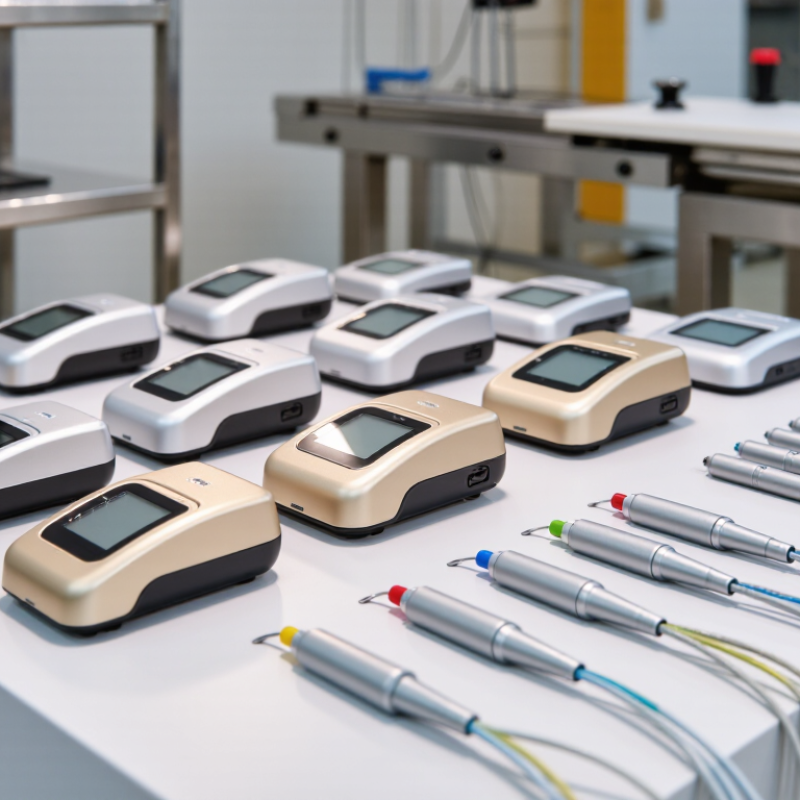
Sacral nerve stimulation, also called sacral neuromodulation, uses mild electrical pulses to influence nerves that help control bladder and bowel function. A thin lead is placed near a sacral nerve, often through a small incision. During a test period, the patient carries an external stimulator and records symptoms, such as sudden urinary urgency or leakage. Small details matter: how often symptoms occur, whether sleep is interrupted, and whether daily activities become easier.
Clinicians may consider this therapy for selected people with overactive bladder, urge incontinence, non-obstructive urinary retention, or fecal incontinence, particularly when other treatments have not helped enough. It is not a universal fix. The test phase helps assess whether symptom changes are meaningful before a long-term device is considered. Results can vary. Some people notice clear improvement; others find the benefit modest or experience discomfort at the lead site. Device choice, surgical planning, and follow-up should be discussed with qualified healthcare professionals. Patients should also ask about programming, battery life, and MRI compatibility, since these details differ among systems. Evidence and personal experience do not always line up neatly. That deserves an honest conversation.
Top Sacral Nerve Stimulator Manufacturers in China
How Sacral Nerve Stimulators Are Designed and Manufactured
Design starts with the treatment goal, implant location, and the need for reliable electrical stimulation. Engineers shape the pulse generator and lead as one system. The lead’s small contacts must deliver controlled pulses while tolerating repeated movement. Materials are selected for tissue compatibility, durability, and resistance to body fluids. The generator enclosure also needs a dependable seal. Small details matter.
Manufacturing turns those design choices into repeatable components. Teams assemble leads, join enclosure parts, and inspect connections under controlled conditions. Electrical testing checks output, sensing, and battery performance. Seal testing helps identify defects before devices proceed to validated sterilization and packaging. Records link each production lot to its inspection results. Design is rarely elegant on the first pass; a connector that looks simple can become a weak point. That deserves another review.
Tips: Ask how manufacturers verify lead flexibility, enclosure integrity, and electrical consistency. Look for clear testing records and traceability. A polished specification sheet is useful, but it cannot replace evidence from manufacturing checks.
China’s sacral nerve stimulation device industry is shaped by medical-device engineering, component sourcing, and clinical feedback. A complete system may include an implantable pulse generator, an insulated lead, an external programmer, and surgical accessories. Each part has a practical job. The lead must remain stable, while the generator needs reliable output and a compact housing. Small details matter.
Manufacturers and suppliers work across electronics, materials, sterilization, and assembly. Product evaluation should look beyond a polished enclosure or a listed feature set. Check how the device records stimulation settings, how clinicians adjust programs, and what technical documents describe battery performance and lead compatibility. Clear traceability and consistent quality controls are important signals, though they do not replace clinical evidence. Not every specification tells the whole story.
The market is not perfectly transparent. Public information may describe manufacturing capacity more clearly than long-term clinical outcomes, so buyers should separate engineering claims from patient evidence. Ask for applicable registrations, test reports, and documented service procedures, then confirm their scope and dates. For clinicians, usability also matters: a programmer that is awkward to navigate can slow routine adjustments. That deserves honest scrutiny.
| Industry dimension | China industry snapshot | Practical consideration |
|---|---|---|
| Device purpose | Sacral neuromodulation delivers electrical stimulation to sacral nerve pathways to help manage selected bladder and bowel control disorders. | It is a therapy option, not a general-purpose treatment for every urinary or bowel condition. |
| Common clinical uses | International clinical practice includes selected cases of overactive bladder symptoms, non-obstructive urinary retention, and fecal incontinence. | Suitability depends on diagnosis, prior treatment, patient factors, and the device’s approved indications. |
| Typical system components | An implanted pulse generator, an electrode lead, and an external programmer or controller are common elements of an implantable system. | Component design and compatibility are model-specific; approved product documentation should be checked. |
| Treatment pathway | Care may include clinical assessment, a test-stimulation phase, and—if the response is considered adequate—implantation of a long-term system. | The protocol and decision criteria are determined by the treating team and applicable device instructions. |
| Regulatory access in China | Medical devices placed on the Chinese market are subject to applicable National Medical Products Administration (NMPA) requirements. | Registration and permitted indications should be verified for each specific model; requirements and status can differ by product. |
| Clinical evidence | Evidence relevant to a device can include clinical studies, follow-up data, and post-market safety information. | Evidence should be reviewed by indication and patient group; results from one system should not automatically be attributed to another. |
| Implant and follow-up needs | Implantable neuromodulation therapy requires trained clinical teams, programming, and ongoing follow-up. | Patients and providers should consider access to follow-up care, device support, and any model-specific maintenance needs. |
| Procurement checks | A responsible comparison can cover registration status, approved indications, clinical evidence, system compatibility, training, and service arrangements. | Confirm details through official regulatory records and current product documentation rather than relying on general market summaries. |
| Market data availability | Comparable public figures for sales, installed base, and market share may not be available across all products and reporting periods. | Avoid treating estimates from different sources or years as directly comparable without checking their definitions and coverage. |
Note: This overview describes general therapy and regulatory considerations; it does not rank manufacturers or replace current NMPA records, clinical guidance, or product-specific labeling.
Chinese sacral nerve stimulator manufacturers generally build portfolios around an implantable pulse generator, an implanted lead, and external programming tools. Some also offer temporary stimulation kits for evaluation before implantation. The EPIC study, published in European Urology, estimated overactive bladder prevalence at 11.8% across adults in five European countries. This clinical need makes device reliability and follow-up support important purchasing considerations.
When comparing Chinese manufacturers, review pulse-generator size, battery options, stimulation settings, lead configuration, and programmer usability. Ask for technical specifications, clinical evidence, and clear service arrangements. Portfolio pages can look complete, but long-term follow-up capacity is harder to assess. That deserves scrutiny. Product range alone does not prove clinical performance, and publicly available information may vary between suppliers.
Tips: Request evidence on device longevity and documented testing. Check whether clinicians can adjust settings easily, and confirm how patients receive follow-up support. Small details matter, like programmer readability and lead connection security.
Evaluating a sacral nerve stimulator manufacturer in China takes more than checking its catalog. Ask for the device’s NMPA registration, where applicable, and confirm the registered model matches the product being offered. For export, verify approvals for the intended market. Request current ISO 13485 certification and check its scope, issuing body, and expiration date. The ISO Survey 2022 recorded more than 31,000 valid ISO 13485 certificates worldwide. That figure shows the standard’s broad use, not that every certified device performs equally well.
Look for evidence tied to the actual implant and its accessories: electrical safety testing, software verification, biocompatibility, sterilization validation, and packaging shelf-life data. Ask how the manufacturer controls electrode placement tolerances, lead integrity, and battery performance. Review risk-management files, complaint trends, corrective actions, and traceability from component lot to finished device. A polished certificate is not enough. Paperwork can still mislead.
A useful audit follows one sample unit through incoming inspection, assembly, testing, and release records. Check whether failures trigger documented investigation and corrective action. Ask for clinical evidence relevant to the intended patient group, not only general neuromodulation claims. Confirm that product changes are controlled and that regulatory documents reflect the current design. One detail is easy to miss: a strong factory audit cannot replace independent review of clinical and regulatory evidence.