What is a Safety Protective Gas Detector and How Does It Work?
In modern safety systems, the Safety Protective Gas Detector stands out as a critical device. These detectors are essential in various industries, including manufacturing, oil and gas, and mining. They help identify hazardous gas leaks and protect workers from potential dangers.
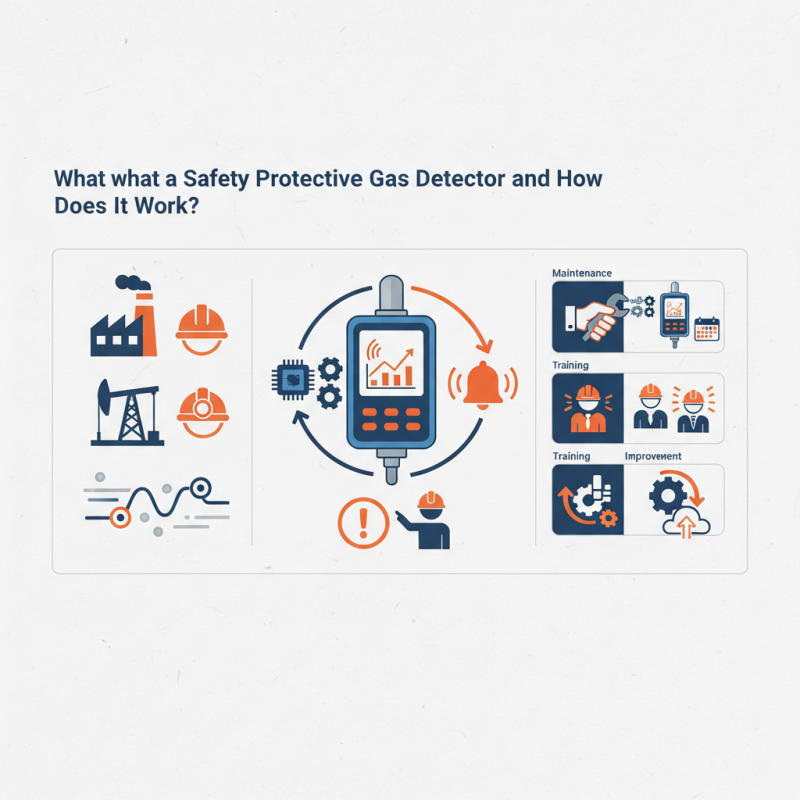
Understanding how a Safety Protective Gas Detector works is vital for ensuring workplace safety. These devices continuously monitor the air for harmful gases. When they detect unsafe levels, they emit alarms to alert personnel. This process is crucial in preventing accidents and ensuring a safe working environment.
However, the effectiveness of these detectors depends on proper maintenance and calibration. Regular checks are essential to ensure they function correctly under all circumstances. Training staff to understand detector signals is equally important. In this way, organizations can minimize risks, but challenges remain. There is always room for improvement in safety protocols and detector technology.
Understanding Safety Protective Gas Detectors: An Overview
Safety protective gas detectors are essential devices used to monitor the presence of hazardous gases in various environments. Understanding how these detectors function can enhance workplace safety significantly. They utilize sensors to detect specific gas concentrations and trigger alarms if levels exceed safe thresholds. This immediate response is critical for protecting lives and minimizing risks.
Different types of gas detectors exist, each designed for particular gases. For example, some detect carbon monoxide, while others sense methane or hydrogen sulfide. Each unit requires regular calibration and maintenance to ensure accuracy. A well-maintained detector can make all the difference, yet not all facilities prioritize this upkeep. Relying on outdated or poorly serviced detectors can lead to catastrophic outcomes.
Training personnel to recognize detector alarms is equally important. Employees should know how to react when a warning is triggered. However, some may overlook the importance of this training, assuming routine checks are sufficient. This lapse in protocol can create vulnerabilities, as alarms are only effective if users understand their significance. Awareness and proper training should go hand in hand to ensure a safe working environment.
Key Components of Gas Detectors and Their Functions
Gas detectors are essential tools for ensuring safety in environments where harmful gases may be present. Understanding their key components helps in grasping how these devices function effectively. One of the primary components is the sensor, which detects specific gases based on changes in electrical currents. These sensors can identify various gases, from carbon monoxide to methane, by responding to their unique properties.
Another vital part is the alarm system. Once the sensor detects a hazardous gas, the alarm triggers, alerting personnel to potential danger. This immediate warning allows for quick action, which is crucial in emergencies. Some detectors also feature a display screen, providing real-time readings of gas concentrations. This information helps in assessing whether actions should be taken.
Tips: Regularly test your gas detector to ensure it functions properly. Training staff on how to react to alarms is essential. Be sure to check the calibration of sensors, as inaccuracies can occur over time. Always have a backup plan in case of an alarm activation. Understanding these aspects of gas detectors enhances their reliability and effectiveness. Proper maintenance can prolong the life of the detector and ensure safety in your environment.
Types of Gases Detected by Safety Protective Gas Detectors
Safety protective gas detectors play a crucial role in various industries. They identify harmful gases in the environment, protecting workers and facilities. Common gases detected by these devices include carbon monoxide, methane, hydrogen sulfide, and ammonia. According to industry reports, exposure to these gases can lead to serious health risks. For instance, carbon monoxide is responsible for over 500 deaths annually in the U.S. alone.
Methane, a significant greenhouse gas, poses risks in oil and gas operations. Hydrogen sulfide, known for its toxicity, occurs naturally in certain industrial processes. About 70% of reported incidents relate to gas leaks and exposure. Gas detectors are vital in preventing these occurrences. However, not all detectors are created equal. Some may lack sensitivity or prompt alert systems.
Regular calibration and maintenance are essential for reliability. A 2022 study found that 25% of gas detectors failed due to inadequate upkeep. It's crucial for organizations to understand the limitations of their devices. Balancing precision and sensitivity is necessary to protect personnel. In environments where flammable or toxic gases are present, the right detection technology makes a significant difference.
The Working Principle of Safety Protective Gas Detectors
Safety protective gas detectors play a crucial role in maintaining a safe environment. These devices are designed to monitor the presence of hazardous gases in the air. Their main function is to alert users before gas concentrations reach dangerous levels. This can prevent accidents and protect personnel in industrial and commercial settings.
The working principle of these detectors is based on sensing technologies. Common types include electrochemical, infrared, and catalytic sensors. Electrochemical sensors react with specific gases, producing a measurable current. Infrared sensors detect gas concentrations by analyzing light absorption. Catalytic sensors monitor gas through temperature changes caused by combustion. Each type of sensor offers unique benefits but also limitations.
While these systems are vital, they are not infallible. Factors like temperature variations and humidity can affect their accuracy. Regular calibration and maintenance are necessary for optimal performance. Users must also be trained to recognize potential false alarms. Understanding these aspects is essential for effective gas monitoring and safety.
Applications and Importance of Gas Detectors in Safety Protocols
Gas detectors play a crucial role in maintaining safety across various industries. They are essential in environments where hazardous gases can leak. By continuously monitoring air quality, these devices help prevent dangerous situations. Their applications are widespread, from industrial settings to confined spaces. Detecting gases early can save lives.
In workplaces, gas detectors contribute significantly to emergency response protocols. They enable quick action when dangerous gases are detected. This can minimize exposure and protect workers. In residential settings, these devices alert occupants about potential leaks, enhancing family safety. Their importance cannot be overstated, especially in chemical plants and mining operations.
Tips: Regular maintenance is key for effective gas detectors. Ensure they are calibrated properly. Check the batteries frequently to avoid failures. Consider training employees on recognizing alarm signals. Familiarity with the equipment can enhance safety in the workplace. Remember, awareness is part of safety.
What is a Safety Protective Gas Detector and How Does It Work? - Applications and Importance of Gas Detectors in Safety Protocols
| Gas Type | Detection Method | Typical Concentration Level Detected (ppm) | Applications | Importance in Safety Protocols |
| Methane (CH4) | Catalytic Bead | 1-5% | Oil and Gas Industry, Wastewater Treatment | Prevent explosions and ensure environmental safety |
| Carbon Monoxide (CO) | Electrochemical | 50-1000 ppm | Residential Safety, Industrial Settings | Detect dangerous levels that can cause health issues or death |
| Hydrogen Sulfide (H2S) | Metal Oxide Semiconductor | 10-20 ppm | Mining, Oil and Gas | Critical for team health and regulatory compliance |
| Ammonia (NH3) | Photoionization | 25-100 ppm | Agriculture, Refrigeration Systems | Ensures safe handling and prevents exposure |