Top 5 Tips for Choosing the Best Paper Laminating Machine?
Choosing the right Paper Laminating Machine can significantly impact your business operations. In recent years, the laminating machine market has seen a robust growth rate of around 5% annually, driven by the increasing demand for efficient document protection and presentation solutions. Experts in the field emphasize the importance of selecting a machine that fits specific needs. John Smith, a renowned laminating technology specialist, states, "Investing in a quality laminating machine can elevate your brand image and protect your documents better."
With various models and features available, making an informed decision is crucial. Factors like speed, laminating thickness, and user-friendliness play a vital role. Many businesses overlook these aspects, leading to operational inefficiencies. A basic error in selection can result in wasted resources and time. Professionals suggest conducting thorough research and comparing different brands and specifications.
Additionally, understanding the specific requirements of your projects can guide you in choosing a more suitable machine. Relying solely on a popular brand does not guarantee the best performance. A more personalized approach, considering your unique needs, can lead to long-term satisfaction. The right Paper Laminating Machine can make a significant difference in the quality and durability of your finished products.
Understanding the Different Types of Laminating Machines Available
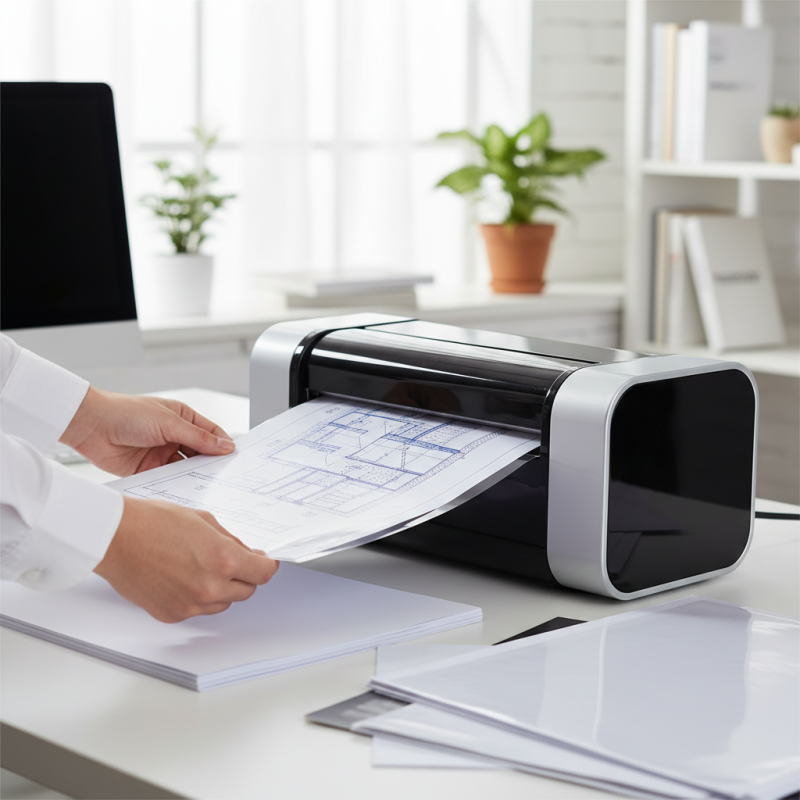
When selecting a laminating machine, understanding the types available is crucial. There are several common types, including thermal and cold laminators. Thermal laminators utilize heat to seal the laminate to the paper. This type is ideal for documents that require a polished finish. Cold laminators, on the other hand, use pressure-sensitive adhesives. They are great for heat-sensitive materials. Each has its pros and cons.
Choosing the right type can be overwhelming. Consider your specific needs. For instance, if you plan to laminate photographs or delicate prints, a cold laminator might be better. Conversely, if you need a durable finish for business documents, a thermal laminator may suit you. Availability of different widths and speeds also influences your choice. Reflect on your project's scale and daily use.
Assessing the usability of each machine is another important factor. Some machines have advanced features such as adjustable speed and temperature controls. These can make the process smoother. Yet, they might also pose challenges for beginners. Simplicity might appeal more to those who value efficiency over complexity. Ultimately, understanding your requirements and capabilities will guide you toward the right decision in your laminating journey.
Comparison of Different Types of Laminating Machines
Key Features to Consider When Selecting a Laminating Machine
When selecting a laminating machine, it's crucial to consider key features that align with your needs. Think about the desired lamination thickness. Thicker pouches offer more protection. This is vital for protecting important documents or photos. The type of items you plan to laminate influences this decision.
Temperature control is another important feature. A machine with adjustable settings can handle various materials effectively. This flexibility prevents damage to your projects. Ensure the machine’s roller design is efficient for even lamination. Uneven heat distribution can lead to bubbles or wrinkles.
Evaluate the speed of the laminating process. A faster machine saves time, especially in busy environments. However, balance speed with the quality of the output. Sometimes, a slower machine ensures better results. Lastly, assess the ease of use. Controls should be intuitive, making operation simple for anyone. Even with advanced machines, complex interfaces can frustrate users. Consider these aspects carefully to find the best option.
Top 5 Tips for Choosing the Best Paper Laminating Machine
| Feature | Description | Importance |
| Laminating Speed | Measured in inches per minute, it indicates how quickly the machine can laminate documents. | High speed is crucial for high-volume tasks. |
| Laminating Thickness | The range of thickness the machine can handle, often measured in mils. | Supports a variety of projects from thin sheets to thicker materials. |
| Temperature Control | The ability to adjust the temperature for different types of laminating films. | Essential for preventing damage to sensitive materials. |
| Auto Shut-off | Feature that turns the machine off after a period of inactivity. | Enhances safety and energy efficiency. |
| User-Friendly Controls | Ease of use in operating settings and adjustments. | Important for reducing the learning curve and improving workflow. |
Evaluating the Size and Capacity for Your Laminating Needs
Choosing the right paper laminating machine begins with understanding your size and capacity needs. Assess the types of documents you wish to laminate. Are they standard letter-size, or do you need larger formats? Knowing this will help narrow down your options effectively.
Consider the workload as well. If you plan on laminating frequently, you'll need a machine with a higher capacity. A basic model might suffice for occasional home use, but a busy office environment demands something more robust. Look for machines that can handle multiple sheets without overheating.
Remember to think about future needs. Will your projects expand over time? Investing in a machine with adaptable features can save you from needing an upgrade too soon. Being aware of your specific requirements can lead you to make informed choices. This ensures you select a machine that truly suits your needs.
Assessing the Cost and Budget for a Laminating Machine Purchase
When evaluating the cost and budget for a paper laminating machine, several factors need to be considered. Begin by defining your needs. How often will you use the machine? High-volume users may require a more expensive, robust model. Pinpointing your frequency of use helps streamline your options.
Next, set a realistic budget. Prices vary greatly, from entry-level options to professional equipment. Research online resources to compare costs effectively. Do not overlook recurring expenses, such as laminating pouches or maintenance fees. A lower upfront price might lead to higher long-term costs. Factor these into your budget planning.
Additionally, consider the machine’s capacity. Smaller models may have limitations, affecting your efficiency. This could lead to frustration during busy periods. It’s vital to balance cost with the machine's long-term value. Look for user reviews and testimonials. They can provide insight into potential issues you might not initially consider. Aim for a machine that fits your current needs but also accommodates future growth.
Reading Reviews and Recommendations for Best Laminating Machines
When selecting a paper laminating machine, reading reviews is essential. Users often share their hands-on experiences, revealing insights that product descriptions might overlook. It's vital to consider both positive and negative comments. A machine that excelled in one area might fall short in another. For instance, durability might receive high praise, while customer service could be criticized.
Expert recommendations also carry weight. Industry professionals often test machines under various conditions. Their insights can help highlight features that can affect performance. Pay attention to their evaluations of speed, temperature control, and ease of use. These factors can significantly impact your laminating projects.
Finally, look for user-friendly designs. If a machine requires extensive adjustments, it may not be ideal for casual use. Some reviewers mention that they struggled with complicated settings. This reflects a need to balance performance with accessibility. A great laminating machine should simplify your workflow, not complicate it.