Top Tips for Choosing the Right Hip Joint Prosthesis?
Choosing the right Hip Joint Prosthesis is a crucial decision for those facing joint replacement surgery. The effectiveness of the prosthesis can greatly influence recovery and overall quality of life. Patients must consider various factors when selecting the appropriate option.
Several types of hip prostheses are available today, each designed for specific needs. It is essential to consult with experienced orthopedic surgeons who can provide insights. Their expertise can guide patients in making informed choices. This process involves understanding the materials used, design features, and long-term outcomes associated with each type.
Patients often overlook post-operative care and rehabilitation. These elements are as vital as choosing the right prosthesis. Recovery speeds can vary among individuals based on their overall health, age, and adherence to rehabilitation protocols. Therefore, taking time to reflect on both the surgical and recovery processes is necessary. Making an informed choice can lead to a more successful journey toward improved mobility and pain relief.
Understanding Different Types of Hip Joint Prostheses Available Today
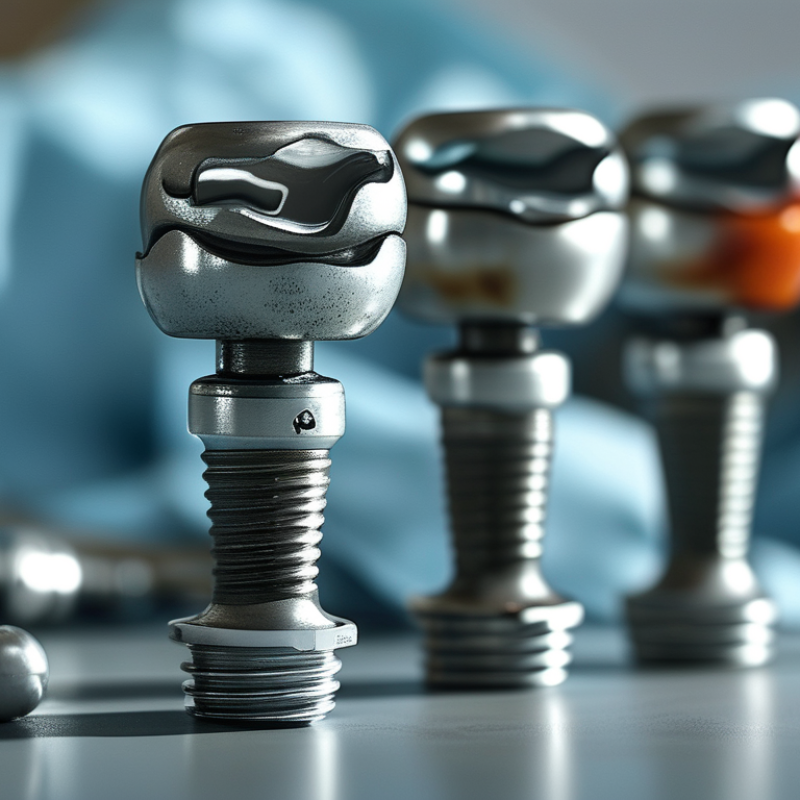
When selecting a hip joint prosthesis, understanding the various types available is crucial. There are generally three main categories: total hip replacements, partial hip replacements, and resurfacing hip implants. Total hip replacements involve replacing the entire joint, while partial replacements focus on the damaged sections. Resurfacing implants preserve more of the natural bone and are often preferred for younger patients.
Data from the American Academy of Orthopaedic Surgeons (AAOS) indicates that over 450,000 total hip replacements are performed annually in the United States alone. Research suggests that material choices, such as ceramic versus metal, can impact longevity and patient satisfaction. For instance, ceramic implants often exhibit lower wear rates, but they are also more brittle, posing potential fracture risks.
Patient-specific factors, including age, activity level, and bone health, significantly influence the decision-making process. Surgical outcomes can vary greatly based on these factors. Discussions with a skilled orthopedic surgeon can enhance understanding of the different options available. There’s no one-size-fits-all solution for hip prostheses, and individual needs must guide the decision.
Key Factors Influencing the Selection of Hip Prostheses for Patients
When selecting a hip joint prosthesis, several key factors come into play, significantly impacting patient outcomes. According to a 2022 report by the American Academy of Orthopaedic Surgeons, more than 450,000 total hip replacements are performed annually in the United States. This statistic highlights the importance of choosing the right prosthesis.
Patient age, activity level, and specific medical conditions are crucial. Younger patients may require a more durable option, while older patients might prioritize comfort. A study published in the Journal of Arthroplasty indicates that 70% of patients aged 50 and under prefer ceramic-on-ceramic prostheses due to their longevity. However, the risk of a higher wear rate in certain materials can’t be ignored. This consideration often leads to difficult decisions.
Surgeons also weigh the fixation method: cemented versus cementless. A 2021 systematic review found varied success rates, with cementless methods showing around 90% survival at ten years in active populations. But, the potential for complications increases. Making the right choice requires a careful balance of these factors. Each patient's unique situation must drive the decision-making process, ensuring the best possible outcome in hip replacement surgeries.
Analyzing Patient Outcomes: Success Rates and Longevity of Hip Implants
Choosing the right hip joint prosthesis is crucial for successful outcomes. Many patients desire long-lasting relief from pain and improved mobility. However, the success rates of hip implants can vary significantly. Factors like age, activity level, and overall health play pivotal roles. A younger, more active person might face different challenges compared to an older patient with limited mobility.
Studies indicate that hip implants generally have a high success rate, with many patients reporting significant improvement. Yet, it's essential to consider potential complications. Some patients experience issues like dislocation or implant loosening over time. The longevity of a hip implant often depends on adherence to rehabilitation protocols and understanding the limitations post-surgery. Regular follow-ups with healthcare providers can help identify emerging issues early.
Feeling informed about your choices can help manage expectations. Not every implant will last a lifetime, and some patients may require revisions. It's critical to discuss these possibilities with your healthcare team. Engaging in shared decision-making promotes trust and clarity regarding what to expect from your hip prosthesis journey.
Top Tips for Choosing the Right Hip Joint Prosthesis
This bar chart illustrates the success rates and longevity of different types of hip implants based on recent patient outcomes.
The Role of Material Composition in Hip Joint Prosthesis Durability
Choosing the right material for a hip joint prosthesis is crucial for long-term success. Manufacturers often use metals, ceramics, and polymers. Each material has its advantages and shortcomings. Metal, for instance, provides strength but may lead to wear particles. Ceramics offer great durability but can be brittle.
Understanding the wear patterns can help guide your choice. For example, metal-on-polyethylene designs have been common. However, advancements show that ceramic-on-ceramic options increasingly reduce wear. The choice of material can affect both mobility and lifespan.
Patient outcomes hinge on personalized solutions. Factors like age and activity level matter significantly. A younger, active patient might prioritize durability over cost. Alternatively, older patients may seek a balance of comfort and longevity. Always discuss preferences and concerns with your healthcare provider. This conversation is essential for making an informed decision.
Post-Operative Considerations: Rehabilitation and Activity Levels After Surgery
Post-operative recovery after hip joint surgery is crucial for regaining mobility. Rehabilitation programs often focus on restoring strength and flexibility in the hip region. These programs typically include physical therapy sessions that involve specific exercises aimed at enhancing joint function. Patients may feel frustrated at times during this process, especially if progress seems slow. It’s important to remember that recovery takes time; pushing too hard can lead to setbacks.
Activity levels after surgery should be gradually increased based on comfort and ability. Initially, patients might rely on assistive devices like crutches or walkers. Slowly, with professional guidance, walking can become more natural. Low-impact activities like swimming or cycling are often encouraged as they place less stress on the joint. Adjusting to new activity levels may require patience and continual self-assessment. Listening to your body is vital; ignoring pain could hinder recovery. A supportive network, including family and health professionals, is essential during this transition. It can help motivate patients when challenges arise.
Top Tips for Choosing the Right Hip Joint Prosthesis
| Criteria | Considerations | Post-Operative Rehabilitation | Activity Levels |
| Material | Consider biocompatibility and wear resistance | Focus on physical therapy to regain mobility | Light activities recommended initially |
| Design | Assess anatomical fit and stability | Gradual increase in weight-bearing exercises | Moderate activities like walking allowed after 6 weeks |
| Surgeon's Experience | Consider the surgeon’s track record with specific prostheses | Regular follow-ups to monitor progress | Full activity integration by 3 months |
| Patient Factors | Individual health conditions and lifestyle | Tailored rehabilitation plan based on needs | Return to normal activities within 6 months |