Top 10 Tips for Choosing Stainless Steel Flange for Your Project?
Choosing the right Stainless Steel Flange for your project can be challenging. With a variety of options available, making the best decision requires careful consideration. Stainless steel flanges are essential components in piping systems, ensuring durability and reliability. Understanding the unique properties of stainless steel is vital. This material offers resistance to corrosion and can withstand high temperatures, making it a favorite in many industries.
However, not all stainless steel flanges are created equal. Factors such as size, pressure rating, and design type must be evaluated. Each project has different requirements, which can complicate the selection process. It's crucial to reflect on specific needs rather than defaulting to standard choices. Consulting professionals can help clarify your options. Their expertise is invaluable when navigating the complexities of stainless steel flanges.
Ultimately, the right flange choice can influence project success. Make informed decisions rather than rushing into selections. Assessing the fit for your project's unique demands is an ongoing process, and mistakes can be costly. Investing time in understanding the nuances of stainless steel flanges will lead to better outcomes.
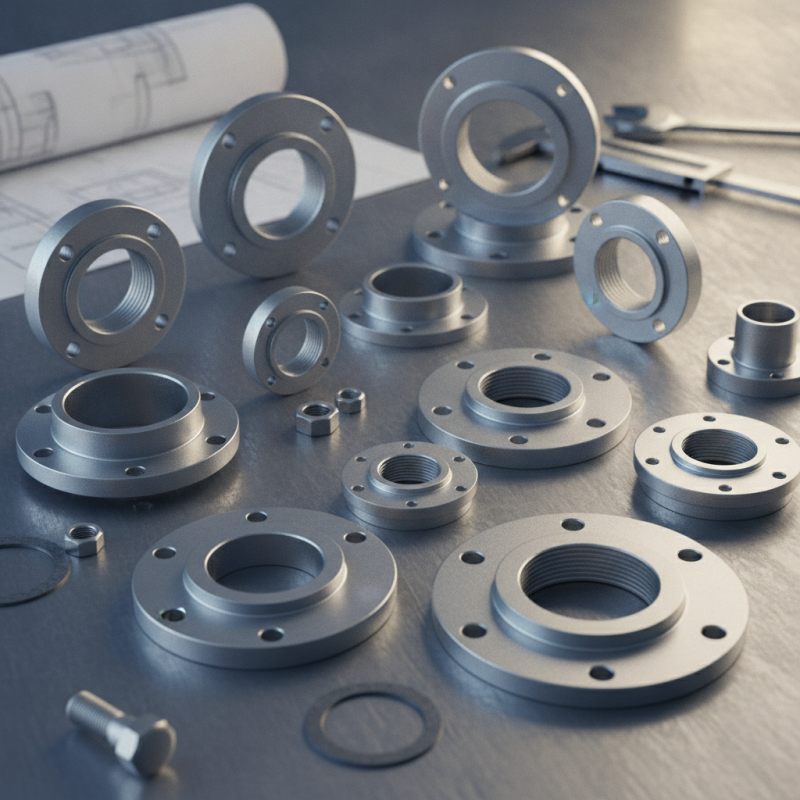
Understanding the Different Types of Stainless Steel Flanges
When selecting stainless steel flanges, understanding the different types is critical. The most common types include weld neck, slip-on, and blind flanges. Each type serves unique purposes, shaped by design and material properties. For instance, weld neck flanges provide strength and are often used in high-pressure systems.
Different grades of stainless steel also play a vital role in flange selection. A 316 stainless steel flange offers excellent corrosion resistance, suitable for harsh environments, according to a report from the International Stainless Steel Forum. This versatility makes it popular in marine and chemical industries. Conversely, 304 stainless steel is more affordable and adequate for less demanding applications. However, it might not withstand extreme conditions.
Consider the industry-specific requirements before making a choice. A project focused on food processing may require a smoother finish and tighter tolerances. In contrast, a construction project could prioritize strength over finish. Flange selection can significantly influence system performance. Therefore, understanding material properties ensures long-term reliability. The wrong choice can lead to maintenance challenges or even failure.
Stainless Steel Flange Types Comparison
Evaluating the Specifications for Your Project Needs
When evaluating specifications for stainless steel flanges, the first consideration is the material grade. Different grades offer varying levels of strength, corrosion resistance, and fabrication ease. For instance, 304 and 316 grades are popular, with 316 providing better resistance to pitting. Another vital factor is the flange type. Options include slip-on, welded, and threaded flanges, each suited for specific applications. Choosing the right type can significantly impact your project's long-term performance.
Next, consider the size and pressure rating. Flanges come in various diameters and thicknesses, aligning with different piping systems. Ensure that the flange's pressure rating matches the operating conditions to prevent leaks or failures. It’s also crucial to reflect on the gaskets and bolting methods that will be used. Different materials are suitable for various temperatures and pressures. Confirm that the selected components are compatible with the flange material and your system's specifications. Taking these details into account leads to more reliable project outcomes, though always anticipate and prepare for potential adjustments.
Considering the Operating Conditions and Environment
When selecting stainless steel flanges, understanding the operating conditions and environment is crucial. Factors like temperature, pressure, and exposure to chemicals can significantly impact flange performance. According to a report by the American Society of Mechanical Engineers, almost 30% of flange failures are attributed to improper material selection. Thus, knowing the specific operating environment helps mitigate risks.
For instance, high temperatures can lead to thermal expansion, affecting the integrity of the flange. If a flange is exposed to corrosive substances, materials like 316 stainless steel or duplex stainless steel may be necessary. These materials offer superior resistance against pitting and crevice corrosion, ensuring reliability and durability. Data from the National Association of Corrosion Engineers suggests that corrosion accounts for over $300 billion annually in potential damages. Thus, assessing the environment in which the flange operates is not just advisable; it's essential.
Take into consideration the presence of moisture or salt. These factors can accelerate corrosion processes. Additionally, the pressure ratings of flanges must align with the operational specifications. Misjudging these can lead to catastrophic failures. In a significant number of cases, engineers have reported difficulties in sourcing flanges that can withstand both high pressure and corrosive environments. Continuous assessment of environmental factors is vital for ensuring optimal performance.
Assessing Quality Standards and Certifications
When choosing a stainless steel flange, assessing quality standards and certifications is crucial. Not all stainless steel is created equal. Different grades offer varying corrosion resistances, strengths, and applications. For instance, ASTM A182 outlines specifications for forged stainless steel flanges, which are essential for reliability in high-pressure systems.
It's vital to look for certifications such as ISO 9001 and ASME standards. These demonstrate a commitment to quality management systems. A recent report by the International Stainless Steel Forum states that proper certification can reduce failures in critical applications by up to 30%.
Tip: Focus on the flange’s grade. For example, 316 stainless steel is often preferred for its excellent corrosion resistance in marine environments.
Certification also affects the expected lifespan of the flange. A flange made from a poorly certified product may fail prematurely. It is important to verify that the manufacturer adheres to recognized quality standards.
Tip: Always request quality assurance documentation. This simple step can save time and cost in the long run.
Comparing Cost vs. Value for Your Budget Constraints
When selecting stainless steel flanges, cost and value play crucial roles. According to a report by the American Iron and Steel Institute, stainless steel prices can fluctuate significantly. This means that while a cheaper option might seem appealing, it's essential to consider long-term durability and maintenance costs. Investing in a higher-quality flange often leads to fewer failures and replacements over time.
Additionally, a study from the Metalworking Industry Association highlights that poorly made flanges can lead to system failures, resulting in unexpected expenses. The initial savings on a lower-cost flange may pale in comparison to the potential costs of damages and downtime. The life cycle cost analysis should be an integral part of your decision-making process. This analysis evaluates not just the purchase price but also long-term performance and reliability.
Evaluate the specific requirements of your project. Factors like pressure ratings and material compatibility can significantly impact your choice. Misalignment with project needs may create issues that compromise safety and efficiency. Understanding these dynamics can help you balance cost with the true value of stainless steel flanges in your application.