
Top 10 Water Cooler Machines for Offices in 2026

A busy office reveals the limits of a water cooler quickly: the queue grows after meetings, the drip tray fills, and an empty bottle can interrupt a workday. Choosing a Water Cooler Machine is about more than getting cold water. Teams may also need hot water for tea, touchless dispensing, or a bottleless connection that reduces storage demands. The right fit depends on headcount, available plumbing, daily use, and who will handle cleaning.

This 2026 guide compares ten office options by practical features, including dispensing temperature, filtration, capacity, footprint, and routine upkeep. Some models suit a small break room; others are designed for heavier use across shared floors. A compact unit may save space but struggle during peak periods. A feature-rich machine may sound appealing, yet add maintenance tasks the office is not prepared to manage. Those trade-offs matter.

Specifications can change, and manufacturer claims do not replace checking current product details. Before choosing, confirm filter replacement intervals, installation needs, warranty terms, and applicable safety certifications for your market. Also consider the simple things: Can a staff member refill or service it without moving furniture? Is the drip tray easy to remove? Small details count. This ranking offers a useful starting point, not a universal verdict; actual office needs vary, and some comparisons remain imperfect when brands publish different test conditions.
Top 10 Water Cooler Machines for Offices in 2026

How Office Water Cooler Machines Support Workplace Hydration

A water cooler can make hydration easier when it sits where people already pause: near a break room, meeting area, or shared kitchen. Clear cups and a visible refill point reduce the small friction of getting a drink. That matters during busy shifts, when employees may stay at their desks longer than intended. Easy access does not guarantee anyone will drink more, but it makes the choice simpler.

The right office machine should match daily use. A small team may need only a compact dispenser, while a busy floor benefits from faster dispensing and a larger supply. Chilled water can be welcome after a walk across a warm office; room-temperature options suit people who prefer them. Look for controls that are easy to understand, a drip tray that is simple to empty, and a setup that does not block foot traffic. Small details matter.

Hygiene and upkeep shape whether the cooler remains useful. Follow the manufacturer’s cleaning schedule, keep the surrounding counter dry, and assign responsibility for routine checks. A machine that looks neglected can discourage use, even if it works perfectly. There is also an imperfect truth: placing a cooler nearby will not fix every hydration habit. Gentle reminders and convenient refill breaks may help, but employees have different routines and preferences. A well-maintained machine supports access; it should not become another obstacle or an unwelcome rule.

Workplace Hydration: Daily Water Adequate Intake

Water cooler machines make drinking water readily available at work. These reference values are adequate intakes for total water from all beverages and food—not targets for plain drinking water alone. Source: U.S. National Academies, Dietary Reference Intakes (2005).

Key Features to Compare When Choosing an Office Water Cooler

When comparing office water coolers, start with daily demand, not appearance. The International Bottled Water Association’s 2022 industry statistics report estimated U.S. consumption at 47.3 gallons per person. That figure cannot predict one office’s use, but it highlights why capacity matters. Count staff, visitors, and peak-hour queues. A small tank may mean repeated refills; an oversized unit can waste space. Check whether bottle replacement or a direct water connection fits your layout.

Energy use deserves a close look. ENERGY STAR reports that certified water coolers are about 30% more efficient than standard models. Compare the unit’s energy label, hot-water settings, and standby behavior. A constantly heated tank may be convenient, but it can draw power overnight. Small detail. Ask for operating costs, not just purchase price; estimates depend on local electricity rates and actual use.

Water treatment and upkeep affect daily reliability. Review filter type, replacement intervals, service access, and the cost of consumables. If a model claims contaminant reduction, verify the specific claim against its independent certification, rather than relying on vague “purified” wording. For plumbed units, check inlet requirements, drainage, and installation access before ordering. The drip tray matters, too; a shallow one can overflow beside a busy break-room counter. I would not assume every office needs hot water—sometimes that feature adds complexity without much use.

Types of Water Cooler Machines Available for Offices in 2026

Office water coolers in 2026 come in several formats, and the right choice depends on plumbing, headcount, and daily use. Bottled dispensers use replaceable jugs, making them practical where a water line is unavailable. They are simple to install, but staff must store full bottles and lift them onto the unit. That task gets old.

Point-of-use, or bottleless, coolers connect to a building’s cold-water supply and filter water at the machine. They reduce jug deliveries and storage, but need a nearby water line, suitable drainage, and routine filter changes. Check filter schedules and service access before choosing one. Countertop models take less floor space and can suit small teams, though output may not keep pace with a busy break room. Capacity matters.

Temperature options also vary. Basic units dispense chilled and room-temperature water; hot-water models help with tea or instant soup, while some machines offer sparkling water. Hot taps need clear labeling and sensible placement in shared areas. A machine can look ideal in a catalog yet feel slow at 10 a.m. Observe peak demand, cup sizes, and refill habits for a week before deciding. Those notes may be imperfect, but useful.

Top 10 Office Water Cooler Machines in 2026: Features and Uses

Office water coolers differ in how they fit a workplace, not just in temperature settings.

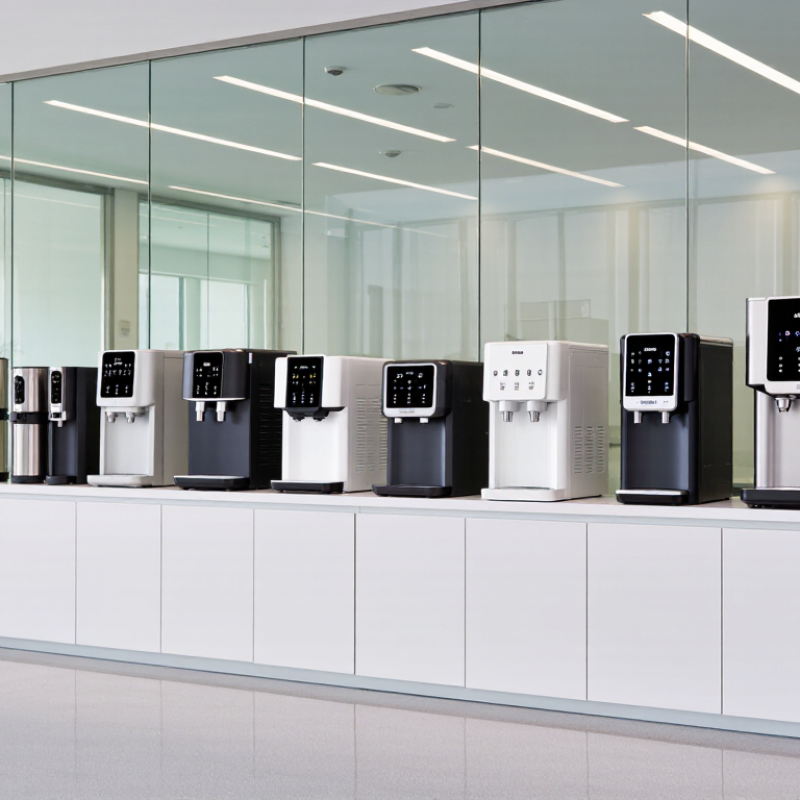
A top-loading bottled unit makes the water level easy to see, while a bottom-loading model hides the bottle and reduces lifting. Bottleless floor units connect to a water line and use replaceable filters. Compact countertop bottleless coolers suit small kitchens with limited floor space. Countertop bottled models work where plumbing access is difficult. Check this carefully.

Among the other useful options, hot-and-cold units serve tea drinkers and people who prefer chilled water. Cold-and-room-temperature models avoid a hot-water tap in offices that rarely need one. Three-temperature dispensers offer hot, cold, and ambient water, but extra controls can mean more cleaning. High-capacity floor units help busy teams avoid frequent refills. Touch-free dispensers may reduce shared contact, though sensors need regular wiping. A common buying mistake is choosing by features alone. Estimate daily use, check installation needs, and confirm filter or bottle costs before deciding. Ask how easily the drip tray lifts out; small spills can leave a sticky edge by Friday.

Installation, Cleaning, and Maintenance of Office Water Coolers

Top 10 Water Cooler Machines for Offices in 2026

Installation, Cleaning, and Maintenance of Office Water Coolers

A dependable office cooler needs routine care, not just emergency repairs. Place it on a level, washable floor, away from sunlight and heat-producing equipment. Leave room for bottle changes, drainage, and servicing. For plumbed units, have a qualified installer check the shutoff valve, water pressure, and connections for leaks. The CDC estimates 8,000–18,000 U.S. hospitalizations from Legionnaires’ disease each year. This figure concerns broader water-system risks, not coolers specifically, but it underscores the value of good hygiene.

Tips: Follow the manual and set a recurring cleaning date. Wash your hands before handling bottles. Clean the dispensing area and drip tray with products approved for the unit. Rinse as directed. Small details matter.

Unplug the cooler during cleaning if the manufacturer advises it, and keep electrical parts dry. Sanitize reservoirs and taps at the recommended interval. Replace filters on schedule; overdue filters can affect water flow and taste.

Each week, check for damp flooring, cracked tubing, slow drainage, or unusual odors. Record service dates and filter changes, especially in shared kitchens. ASHRAE Standard 188 provides guidance for building water management; coolers still need model-specific care.

A missed drip tray is easy to overlook. Review the routine after staff changes or long periods of low use.