Top 10 Hydraulic Pumps for Efficient Industrial Use?
In the world of industrial machinery, Hydraulic Pumps play a crucial role in enhancing efficiency. Renowned hydraulic expert, Dr. Emily Carter, once stated, "Selecting the right hydraulic pump can make or break your operational success." Her insight emphasizes the importance of choosing the best equipment for specific needs.
Hydraulic pumps are not merely components; they are the heart of many systems. They provide the necessary force for machinery to operate smoothly. For industries like construction and manufacturing, this reliability is indispensable. However, not all hydraulic pumps are created equal. Factors such as pump type, efficiency, and maintenance needs are vital to consider.
Exploring the top hydraulic pumps can lead to substantial improvements. Efficient pumps can reduce energy costs and downtime. Yet, selecting the wrong model can result in inefficiencies. Evaluating each option closely and innovating with technology can reveal areas for improvement. This process requires a balance between expertise and practical application.
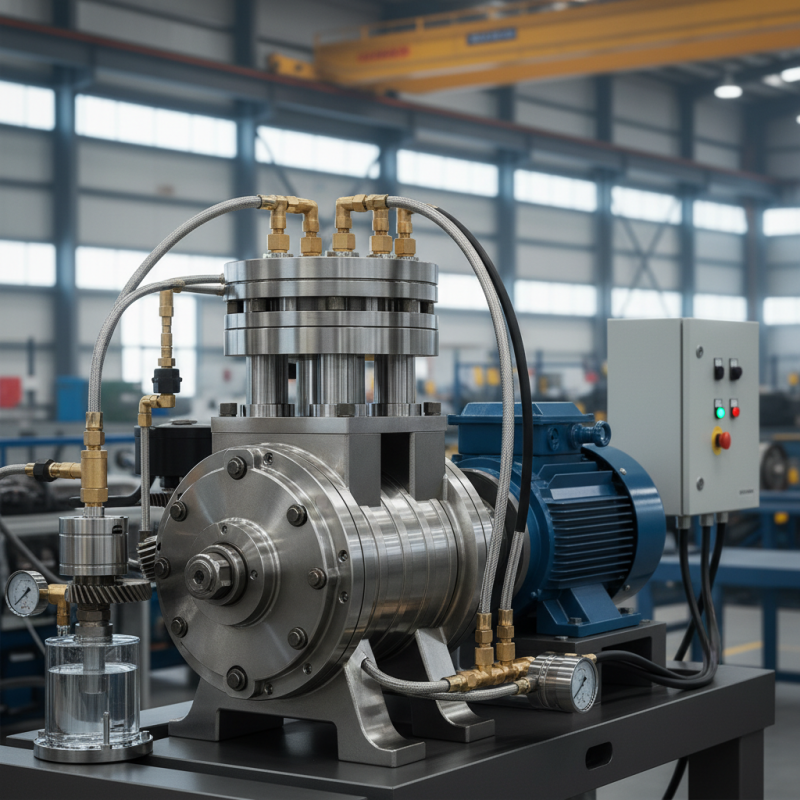
Introduction to Hydraulic Pumps and Their Importance in Industry
Hydraulic pumps play a crucial role in various industrial applications. These devices convert mechanical energy into hydraulic energy, facilitating the movement of heavy machinery. Their efficiency directly impacts production rates and equipment lifespan. Working with hydraulic systems requires a good understanding of how these pumps operate. It involves knowledge of materials, pressure ratings, and flow rates.
Many industries rely heavily on these pumps. They are used in construction, manufacturing, and agriculture. For example, hydraulic lifts in warehouses or mobile cranes demonstrate their significance. Despite their efficiency, hydraulic systems can be prone to failures. Maintenance is essential. Regular checks can prevent leaks and pressure drops, which might lead to significant downtime.
Selecting the right hydraulic pump involves careful consideration. Each application has unique demands, impacting the pump type needed. Not all pumps are created equal. Understanding specifications is key to ensuring reliability and performance. Industry professionals must continuously evaluate their systems. Failing to do so can result in costly inefficiencies. Identifying potential issues before they escalate is vital for long-term success.
Top 10 Hydraulic Pumps for Efficient Industrial Use
| Pump Type | Flow Rate (L/min) | Pressure (bar) | Efficiency (%) | Weight (kg) |
| Gear Pump | 30 | 250 | 85 | 15 |
| Piston Pump | 50 | 300 | 90 | 20 |
| Vane Pump | 40 | 200 | 80 | 12 |
| Diaphragm Pump | 25 | 150 | 75 | 10 |
| Scroll Pump | 15 | 100 | 70 | 8 |
| Axial Piston Pump | 60 | 350 | 92 | 18 |
| Radial Piston Pump | 55 | 320 | 88 | 22 |
| Hydraulic Screw Pump | 45 | 280 | 85 | 19 |
| Lobe Pump | 35 | 220 | 79 | 14 |
| Centrifugal Pump | 70 | 180 | 76 | 11 |
Factors to Consider When Choosing Hydraulic Pumps for Industrial Applications
Choosing the right hydraulic pump is vital for any industrial setup. Start by assessing the pump's flow rate. Different applications demand different flow rates. A pump that is too powerful could waste energy, while one that’s too weak might not perform effectively. Evaluate your specific requirements carefully.
Another significant factor is the pump's pressure capacity. This affects how well the pump will work under heavy loads. Ensure the hydraulic pump can handle the maximum pressure of your application. Additionally, consider the materials used in the pump. They must resist corrosion and wear over time.
Installation and maintenance are also crucial. Some pumps demand more frequent servicing. Look for designs that simplify this process. Think about the size and compatibility with your existing systems. A poorly matched pump can lead to inefficiencies and costly adjustments. While researching options, gather insights from reliable sources and consult with experts if needed.
Overview of the Top 10 Hydraulic Pumps for Efficient Industrial Use
When selecting hydraulic pumps for industrial use, efficiency is key. The right pump can significantly impact productivity and reduce energy costs. Among the top options, you'll find various designs suited for different applications. For example, gear pumps offer high pressure and volume, while piston pumps excel in delivering consistent power. Manufacturers often look for reliability and ease of maintenance in these units.
Understanding specifications is crucial. Hydraulic pumps vary in displacement, pressure ratings, and flow capacity. Knowing your system's requirements helps in making informed choices. Still, every model has its limitations. Some may fail under high demand, while others struggle with viscosity issues. Regular monitoring can reveal potential inefficiencies or failures in the system. This reflection can lead to better decision-making in future purchases.
Industry experts recommend considering not just the pump itself, but the entire hydraulic system. Compatibility is essential for optimal performance. Using the wrong pump can lead to increased wear and tear. It’s easy to overlook these details in the purchasing process. Taking the time to evaluate all components will yield long-term benefits. Ultimately, a thoughtful approach can enhance operational efficiency and reduce unforeseen costs.
Comparative Analysis of Performance and Reliability of Selected Pumps
When selecting hydraulic pumps for industrial applications, performance and reliability are crucial. A recent report indicates that the overall efficiency of hydraulic systems can improve by up to 20% with the right pump choice. This highlights the importance of understanding performance metrics. Factors such as flow rate, pressure rating, and energy consumption significantly affect operational efficiency.
Reliability is equally vital in pump selection. Data shows that approximately 30% of industrial downtime can be attributed to pump failures. Regular maintenance and monitoring can mitigate this risk. Moreover, certain designs offer inherent advantages. For example, gear pumps are known for durability, while piston pumps excel in high-pressure scenarios. Understanding the strengths and weaknesses of each design is essential for making informed choices.
However, it's not just about finding the "best" pump. Each industrial setting is unique, so assessing compatibility with existing systems is necessary. As many as 15% of facilities overlook this aspect. Consequently, a pump that performs well in one environment may not yield the same results elsewhere. Therefore, thorough testing and evaluation remain critical components of the selection process.
Maintenance Tips for Maximizing the Efficiency of Hydraulic Pumps
Maintaining hydraulic pumps is crucial for their optimal performance in industrial settings. Regular inspections help identify potential issues early. Check for leaks, unusual noises, or vibrations that signal potential failure. Keeping the hydraulic fluid clean is essential. Contaminated fluid can lead to poor performance and damage. Regularly change the fluid according to manufacturer guidelines to ensure longevity.
Pay attention to the seals and hoses. Over time, they can wear out or become brittle. Replacing them before they fail can save time and resources. Ensure proper alignment during installation to avoid additional stress on the pump. This often requires careful measurements and adjustments.
It's easy to overlook small details in maintenance. However, routine checks and a proactive approach can enhance efficiency. Documenting maintenance activities helps track performance trends. Reflect on these practices to improve reliability. Small adjustments can yield significant benefits, ensuring your hydraulic pumps operate efficiently and effectively.