What Are the Top Types of PTFE Lined Valves?
PTFE lined valves help isolate corrosive or highly reactive fluids from metal valve bodies. Their performance depends on more than the lining material. Valve type, pressure, temperature, operating frequency, and fluid compatibility all matter. A valve that works well in a chemical transfer line may not suit a high-cycle process. Small details matter.
Roy Plunkett, the chemist credited with discovering PTFE, is often quoted as saying, “I didn’t invent Teflon; I discovered it.” His remark concerns the material, not valve selection, but it points to a practical truth: PTFE’s useful properties need careful application. In lined valves, the lining must remain intact while the valve opens, closes, and withstands process conditions.
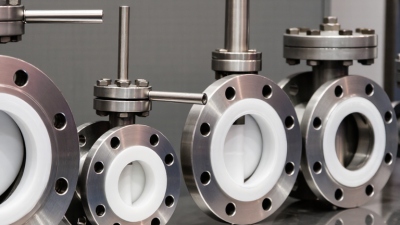
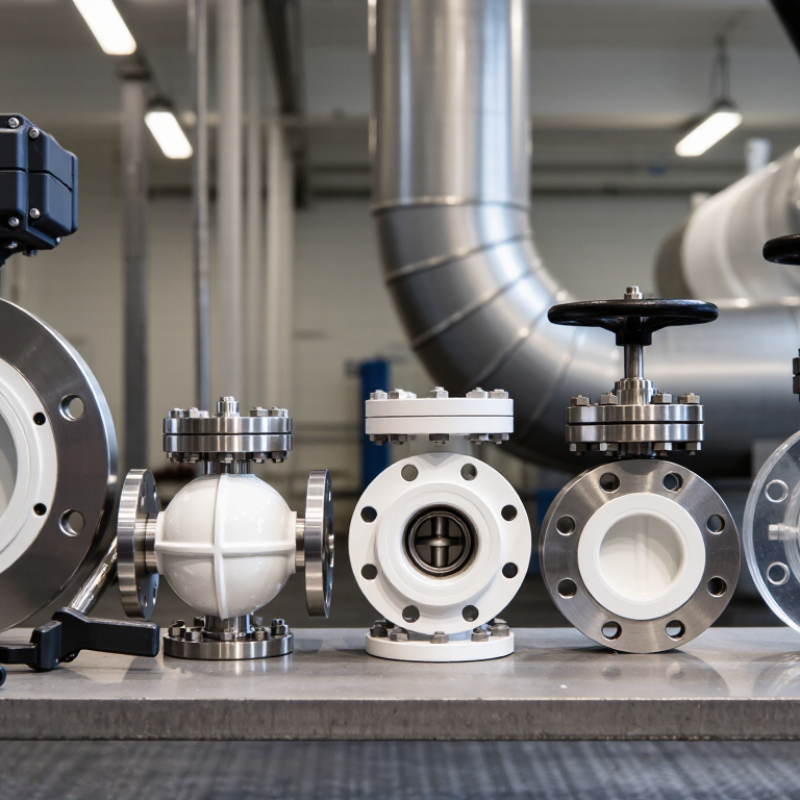
This guide compares common options, including butterfly, ball, plug, diaphragm, and check valves. Butterfly valves often suit larger pipelines where compact installation matters. Ball valves can provide direct shutoff, while plug designs may fit particular flow-control needs. Diaphragm and check valves serve different duties, and neither is a universal answer. Not quite. A material name alone cannot establish suitability. Buyers should confirm operating limits, lining construction, connection style, and manufacturer test data for the actual service. Some selections look obvious on paper, then prove less so in the field. That is worth admitting. The sections ahead explain where each type can fit, what trade-offs to inspect, and which questions help narrow the choice safely.
PTFE-Lined Ball Valves and Their Quarter-Turn Operation
A PTFE-lined ball valve opens with a 90-degree turn: the handle rotates a bored ball until its passage aligns with the pipe. One quick sweep. This simple movement suits frequent isolation, where operators need a clear open-or-closed position. The PTFE liner and seats help resist many corrosive fluids and reduce sticking, but compatibility depends on the chemical, temperature, pressure, and exposure time. PTFE can deform under sustained load, so seat design and operating conditions matter.
Grand View Research’s 2024 Industrial Valves Market report estimates the global market at about US$79 billion in 2023, with continued growth forecast through 2030. That figure covers industrial valves broadly, not PTFE-lined ball valves alone; it signals demand, not proof that one valve type fits every service. In practice, check the valve’s pressure-temperature limits and the fluid’s compatibility data before specifying it. A quarter-turn feels decisive. It is not a magic fix: abrasive solids, repeated cycling, or unsuitable installation can still shorten service life. A small leak at the stem deserves attention, too.
PTFE-Lined Butterfly Valves for Compact Flow Control
PTFE-lined butterfly valves suit compact flow control where chemical compatibility and limited installation space matter. Their quarter-turn disc needs less room than many multi-turn valve arrangements, making them practical on crowded process skids and short pipe runs. The disc remains in the flow path, though, so it can create pressure loss and may not suit every throttling duty. Check the valve’s pressure, temperature, and chemical limits against actual operating conditions, not just the fluid name.
The U.S. Department of Energy’s 2006 sourcebook, Improving Pumping System Performance, reports that pump-system improvements can reduce energy use by 20–50% in some applications. A valve alone will not deliver those savings, but proper sizing helps avoid needless restriction and excessive pump demand. That matters. In the field, confirm disc clearance, liner condition, and actuator torque, especially where deposits or frequent cycling are expected. PTFE resists many corrosive media, yet temperature limits and abrasive solids can shorten service life. For slurries, compactness may be a poor trade. Check the manufacturer’s published operating envelope and test compatibility with the process fluid before specifying the valve.
PTFE-Lined Plug Valves for Corrosive-Service Isolation
PTFE-lined plug valves are used for on-off isolation when corrosive liquids would attack exposed metal surfaces. A tapered or cylindrical plug turns inside a lined body, opening or closing the flow path with a short rotation. The lining helps separate the process fluid from the valve body. It does not make every service suitable. Check chemical compatibility, temperature, pressure, cycling frequency, and vacuum conditions against the valve’s documented limits. A slurry can also wear surfaces differently from a clean acid stream. Small details matter.
The NACE International IMPACT study estimated global corrosion costs at US$2.5 trillion annually, or 3.4% of global GDP, based on 2013 data. That figure covers many industries, not valves alone, but it shows why corrosion control deserves careful engineering. For a lined plug valve, inspect the plug, stem seals, and lining transitions for damage or trapped material. Confirm that the lining material suits the exact concentration and operating temperature; generic chemical charts are only a starting point. That matters. A tidy specification can still miss startup temperature swings or frequent operation. Review those conditions with the process and maintenance teams before selecting the valve.
What Are the Top Types of PTFE-Lined Valves?
PTFE-lined plug valves are well suited to on-off isolation in corrosive service, with a quarter-turn design and a lined flow path. This qualitative comparison rates general isolation suitability from 1 (lower) to 5 (higher); actual performance depends on the fluid, pressure, temperature, valve design, and operating conditions.
PTFE-Lined Gate Valves for Straight-Through Shutoff
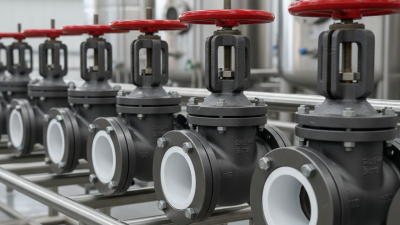
PTFE-lined gate valves are designed to isolate flow with a straight-through passage when fully open. The low-obstruction path can help limit pressure loss in pipelines carrying corrosive liquids. Inside, a PTFE lining separates the process fluid from the valve body. The gate moves across the flow path to close the valve. A clear, direct action.
These valves suit on-off service, not routine throttling. Leaving the gate partly open can expose sealing surfaces to uneven flow and wear. PTFE also has temperature and pressure limits that depend on valve design and operating conditions. Check chemical compatibility at the actual concentration and temperature, rather than relying on a generic compatibility chart alone. Small differences matter.
Before installation, confirm the flow direction and the manufacturer’s pressure-temperature data. Keep flange faces aligned; uneven bolt loading may distort a lined component or compromise sealing. In service, watch for leakage, stiff operation, or changes in closing effort. A gate that feels tight is not automatically a faulty gate, but forcing it can make damage worse. I would also check whether solids could collect near the closure area, since the straight-through layout does not guarantee trouble-free handling of every slurry. The lining protects the wetted body, not every valve component.
PTFE-Lined Globe Valves for Flow Regulation
PTFE-lined globe valves suit corrosive services that need adjustable flow, not merely on-off control. Their globe-shaped flow path lets a plug move toward or away from a seat, allowing gradual changes in flow. Grand View Research’s Industrial Valves Market report valued the global market at US$78.2 billion in 2023. It projected a 5.3% compound annual growth rate from 2024 to 2030. That figure is broad. It covers industrial valves overall, not PTFE-lined globe valves alone.
In operation, a small stem adjustment can help stabilize flow through a dosing line or heat exchanger. The trade-off is pressure loss: fluid changes direction inside the valve, unlike in many straight-through designs. PTFE resists many chemicals, but its liner can deform under sustained load or temperature cycling. Details matter. Check the valve’s pressure-temperature limits, liner compatibility, and actuator sizing against actual process conditions. Do not rely on a polymer’s headline temperature limit as the valve’s operating rating. For abrasive slurries or frequent throttling, inspect the liner and seat regularly; even a chemically suitable lining may wear faster than expected.